Overview
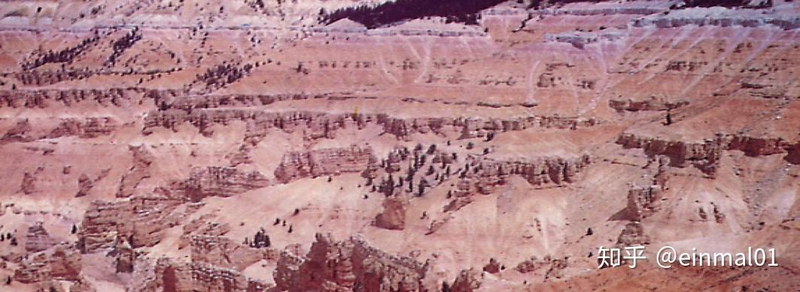
Yellow soil is a special fourth-class sediment in arid, semi-arid areas, the formation of which is associated with the effect of wind. Winds, like rivers, groundwater and glaciers, are another important geological force, capable of erosion, removal and sedimentation. The geological role of the wind is prominent in arid climatic areas. Yellow soil was a special earth-shaped pile formed during the fourth century. The particle size is between clay and fine sand, it is light yellow or tan, it is multi-pore, it is invisible, it is vertically developed, it is rich in carbonate and it is wet。
The yellow earth is widely distributed in the world, particularly on the eurasian continent, from the eastern atlantic to the western pacific, in intermittent bands. Asia has the most extensive yellow earth, with the north at about 74° n and the south at around 29. 5° n (in the area of the river and the river). The northernmost part of europe is 62° north, the southern part is about 40° north and, beginning with the former european part of the soviet union, is becoming narrower westward。
Sedimentary weather phenomena
General characteristics of the yellow earth
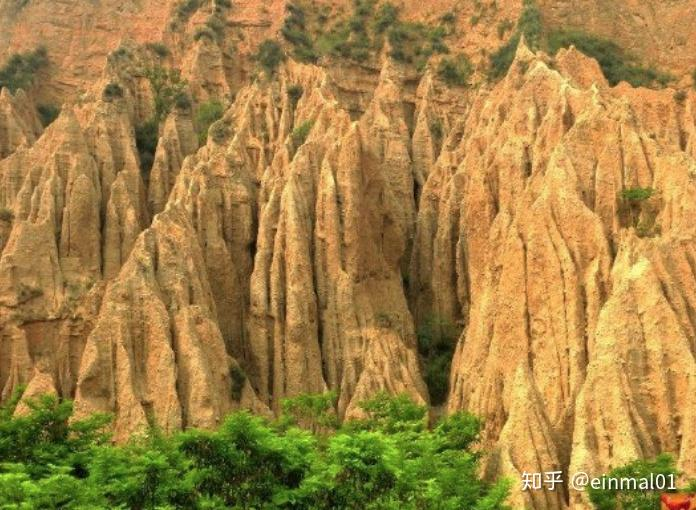
Yellows consist mainly of dust and contain a certain amount of fine sand and slime. Colours are yellow and gray or brown. The mass is uniform, unsettled (e. G., powdered by hand), slightly sticky, and contains more calcium and other mineral nutrients, which facilitate farming. Calcium often appears in the form of irregular calcium nodules. Prolonged vertical rhythm. The granules are not closely integrated, are large in pore, are light and soft. Yellows are unobvious, dry and strong, water is easy to tear down, they are vulnerable to erosion, their surfaces are fragmented and they form the specific terrain of the yellow earth。
Material composition of yellow soil
The chemical composition of yellow soil contains 50% ~60% sio2, 9% ~12% al2o3, 7% ~10% cao, 1% ~3% mgo, 4% ~5% fe2o3 and 2% k2o. Mineral components are dominated by quarries, longstones and carbonate minerals. Stones and longstones are generally dust-graded, carbonate minerals are in a granular state and, occasionally, fine grain decomposition can be seen. In addition, there are small amounts of powdered magnets, angular tremolite, pelicans and black clouds. These unstable minerals are sometimes crystallized and fresh on the surface. The mineral composition of the yellow soil is similar to the average composition of continental rocks and is not related to the mineral composition of the lower voltal rock in the yellow sea area。
Distribution of yellow earth
Yellows are mainly found in warmer climates at mid-latitudes, especially in semi-arid climates. The world has one tenth of the total land area. In china, ukraine, argentina, central america, the czech republic, the sudan。
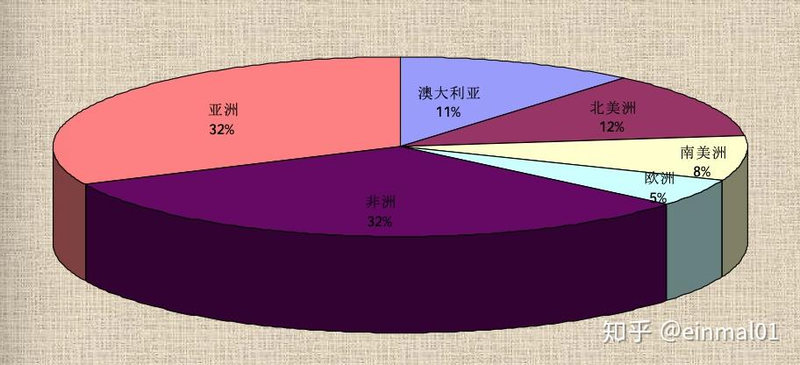
Proportion of drylands on all continents of the world
My country is a country of yellow soil, which covers 631,000 square kilometres, or 6. 6 per cent of our total land area. The main areas are located in the qindong and semi-arid regions north of qinqin hill and liaodong peninsula, i. E., north of 34°-35° n, including the north-east region, as well as the provinces (districts) of shandong, hebei, henan, shanxi, shaanxi, gansu, qinghai and xinjiang. The main areas are around the deserts, from north-west to north-east china, with an arc strip。
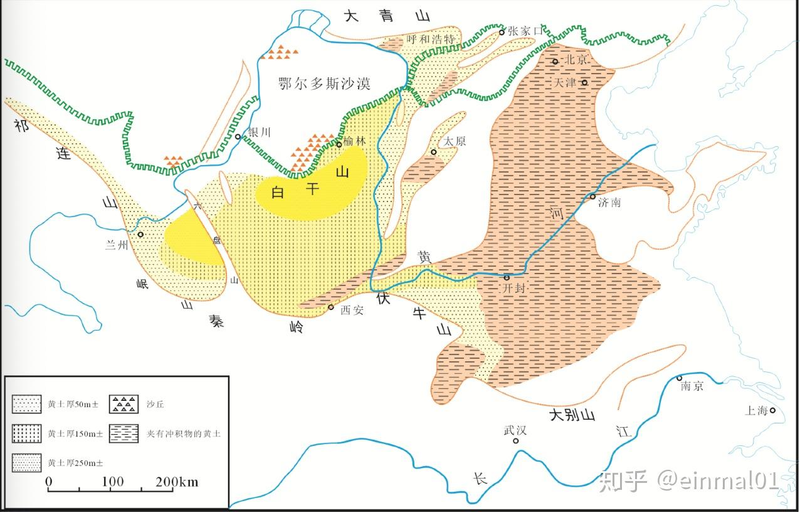
Yellow earth map of china
In the middle of the yellow river, yellow earth displays cover an area of approximately 400,000 km2 and form a yellow earth plateau (loss plateau) between 1000 and 1,500 m above sea level. Yellow soil is mostly 50-80m thick and can be up to 150-180m in the shaanxi, gansu region. Its distribution and thickness are among the highest in the world。
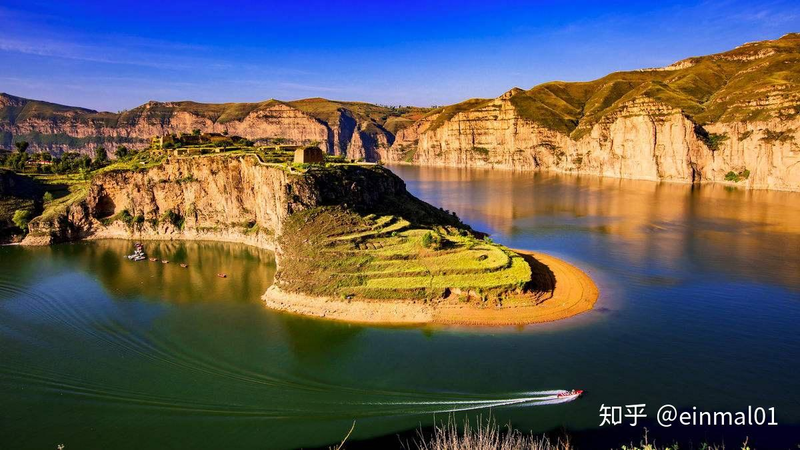
Yellow river
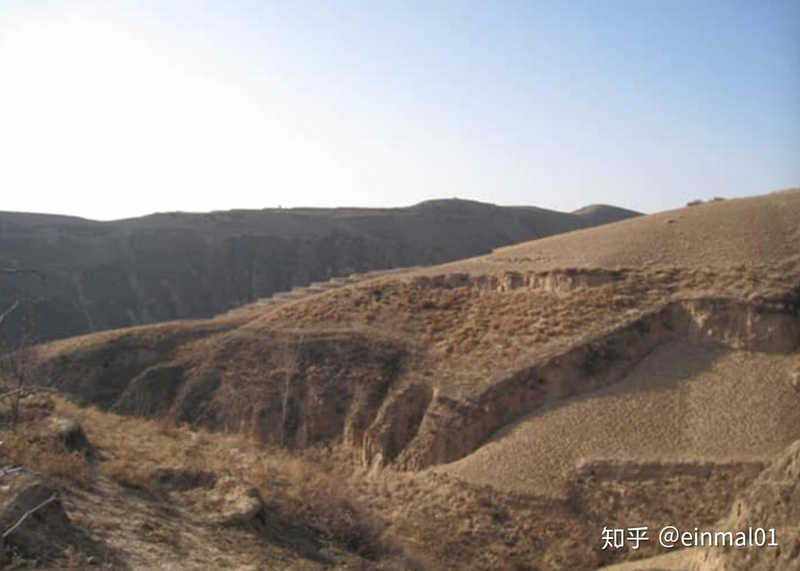
Under the influence of external forces, which are dominated by run-off erosion, a variety of characteristic yellow landscapes have been created, mainly in the form of table land, beryllium and shouder. The platinum is a four-sided, flat height formed by underwater cutting. The beams are a long, long, yellow-earth high ground. The platinum is a small yellow-earth mountain bag, commonly known as the yellow-earth slope, reflecting the downward terrain。
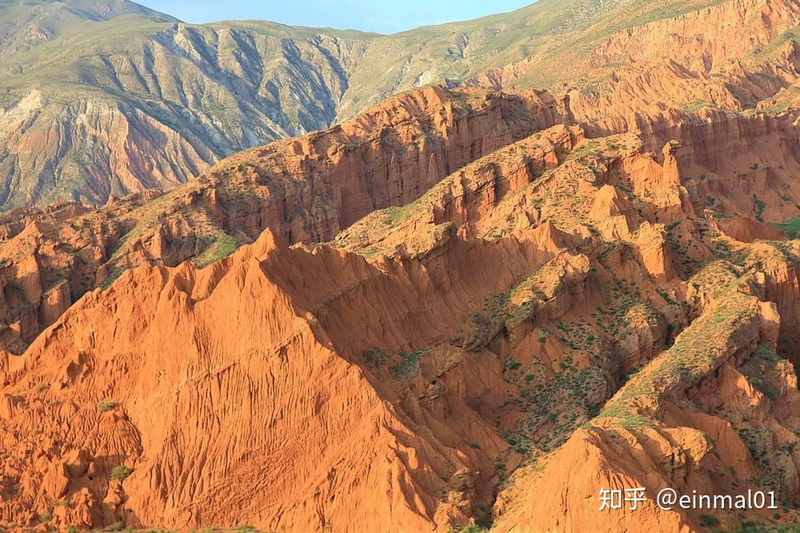
Yellow hills
The cause of the yellow earth
Typical yellow soil is made of wind. Its logo is:
(1) the mineral composition of the yellow earth is not related to the substrate composition and contains unstable minerals in water
(2) it is distributed not only in low-altitude areas, but also at the top of the mountains of 2000-3000 m
(3) the thickness of the yellow earth is gradually decreasing from the edge of the desert
(4) the particles forming the yellow soil are gradually fined outward。
The desert is now considered to be the source of yellow earth material (powder and dust) and the powerful anti-tir cyclones blow them from the abdomen of the desert to the edges and inland and accumulate them into yellow soil。
In addition, there are sediments similar to yellow soil, described as yellow soil sediments, which may have been formed as a result of the accumulation of raw yellow soil after being washed and moved by flowing water. For example, in the lower and middle part of the yangtze region of our country, there are many yellow earthy sediments piled up on the second and third steps of the river, most likely through re-sedimentation. There are a number of yellow earth sediments containing residues, floods and other external effects, which complicates the process of accumulation。
References
Du henke, geomorphology and quaternary geology, geological press, 1995
Takashi, modern landscape, higher education publishing house, 2006
Under zl, sun j m, yang s l, et al.
Shuyan tree, general geology, geology publishing house, 2010
Wang b, chen f h, zhang j w. EnviroJournal of desert research, 2002, 22 (1):21-26.
Wang feiyan, geomorphology and quaternary geology, higher education press, 1991