The increasing power of modern vehicles, the increasing speed of vehicles and the reduced loss of friction within vehicles mean that vehicles are less able to slow down from the british to the cold; at the same time, due to the increase in the overall quality of vehicles, the brake requirements under high-speed heavy load conditions cannot be met by relying solely on the vehicle's own master brake system. In order to ensure their safety, it is necessary to add auxiliary brakes, which have been introduced as a mandatory system for commercial vehicles in the traffic regulations of many countries of the world (e. G. Germany, france and switzerland). Auxiliary brakes that are used in cars to achieve a better understanding of the problem than sulfur or to reach their headmates are slow-trackers。
The usual slow-condensors are the vortex-flow speeders, the constant-magnetic speeders, the liquid-speeders and the line-up-axis oil who sets the back-air speeders. In terms of location and mode of operation, most of the work is achieved by applying reverse-direction power rectangles to the intermediate transmission system, and the brakes are larger in size (e. G., quetzan conversion of silver vortex speeders, liquid speeders, etc.) and increase the quality of the transmission system. The long working hours of these slow speeders have significantly reduced the brake effect to about 30 per cent of the cold-state capacity due to the warming of the pyrotechnic section。
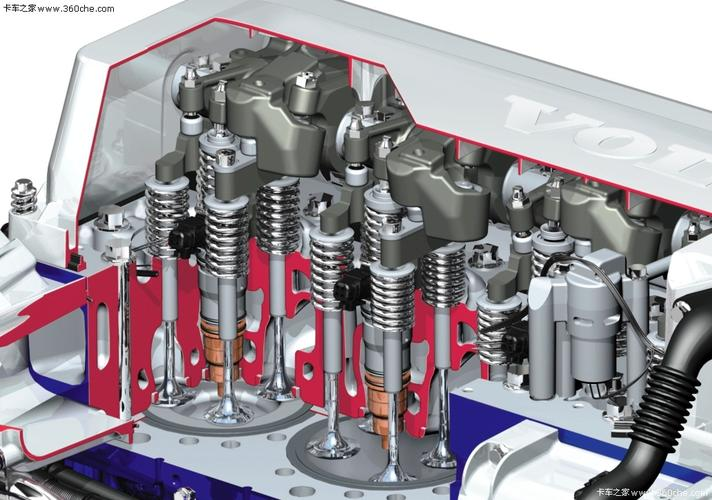
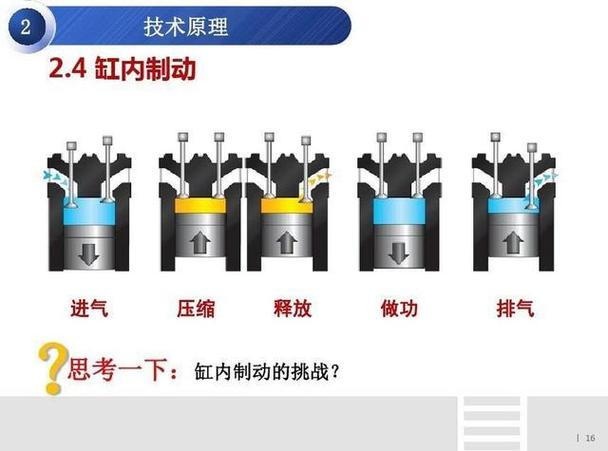
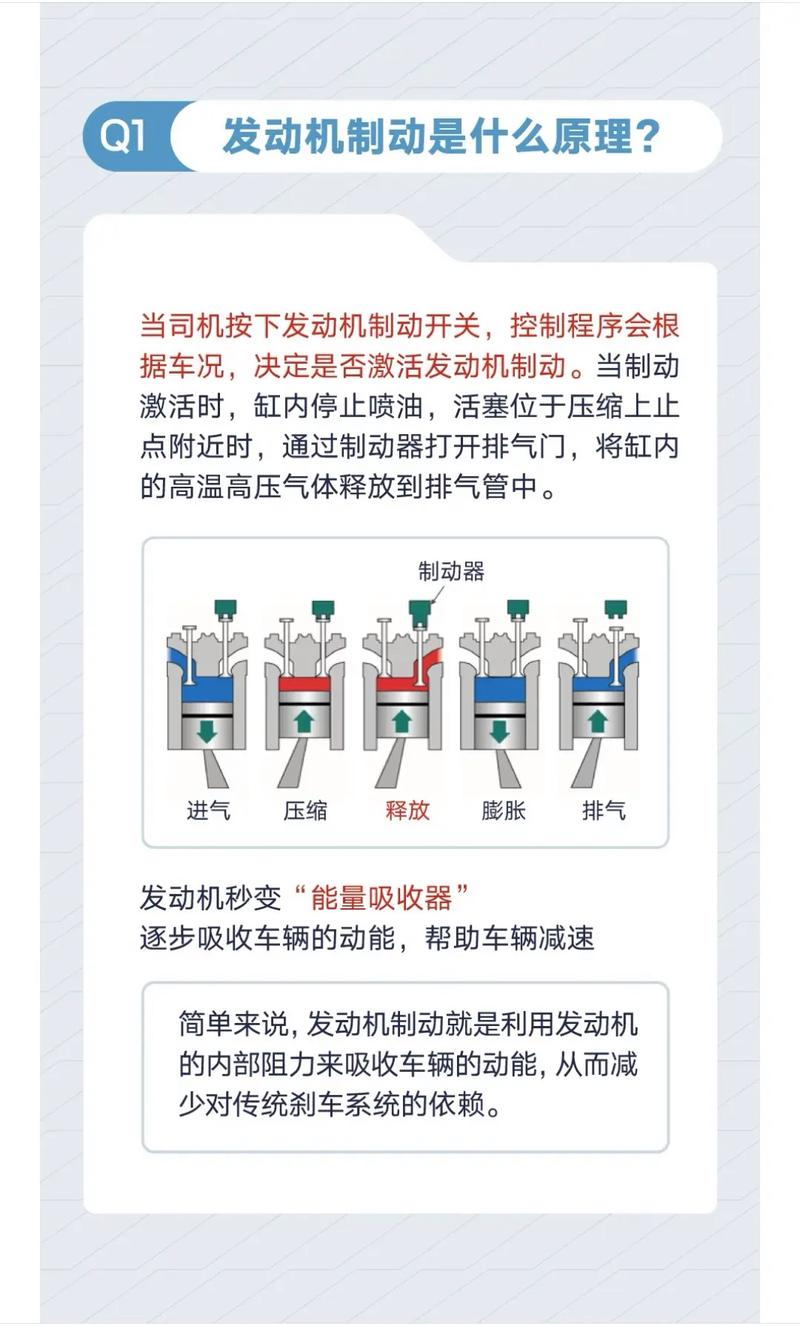
The engine slow-tracker produces brake performance through vehicle-to-engine drag, using engine mechanical loss, pump gas loss and compression power, etc., and increases car brake power by delaying the suction tree to the top and altering the process of rolling engine. In the first instance, the engine slow-tracker was a hydraulic product, but as the application of electrical technology on the engine progressed, the electrical control technology of the engine slow-tracker matured and the brake performance increased. When motor slow-downrs are used, the power of the non-pressure starter mechanism is up to 75 per cent of the power of the engine and the power of the boost starter mechanism is up to 90 per cent of the power of the engine. Compared to other slow-trackers, motor slow-starters are small, of light quality, compact structure, short response time, low construction price, high and adjustable brake power, stable brake power when used over a long period of time and do not affect brake performance due to temperature rises, etc。