Activate the mechanism, which is used to lift the door pedal without stepping down the clutch, and to brake the wheel using the compression, internal consumption and exhaust resistance generated by the motor compression process. In other words, "tow the block" and block the oil, the engine has no pull on the car. On the contrary, due to the wheel's rotation-drive system, the engine has counter-retardive resistance to the vehicle when it is not fast. The higher the slot, the smaller the impact of the engine on the vehicle and vice versa。
There are many advantages to initiating the mechanism: first, when the mechanism is used, the speed of the vehicle is always limited to a certain extent, facilitating the slowing down or timely parking and ensuring the safety of the vehicle. Second, the use of a start-up mechanism can effectively reduce the frequency of foot brakes and avoid the increased temperature of brake friction blades, the reduction of power and even the loss of functionality due to the long-term use of brakes. The use of activation mechanisms can reduce fuel consumption. When engines are brakes, the start-up opportunities are regularly “cut off” and there is no fuel consumption. If the engine slides in blank, the engine oil will be consumed at a low speed. When the mechanism is activated, due to the power of the differential, the brakes can be evenly distributed on the right and the right wheel, thus reducing the possibility of side-sliding and swinging. In addition, first, due to differentials, brakes and twists can be spread evenly on the right and right wheels, reducing the possibility of side-sliding and swinging; secondly, effectively reducing the frequency of foot brakes and avoiding the increased temperature of brakes, the reduced power of brakes and even the loss of functionality as a result of the long-term use of brakes; thirdly, the speed of vehicles is always limited to a certain extent, facilitating the timely slowing or parking and ensuring the safety of motor vehicles. In addition, the use of motors to slow down or park is safer and reliable on the wet and smooth surface. Because when the brakes are used on the wet surface, it is easier to start flipping sides, resulting in tipping tails and even sides. However, this will not occur if engines are used to slow down or stop。
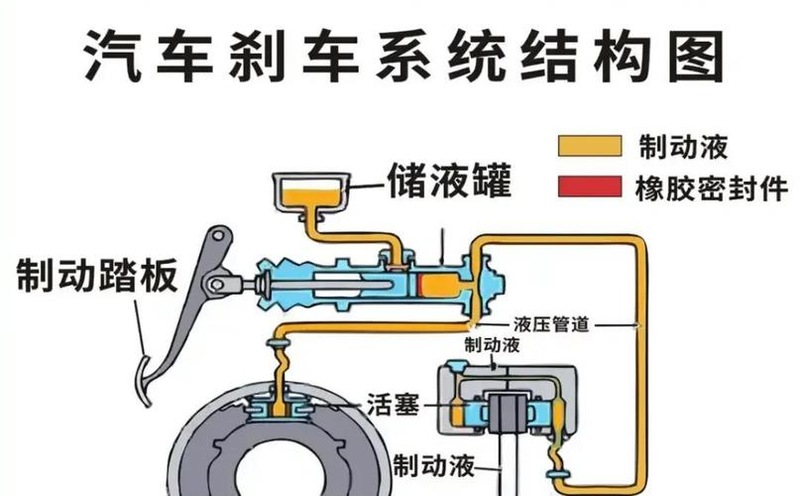
Activate the mechanism, which is used to lift the door pedal without stepping down the clutch, and to brake the wheel using the compression, internal consumption and exhaust resistance generated by the motor compression process。
That is to say, “towed gear” — no oil when gears are on hold, and no pull on the motor. On the contrary, due to the wheel's rotation-drive system, the engine has counter-retardive resistance to the vehicle when it is not fast. The higher the slot, the smaller the impact of the engine on the vehicle and vice versa。

Because of the existence of the gearbox, i. E., the different slots have different “motion ratio”, the higher the slot, the smaller it is. For example, the higher the slot, the longer the unit distance, the faster the engine rotates 100 times in the first, second and third rows, the wheel rotates 5 times, 10 times and 20 times, respectively。
Vehicle brake methods
1. The forecast is for a planned and purposeful easing of the pedals at the situational point in advance, taking advantage of the natural resistance during the journey and, depending on the circumstances, stepping down the pedals in an intermittent and gentle manner in order to further slow down or stop. This is the most common brake method for safe driving。

2. Emergency brakes are those in which the driver, in case of an emergency risk, quickly untangles the oil door pedals and immediately presses down the brake pedals, while tightening the hand brakes so that the vehicle ceases immediately. This is an emergency parking measure to avoid traffic accidents. Such brakes cause significant damage to the spare parts, and vehicles are easily out of control and only as a last resort。
3. The mechanism is to use engine resistance to reduce speed. The lower the slot, the greater the resistance, the stronger the brake performance. When the downhill road moves, it is carried to a low level, where the brake load and the number of brakes can be reduced by the resistance of the engine to prevent heat decay due to overheating. When moving along snow and muddled roads, the application of engine resistance to brakes prevents side slides。