Role and working principles of car carbon tank electromagnetic valves
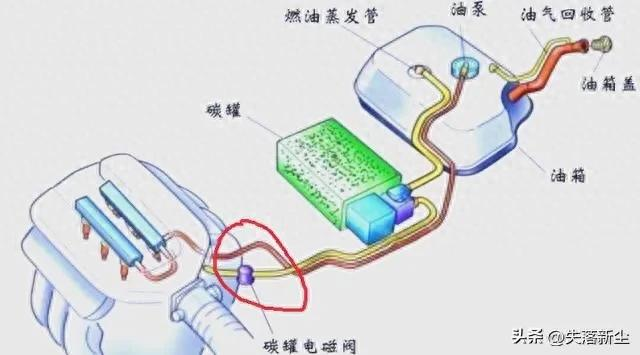
Carbon tank electromagnetic valves are the core components of the evaporation emission control system for automobiles, mainly to reduce environmental pollution and increase fuel efficiency by adsorbing and releasing fuel vapour. The working method consists of adsorption and decomposition phases: adsorption of volatilized fuel vapour from the tank when the engine is shut down and, on start-up, combustion of steam into the engine is controlled by an electromagnetic valve。
Core role
1. Environmentally friendly emission reduction: preventing direct emissions of fuel vapour into the atmosphere and reducing hydrocarbon pollution。
2. Energy efficiency efficiency: recovery of fuel vapours contributes to combustion and reduces fuel waste。
3. Pressure regulation: balancing internal pressure in tanks to avoid safety hazards resulting from vapour accumulation。
Rationale
1. Sorption phase (engine shutdown):
Volatilized fuel vapours in the tanks enter the carbon tanks through the pipeline and are stored in activated carbon。
Carbon tanks design multi-causal structures to increase adsorption efficiency and have one-way valves to keep systems closed。
2. Decontamination phase (engine start-up):
... The electronic control unit (ecu) controls the opening of electromagnetic valves in accordance with the conditions (e. G. Rate of rotation, load) and uses a vacuum in the vent to inhal fuel vapour into the combustion chamber。
. Emps are accurately adjusted to open the signal by pulsed width (pwm) to avoid mixing overheating or thinning。
Key components and processes
1. Activated carbon tanks: special granular activated carbon filled, efficiently adsorbing on the oil and gas molecules。
Electromagnetic valve control:
... Closed design, controlled by the euu, to ensure that steam is released only in appropriate conditions。
. Hf shutdown conditions may accelerate the ageing of electromagnetic valve seals。
3. System-connected: work with fuel tanks, entry tubes and ecus to develop closed loop control。
Case one
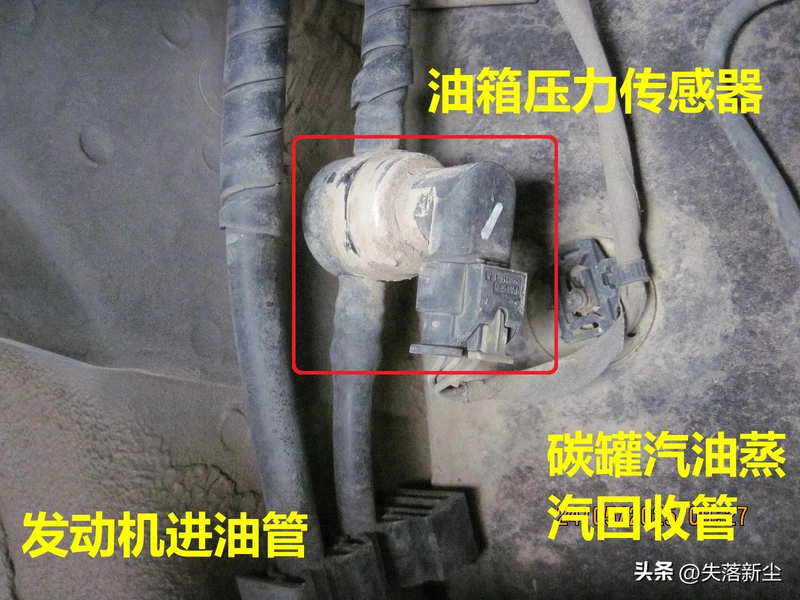
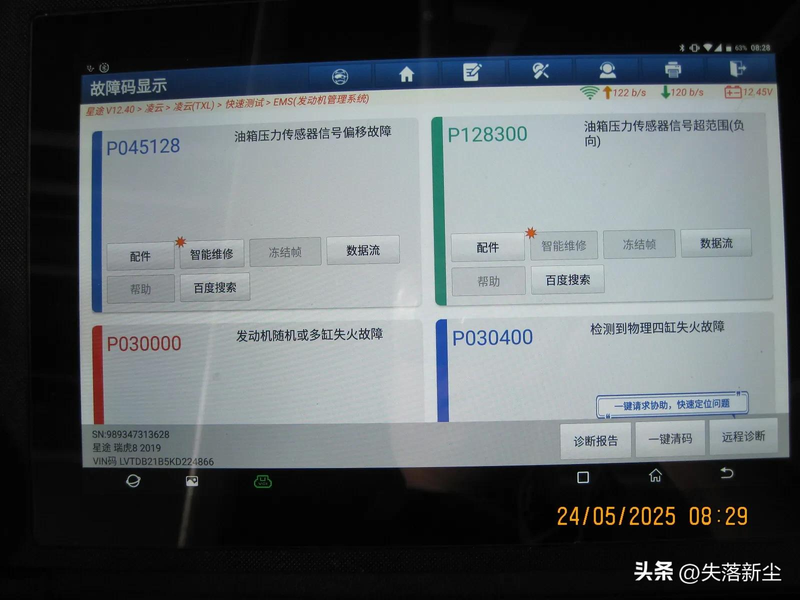
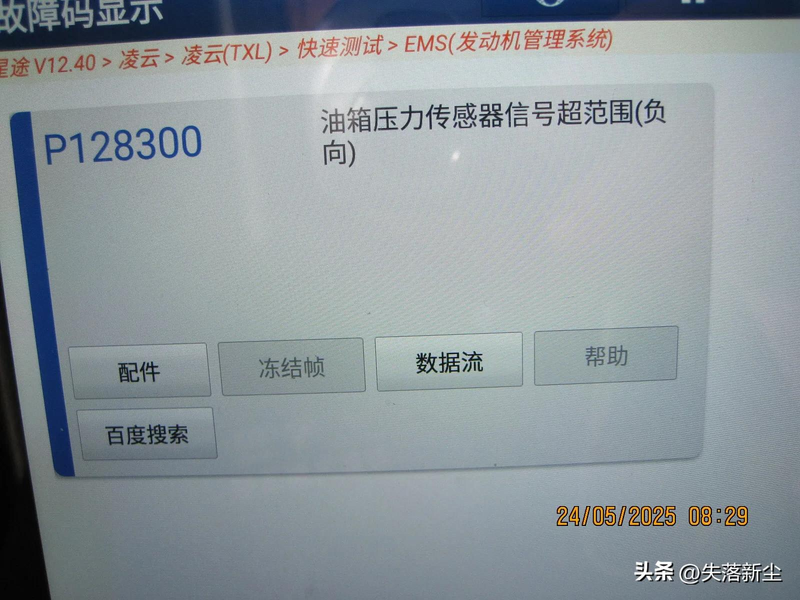
A customer on the chire route responded to engine failure lights and used computers to detect pressure sensors from fuel tanks and failure codes from multiple tank fires. First the failure code is cleared, then the engine test vehicle is activated with a failure signal showing the "p128,300 fuel tank pressure sensor signal ultra-range (negative)" failure code. The fuel tank pressure sensor is installed on the right-hand right-hand sorghum gas recovery tube, and electrical power is normal for measuring sensor traffic. The inspection begins with the components that cause abnormal pressure in the fuel tank and the fuel vapour pipe connects the engine to the gas pipeline. The engine is activated with a negative pressure, the car computer is controlled according to the engine's working condition, and the carbon tank is opened or closed. In the event of an abnormal working process causing an excess of negative pressure, the fuel pressure sensor is activated and the alarm lights are activated。
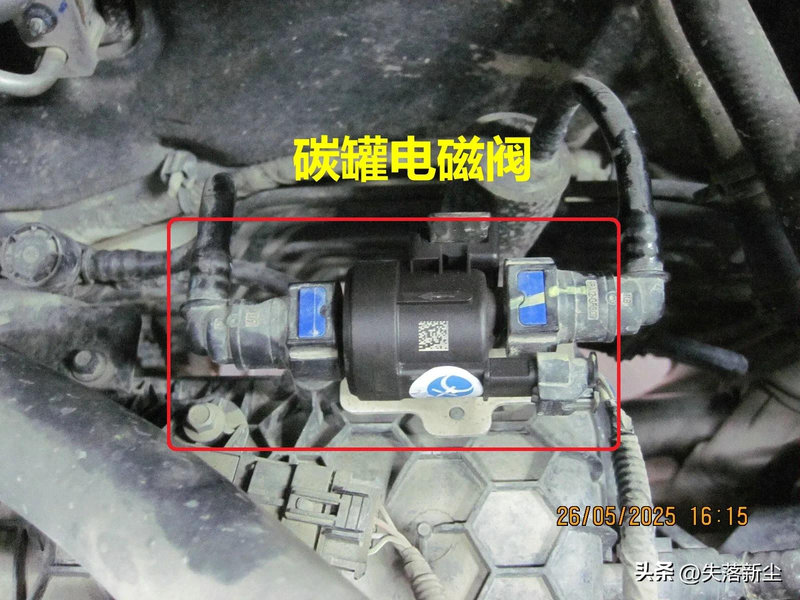
A carbon tank electromagnetic valve was replaced to test the vehicle, and the failure removal no longer lit the failure light。
The excess (negative) range of pressure sensor signals in the engine report "p128,300 tank" is the excessive opening time of the carbon tank electromagnetic valve, resulting in the pressure of the tank exceeding the normal negative pressure trigger sensor signal. The failure of the missing fire was due to the fact that the engine had been inhaling too much fuel vapour for long periods of time, resulting in overheating, and that the carbon-capable spark chamber had not been able to properly ignite the fire story。
Cases of malfunction ii

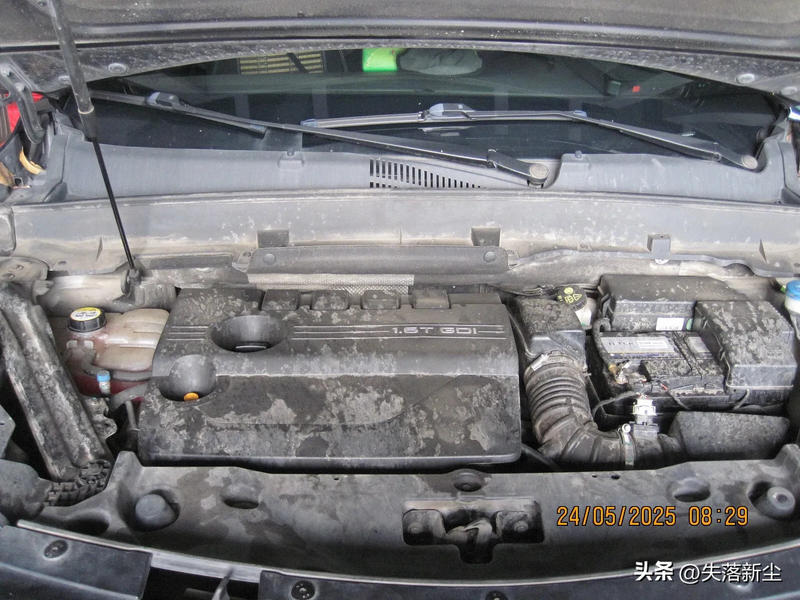
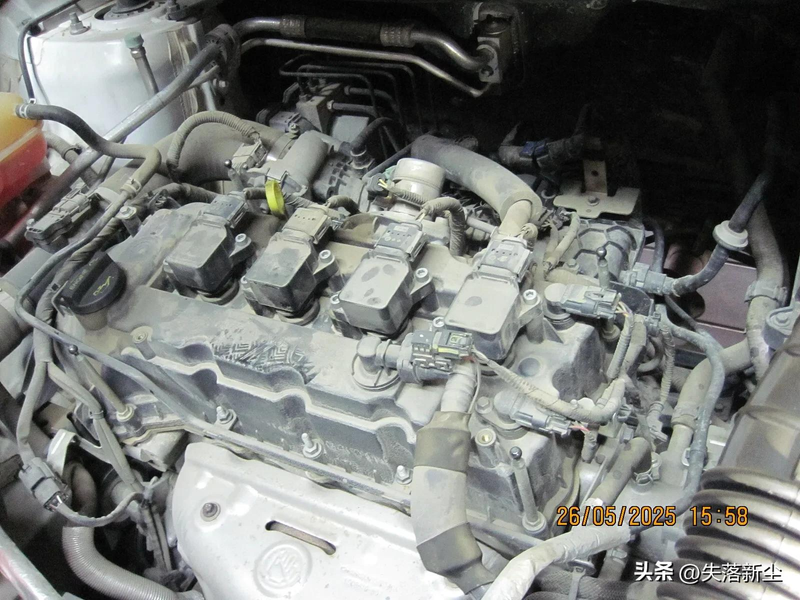
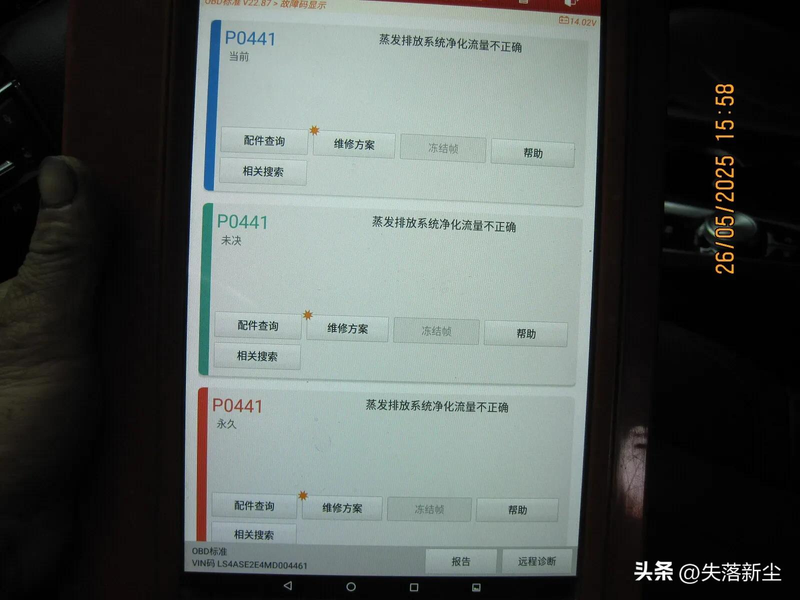
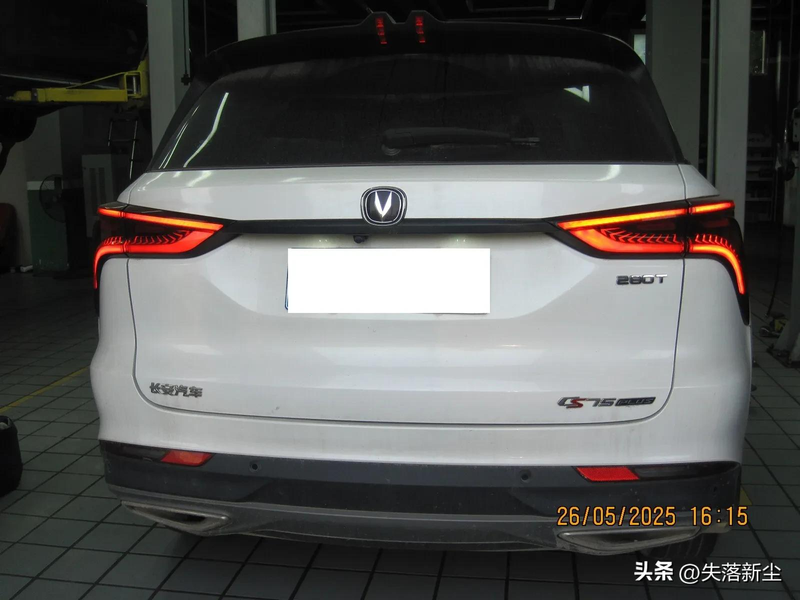
Changan cs75 clients reported that the car could not burn after the gas was added to the gas station, and that it could be lit in a few minutes and the engine failure light would be lit. The computer detects "incorrect evaporation flow of p0441 evaporation systems" and the last one is a failure code triggered by pressure sensors from tanks。
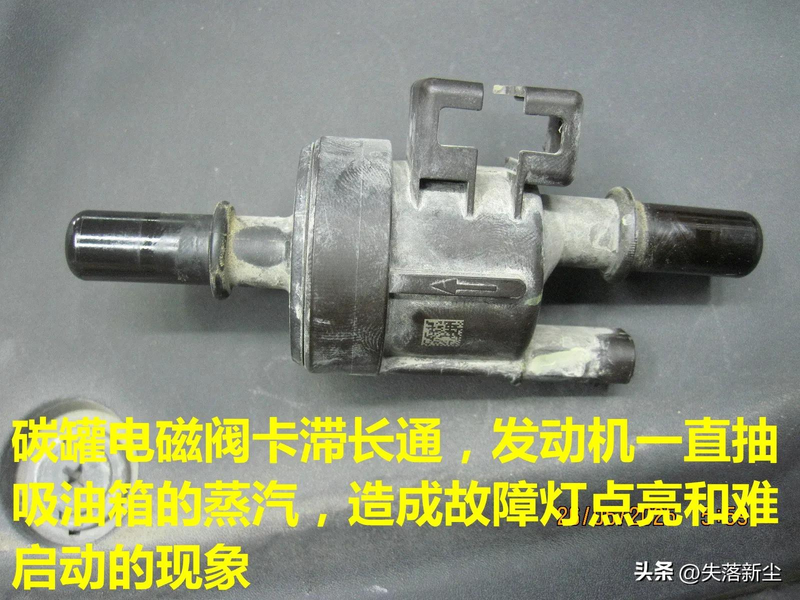
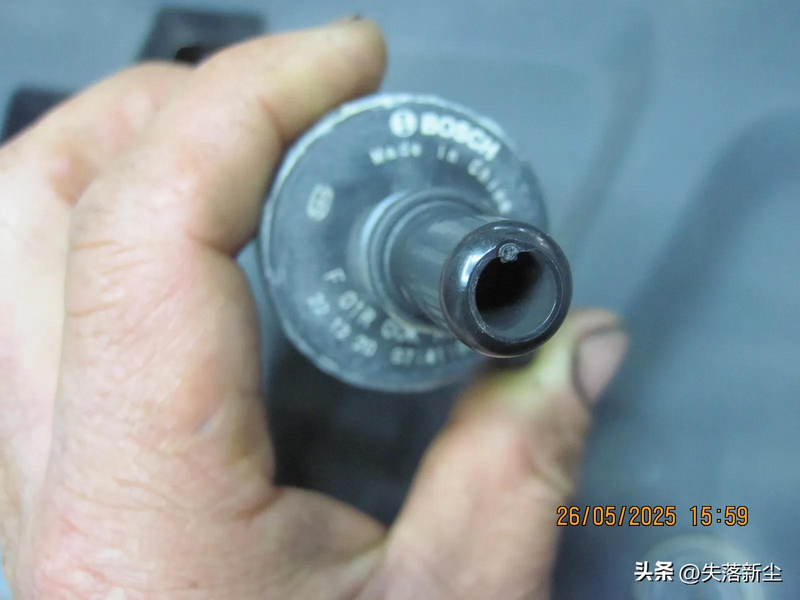
Dismantling of the carbon tank electromagnetic valve to check that the electromagnetic valve card is not working, resulting in too much negative pressure on the tank。
The refuelling station could not start because the electromagnetic valves were not working. Gases penetrate into the fuel steam-recycling system when fuel is refuelled, and gasoline in the fuel steam-recycling tube is inhaled at start-up. Inundation of spark plugs has prevented spark plugs from lighting too much oil in the cylinder that is not mixed with air. After repeated start-up or vehicle parking for a certain period of time, the engine could be activated again because of the heat evaporated gasoline in the cylinder itself。
Replacement of a carbon tank electromagnetic valve and normal testing。