Electromagnetic valves for carbon tanks:
The reference to carbon tank electromagnetic valves avoids referring to the evaporation emission control system (evap), which is one of the motor auxiliary control systems and one of the motor emission control systems. The system consists mainly of components such as active carbon tank storage units, fuel evaporation purification control units and fuel tank evaporation control, of which the carbon tank electromagnetic valves are a very important part。
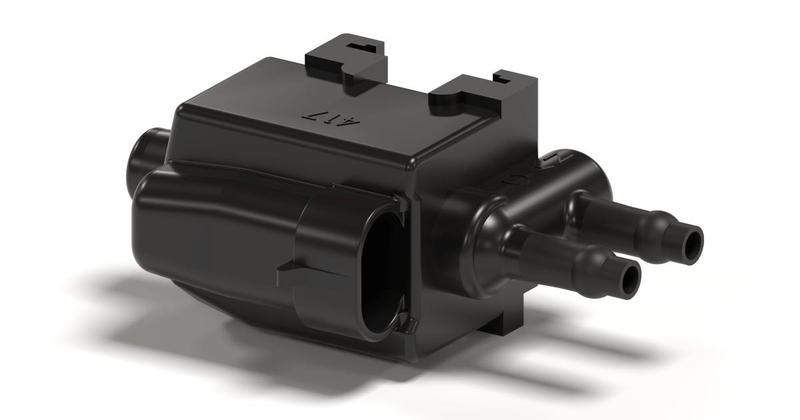
The function of the system is to prevent the discharge into the atmosphere of evaporated gasoline vapour from the car tank, as gasoline is a volatile liquid, often filled with vapour at constant temperatures, so the fuel evaporation control system functions to introduce steam into combustion and prevent volatilization into the atmosphere. This process plays an important role in the active carbon tank storage mechanism, as activated carbon is adsorbing, and when cars operate or burn out, gasoline vapour from fuel tanks enters the upper of the active carbon tank through a pipe and fresh air enters the active carbon tank from the lower of the activated carbon tank. When the engine goes out, gasoline vapour and fresh air are mixed in the tank and stored in the activated carbon tank, when the engine is activated, the carbon tank electromagnetic valve between the activated carbon tank and the imported gas tube is opened, and the gasoline vapour in the activated carbon tank is inhaled into the gas tank and sent into the tank for combustion。
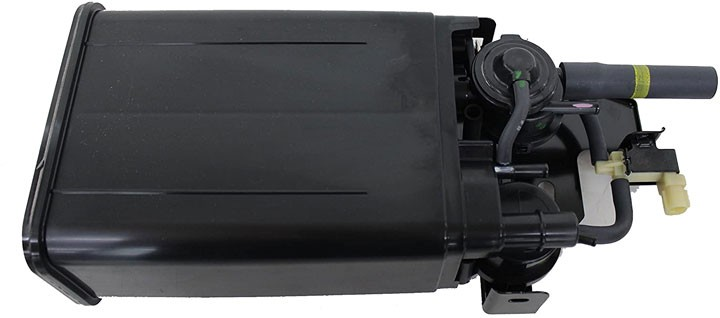
During this process, the carbon tank electromagnetic valve is equivalent to a one-way valve, similar to the tap, which is precisely controlled by the engine computer when it is on and off. Its working state must meet two basic conditions: first, that the temperature of the refrigerated cooling fluid is above 60 degrees; and second, that the ambient temperature is above 5 degrees, otherwise it cannot function normally。
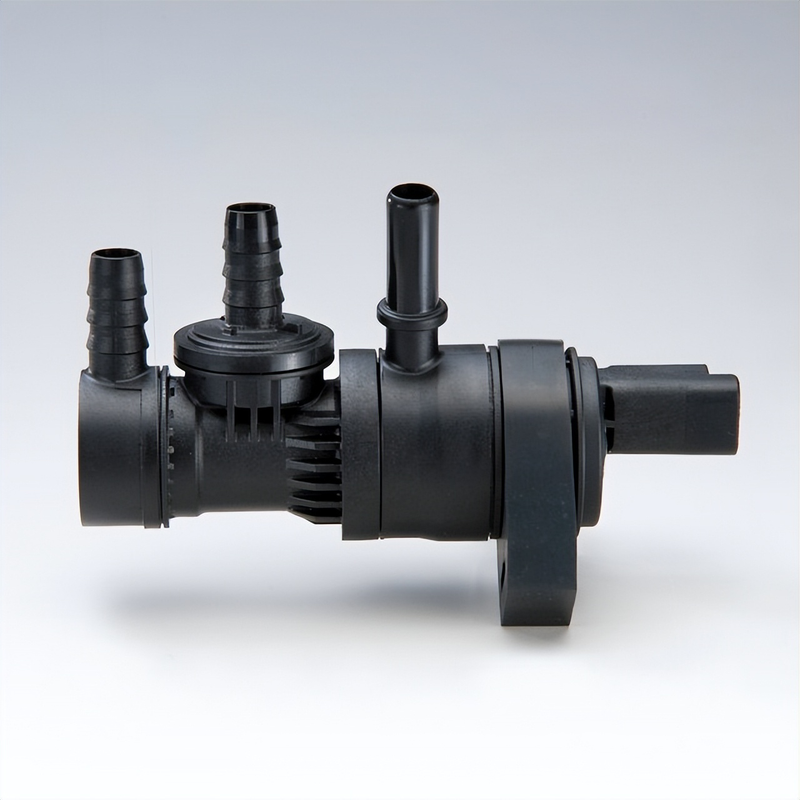
Fault following damage to carbon tank electromagnetic valves:
(a) a car at the refueling gate and the smell of gasoline, usually caused by the breakdown of the carbon tank electromagnetic valves
(b) the failure and weakness of the speed, usually caused by the congestion of the carbon tank air entry
3. The engine is not easily activated after the fire has ceased and is generally caused by the frequent opening or closure of the carbon tank electromagnetic valves
Refuelling cannot be overfilled or too fast, usually caused by the drowning of the carbon tank electromagnetic valves and the strangulation of oil
5. Car instrument lights engine failure lights and storage of associated failure codes within the control unit
6. There is also a phenomenon that is largely normal, namely, the sound of the acoustics in the flight time compartment, which is actually the sound of the carbon tank electromagnetic valves working
7. An abnormally high fuel consumption
8. Combination is either intense or rare, because the carbon tank electromagnetic valves are frequently open, whereas the mixture is due to the fact that the carbon tank electromagnetic valves are often open for long periods of time, and when the fuel vapours in the carbon tube are inhaled, too much fresh air is inhaled, which, when mixed with the fuel, leads to a mixture of thin air. In short, in the case of frequent carbon tank electromagnetic valves, this results in a mixture of gas which is thick and thin。
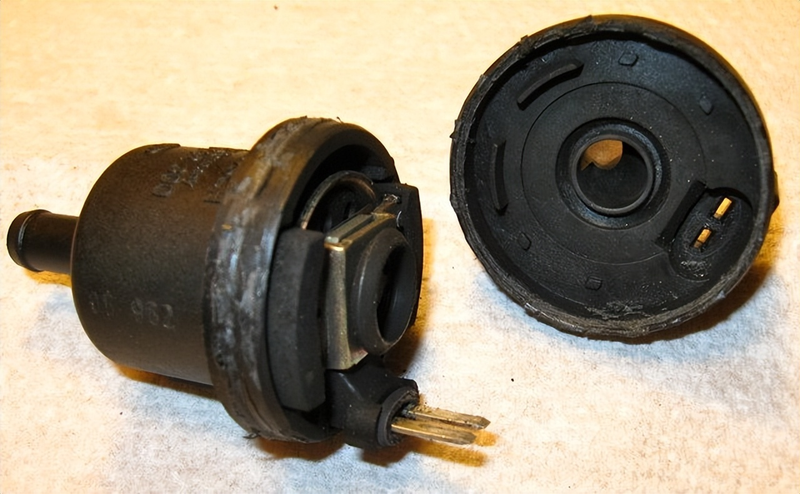
Test methods for carbon tank electromagnetic valves:
1. Breathing: generally, when the carbon tank electromagnetic valve is not working, the interior is in a constant state of shut-down, so we can remove the fuel steam pipe blowing on the carbon tank electromagnetic valve, and replace it if it can be blown to represent damage to the carbon tank electromagnetic valve。
2. Resistance method: the use of a universal meter to measure the resistance of a carbon tank's electromagnetic valve is generally represented by a resistance value of around 30 om。
Test method: connecting two needles of the carbon tank electromagnetic valve with a conductor to touch the positive and negative extreme of the storage battery, and if the sound of the “polymer” is heard, means no problem。
Test light: the carbon tank electromagnetic valves typically have two guide lines, one around 12v of the power line and one pwm space-based signal line controlled by the engine computer. Led test lights are used to measure space-to-space signal lines in the case of vehicles on board, and the test lights are scintillated, i. E. They represent the normal electromagnetic valves of the carbon tank。
It is also possible to remove the carbon tank electromagnetic valve plugs and fuel vapour tubes and to touch the carbon tank electromagnetic valves with a hand, which, if inhaled, represents frequent damage to the carbon tank electromagnetic valves and can be replaced。
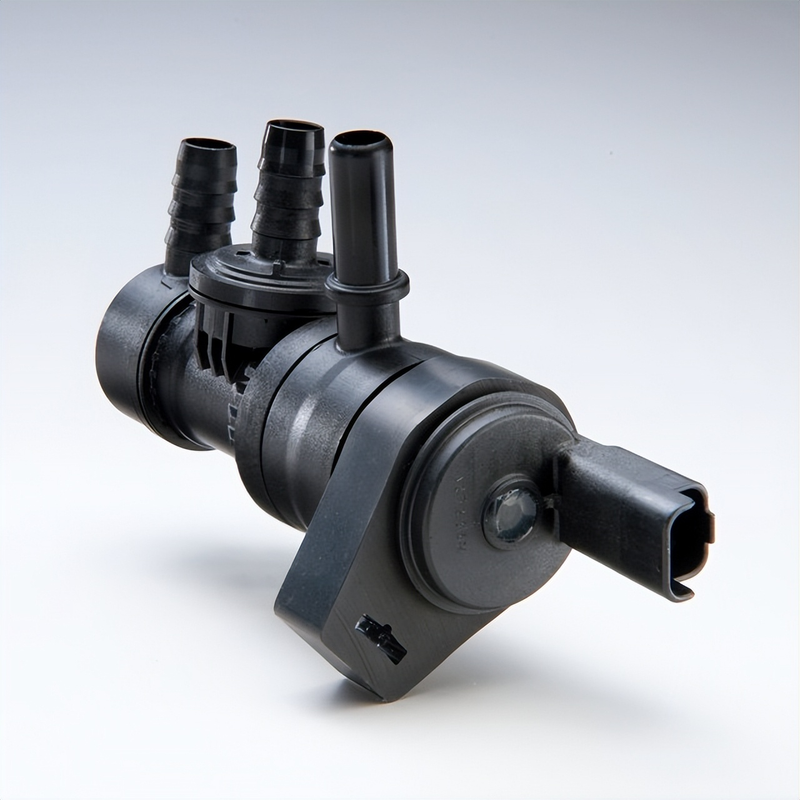
All right, here's some of the knowledge about the carbon tank electromagnetic valves, and it is hoped that it will help your carmates and maintenance technicians to reduce their daily problems。