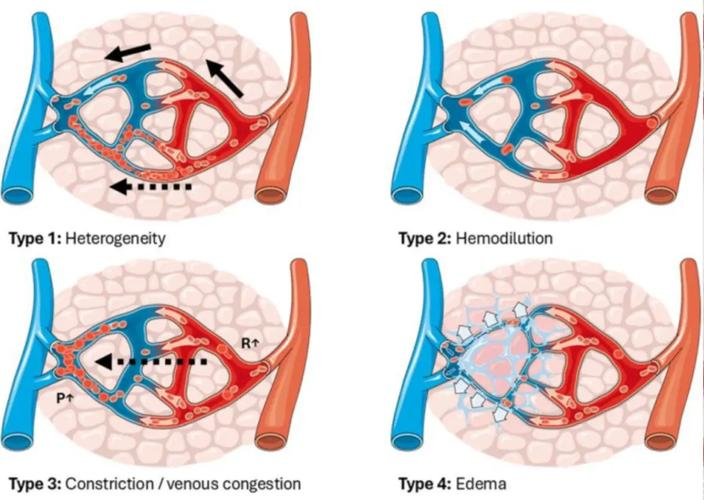
The late-term microcycle irrigation in shock is characterized by microvascular convulsions of microcycling, the cessation of blood flow within microcycling, the non-injection of blood, and large amounts of blood bruises within microvascular veins. At the same time, microvascular paralysis caused a loss of reaction to an vascularly active drug, known as the late stage of microcycling and the late stage of shock. At the same time, because of the sharp slowdown in blood flow and the high condensation of blood, combined with severe metabolic acid poisoning, there is also a risk of widespread internal vascular condensation, i. E. Dic, in late shock. These are the features of the late shock, micro-cycle irrigation。
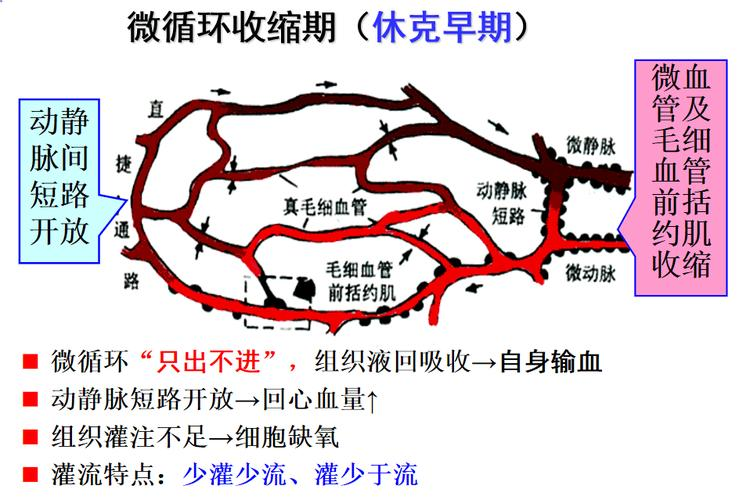
The shock is divided into three periods, early, medium and late. In the early days of shock, known as the ischaemic infraoxin period, and in the early days of shock, as a result of accelerosis in the adrenal med system, a large number of cyanolamines were released into blood, causing microacoustics in the microcycle of patients, the post-microartal artery, and the precircleic abs to contract, thus removing the blood from the capillar network and returning directly through the direct route, as well as through animated veins. At this stage, the patient can temporarily refrain from falling blood pressure and rapidly increasing heart rate due to increased blood flow from vital organs such as the heart, the brain and others. However, skin and kidneys are extremely sensitive to chlorophenolamine, so that in the early days of shock, patients experience wet cold skin, reduced urine and kidney function damage。
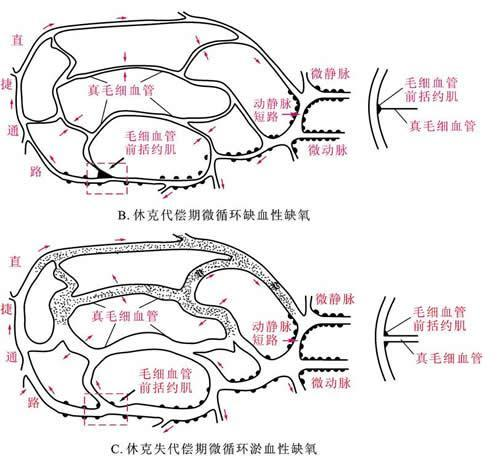
In the middle of the shock, the precipitous stench muscle, microsectional artery, post-microsectional artery, reduced sensitivity to chlorophenolamine, spreads, blood enters the capillary vascular net, and there is significant siltation in the capillary veins. Thus, in the middle of the shock, it was referred to as the siltary hypoxic period. If the shock is further aggravated, the late period of shock is reached, the micro-cycle irrigation is completely stopped, and the blood is heavily bruised and the dic is in effect。