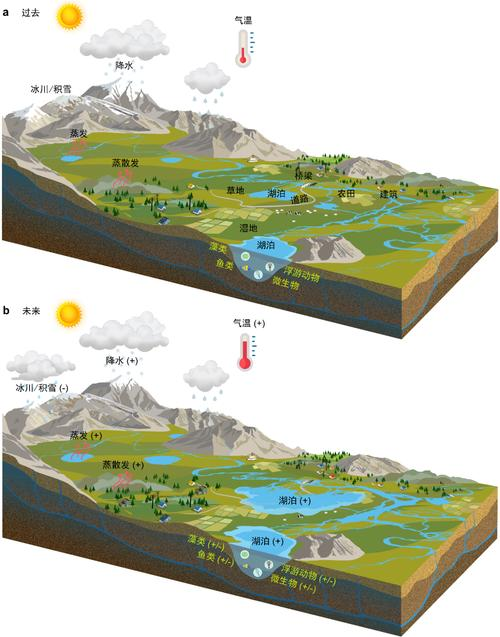
The tibetan plateau is home to a large number of highland inland lakes, with the total area of lakes accounting for more than 50 per cent of the country. Changes in the size of the lake's body of water can change the spatial distribution of the lake, affect its rate of evolution and salinization levels, thereby altering the structure and functioning of the lake's ecosystems and even of the entire region。
In the context of global warming, how does the water mass of the tibetan highlands change? Reasons? What are the impacts on the highland ecosystems? To this end, the paper interviewed the chief expert of the national climate centre, xiao qianxian, and researcher zhang zhang kuoji plateau institute of the chinese academy of sciences。
Fact: the water column of the tibetan highlands has increased significantly over the last 20 years
The lake is a sensitive indicator of global climate change. As a result of climate warming, glaciers in the tibetan highlands melted, frozen soil degraded, precipitation increased overall, and the lakes generally tended to expand. Using our wind cloud weather satellites and foreign satellite information, the team analysed the area of water in the quizhi plateau from 2000 to 2020 through the integration of multi-source satellite information。
The analysis showed that the water column of the twilight plateau lake has been increasing steadily in general for almost 20 years, reaching 70304. 5 square kilometres in 2020. At the same time, the area of qinghai lake and the coloured forests has continued to grow, with qinghai lake covering 4588. 81 square kilometres in late september 2020, the largest since the monitoring of remote sensing in 2001. Since 2009, there has also been an increase in the area of lakes with a three-kilogram region of more than 50 square kilometres, with an average annual increase of 51. 76 square kilometres; and in the area of lake caydar basin, an average annual increase of 7. 54 square kilometres since 2009。
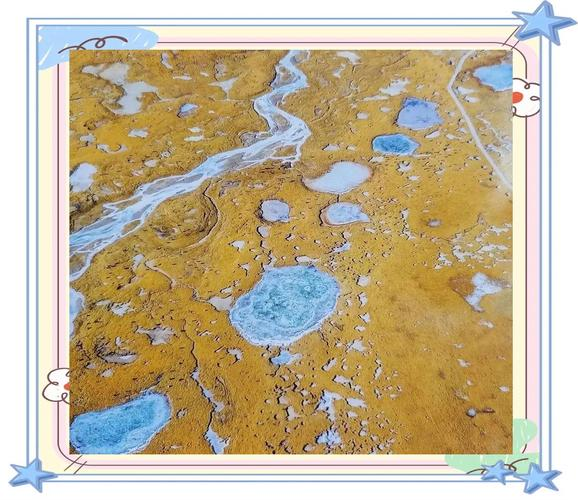
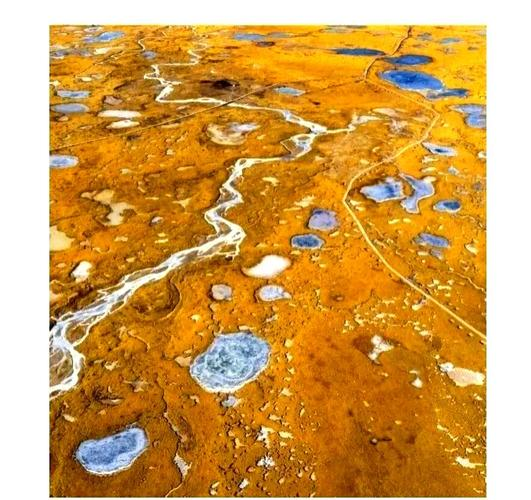
From a subregional perspective, between 2000 and 2020, there was a steady increase in the area of lakes in the northern part of the tibetan highlands, such as the caydar inland flow zone, the western corridor-alayan river flow zone, the yellow river dry flow system, the qingdong highlands internal flow zone and the tari wood inland flow zone; the area of the southern part of the tsimaku highlands in the brahmabutra river basin of the yaruzhib river fluctuated, with no significant increase in the area of the water column from 2000 to 2015, with a marked increase beginning in 2016。
The zhang gyeongqing team, after long scientific research, has reached similar conclusions. According to zhang, with global warming, there has been a marked increase in the number and size of tibetan highland lakes, with more than 80 per cent expanding, and more pronounced expansion of central and northern lakes。
Cause: increased precipitation, accelerated melting of glaciers
Global warming, leading to increased precipitation and accelerated melting of glaciers in the tibetan highlands, is the two main causes recognized by the academic community for the increase in the size of highland lakes。
Against the background of nearly 50 years of climate change, the temperature of the tibetan plateau is twice as high as the global average. Monitoring data show that between 1981 and 2020, the average temperature of the tibetan plateau showed a clear upward trend, with an average increase of nearly 0. 5°c over 10 years。
“the continued increase in temperature has accelerated the melting of glaciers in the highlands, and in recent years most glaciers in the highlands have retreated at an accelerated rate.” it is located on the northern slope of everest, in the middle of the himalayas, and the main velvet glacial surface is made of ice lakes due to the accelerated melting of the glacier. Since 2000, the area of the lake has gradually increased, reaching a rate of 90. 48 per cent between 2005 and 2019. From 1974 to 2010, the end of the gemmaungzong glaciers retreated 768 metres; from 2000 onwards, there was a marked acceleration in the retreat of glaciers, while the ice lake area increased by 63. 7 per cent。
Zhang gyuk indicated that, in addition to the accelerated melting of glaciers, increased precipitation was a contributing factor to the expansion of the highland lake area. The national climate centre (ncc) data show an annual increase in precipitation between 1981 and 2020, with an average increase of 14 mm in 10 years. Studies have shown that precipitation has been a major factor in lake water growth since 2000, but the sustained increase in temperatures between 2005 and 2013 has led to increased lake evaporation and reduced the rate of increase in lake water volume。
A survey of remote sensing of the area of 109 enclosed inner-flow lakes in the tibetan plateau greater than 20 km2 and of the water levels of some lakes found that between 1999 and 2010 there had been a marked expansion of those lakes, with significant expansion in the north and weak expansion in the south. The rapid expansion of lakes in the central north and north-east of the tibetan highlands was largely affected by a significant increase in summer precipitation, according to a strong wind analysis。
Zhang gwok zhang indicated that the volume of water in closed inland lakes of the tibetan highlands will continue to grow over the next 20 years, but the rate will decline。
Impact: short-term benefits and disadvantages, with increased ecological security risks in the long term
The experts indicated that in the short term, the size of the lake in the tibetan highlands had increased, with both advantages and disadvantages; in the long run, however, it was not necessarily good for the highland ecology。
According to xiao jian, with the increase in the size of the lake's body of water and the increase in the volume of water resources, the improvement of soil conditions around the lake has contributed to the growth of non-inundated areas of the lake's vegetation. Satellite remote sensing monitoring showed that from 2001 to 2020, the vegetation index of the tibetan highlands rose from 0. 207 to 0. 233, an increase of 12. 5 per cent, and the overall ecological environment continued to improve. In addition, the expansion of lake water bodies has been beneficial for vegetation restoration and desertification management, and data show that the total area of desertification in qinghai province decreased by 3. 93 per cent between 2011 and 2020。
The disadvantage is that the lake area increase conference cuts the surrounding grassland and rangeland, and surface run-off from ice-melting water erodes grassland vegetation and damages grassland ecology; it may also directly flood the surrounding major engineering facilities, agro-pastoral production facilities, etc. In 2018, for example, the continued rise in the water column of coco sicilian lake posed a serious threat to the safe operation of the cheong ji road and the chai tibetan railway。
In the long run, ecological security risks in the highlands have increased with the frequency and scale of the freeze zone disaster events. It was suggested that priority should be given to enhancing the development of integrated, multi-climatic, multi-climatic monitoring systems in the highlands region, advancing the study of integrated science and atmospheric science and continuously improving scientific understanding of climate change impacts mechanisms in the tibetan highlands. At the same time, research on the risks of climate change to the ecological security of the highlands region should be strengthened, adaptation to climate change should be enhanced and ecological safety barriers in the highlands should be established。