At school, there's a group of kids who always give teachers a headache: they skip, miss, and write in crooked fonts. They are children who have difficulty reading and writing. According to experts, some 15 million students in the country suffer from reading and writing difficulties, but less than 1 per cent of the population is aware of this。
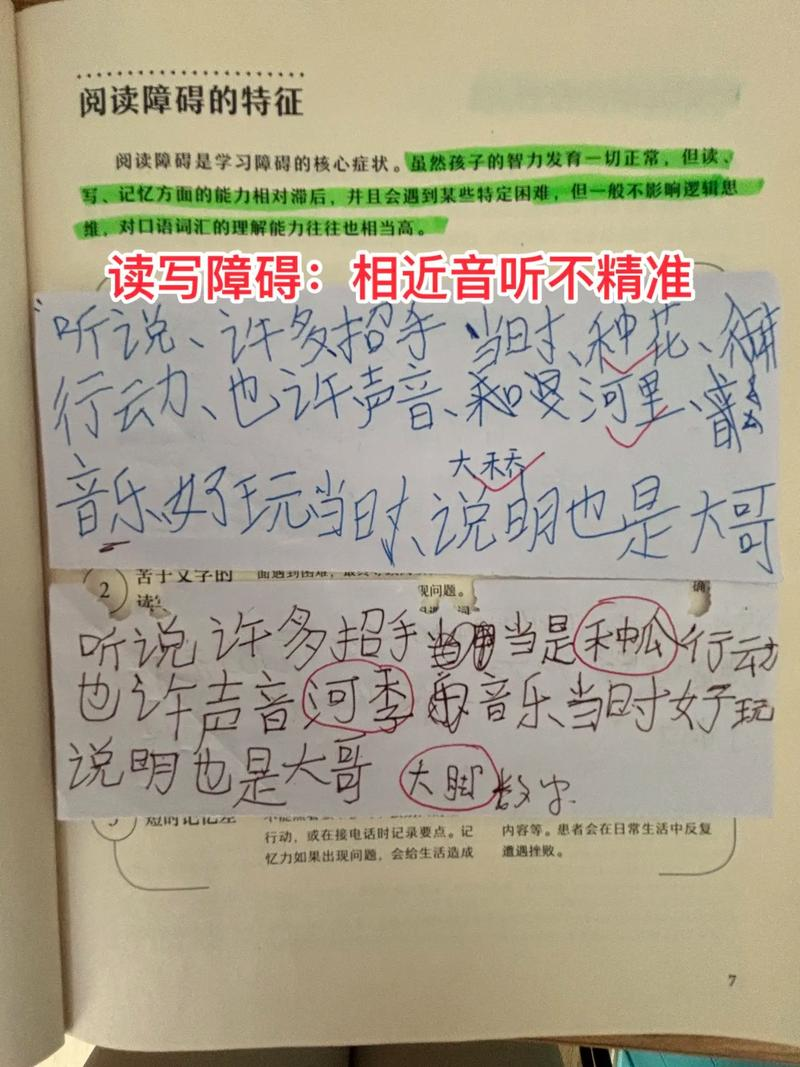
The author learned from the china forum on reading and writing difficulties and international development, held in beijing, that reading and writing difficulties are a special learning barrier in learning, language, sports, etc. People with difficulties in reading and writing are characterized by poor reading, understanding, writing difficulties, clumsyness, low self-confidence, poor reading, long typography, incoherence, incoherence, inefficiency in learning, lack of focus, interpersonal difficulties, and they are intellectually normal but less capable of learning, known as “smart fools”。

The expert noted that people with reading and writing difficulties in the country faced such difficulties as low social awareness and attention, lack of policy support and lack of specialized institutions capable of providing services. Because most schools, teachers and parents are not aware of the difficulty of reading and writing, many children are mistaken for being lazy and insensitive. Only a very small number of children with reading and writing difficulties are properly diagnosed and receive professional intervention and correction。

In response to this problem, li xian, a researcher at the institute of psychosocial studies of the central institute, expressed the hope that knowledge dissemination would be further strengthened, early diagnosis and intervention mechanisms would be improved and social support would be provided. He stated that ages 7 to 12 were the best age for corrective reading and writing difficulties and that the earlier the intervention began, the more successful the improvement would be. Parents can help children with difficulties in reading and writing by reducing their writing volumes appropriately, strengthening small muscle grab training, using memory association and multi-sensor teaching. Sun zhen, shuxing