The interviewer raff reported that everyone who knows the principles of the plane knows that the aircraft can fly up because of the power they generate during the accelerated take-off and send it up to the blue sky, and that a new science was born from the day the plane was born, which is aerodynamics。
Unlike aircraft, the pursuit of aerodynamic applications in the f1 race is completely reverse, and in order to “prevent” races flying at high speed, some aerodynamic components are required to put pressure on the races, while lifting them
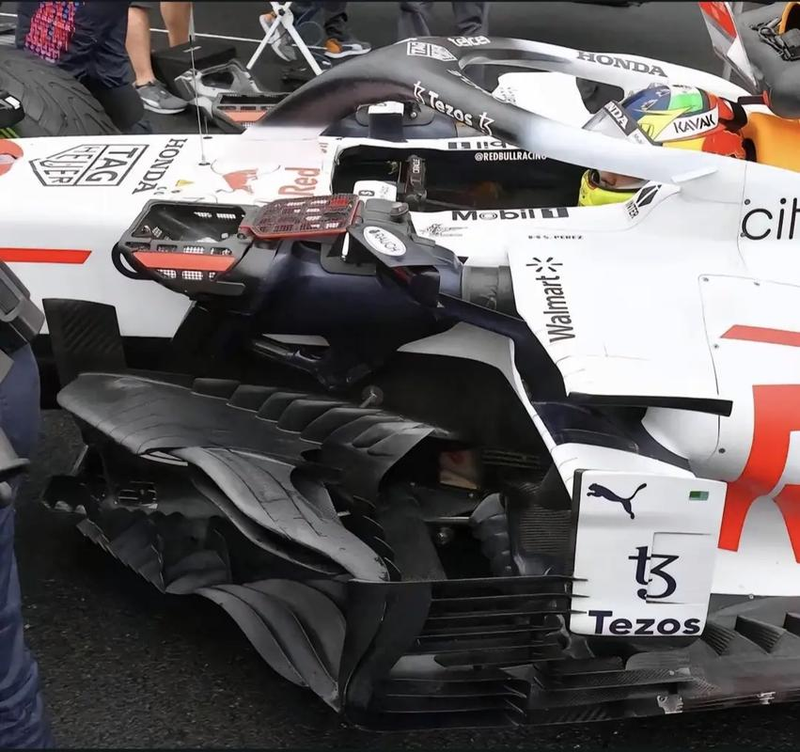
The f1 racing vehicle has its wings - the front and rear wind wings and other aerodynamic components. The application of aerodynamics in the f1 car is mainly found in two ways: on the one hand, by allowing downward pressure from the fixed wind wings to provide enough grip on tyres, and on the other, by minimizing air resistance in the drive。
In the early years of the f1 races, the difference between racing and ordinary cars appears to be small, but since the introduction of aerodynamics, the f1 races have begun to change significantly, starting with the formation of winding wings. The basic working principles of the wind wing are in fact the same as those of a normal aircraft that we see, and the greatest difference is that when the wind wing produces sufficient lift because of the speed of the aircraft, the wind wing reverses the engine of the wind wing. The reverse installation of pre- and back-set wind wings will create a downward effect on the air, which we call “down pressure” to ensure that the fast-moving racers “capturing” the ground does not cause large swings or even floats or spins. The fixed wind wing of an f1 car produces a downward pressure equivalent to 3. 5 times the weight of the car。
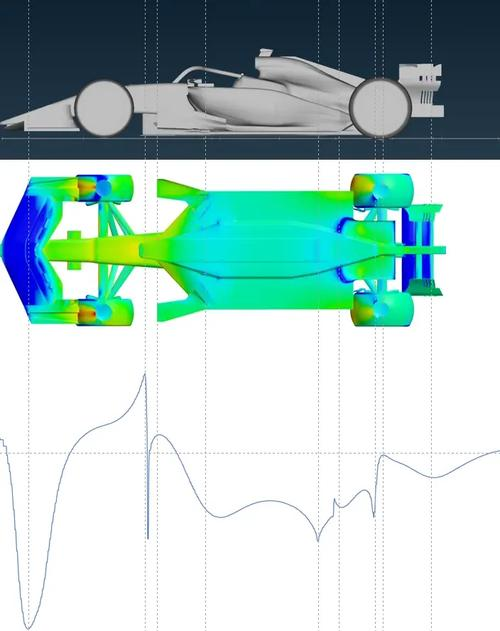
In the 1960s, the use of wind wings in f1 cars began, leading to a general increase in the speed of f1 cars, but the lack of adequate safety for the use of wind wings in the fleets followed by an increase in accidents, and the 1970 f1 rules imposed restrictions on the size and application of wind wings, which continued to this day。
The downward pressure of the car-fixing wing varies from one angle to another, and the front-wing angle is directly related to the track, because the air resistance and the downward pressure are inversely proportional. If the wind-wing angle is small, the air resistance of the car is small, the maximum speed is high, but the race-wing lacks pressure and stability; on the contrary, if the wind-fixing angle is large, the drag of the car is high and the maximum speed is affected, but the racing power is strong in the bend. So, depending on the course of the race, the angle of the wind wing setting is different. In general, if the track is straight, like hoganheim in germany and monza in italy, then the angle is smaller; if the track has many curves, like monte carlo in monaco, the angle is wider。
Noun interpretation: wind hole
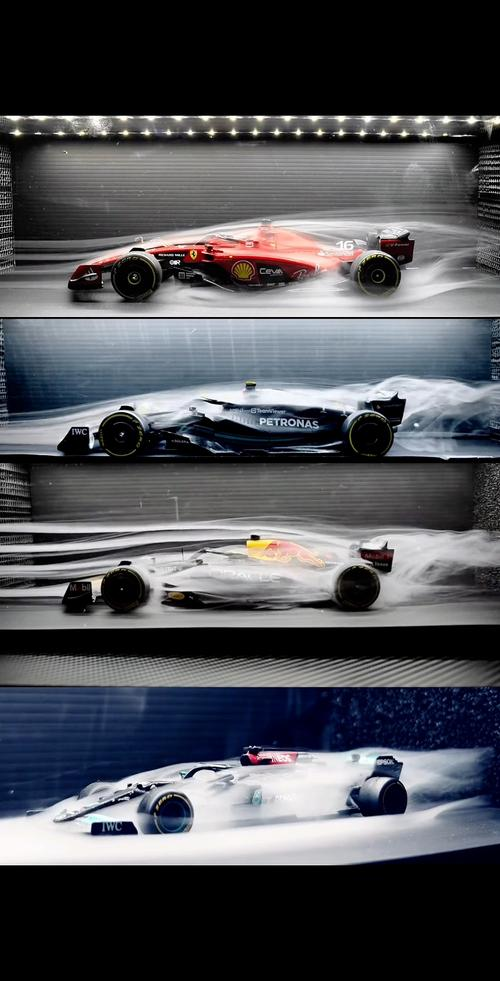
In order to simulate the aerodynamic effects of racing, almost all f1 fleets have invested heavily in the construction of wind holes. In an almost 24-hour wind hole, engineers are studying contradictory elements in themselves, because reducing air resistance inevitably affects pressure and all they can do is find a wonderful balance. “aerodynamics is the core part of racing, and windholes are the most important tool for the development of a high-performance racing car.” in the words of peter sober, the owner of the sorber motorcade, the luxury new wind hole that was used by the sorber motorcade during the 2004 season, is said to cost more than $50 million, while its one-year stoppage would even cost more than it could. While the fia has been limiting aerodynamic research to reduce fleet costs, it has been unable to contain an arms race between convoys。