Nitrogen-fixing microorganisms in soils can transform nitrogen from air into ammonium nitrogen that can be used by animals and plants and play an important role in nitrogen input into terrestrial systems. The nitrogen-fixing effect of nitrogen-fixing is the main nitrogen source in high-flood grassland, where free, non-symbiotic nitrogen-fixing bacteria in soils also play an important role in nitrogen-importing processes, but the diversity of this non-symbiotic nitrogen-fixing bacteria in high grasslands and the mechanisms for building their communities are not clear。
Dr. Wang xiansu, ph. D. Research team, chengdu biological research institute, chinese academy of sciences
The diversity of symbiotic nitrogen-fixing bacteria and the composition of their communities in the high grasslands of central africa have been explored in depth. The study found that soil ph is a major influence on the diversity of symbiotic nitrogen symbiotics in the high grassland, with different symbiotics responding to ph, and that alpha-biodiversity increases as ph increases, and soil ph changes increase the turnover of nitrogen symbiotics. The study further found that the certainty process played a major role in the formation of the communities of nitrogen-fixing bacteria, which showed a spectroscopy concentration across the ph gradient, and a higher spectroscopy concentration of soil ph. In addition to ph, the average annual temperature has a significant impact on the beta-diversity of the nitrogen-fixed spectroscopy. The study provides a data base for studies of nitrogen-fixing diversity in high-crazy grasslands。
The study, which was funded by the national natural science foundation and the china academy of sciences, was published under the title "soil ph is a major driver of soil diazotropic community assembly in qinghai-tibet alpine meadows"
On soil biology & biochemistry (2017)。
Original link
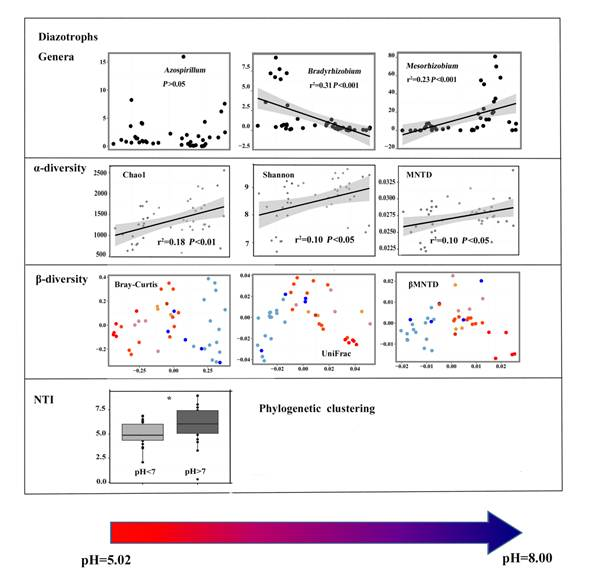
Figure 1 soil ph effects on nitrogen-fixing bacteria composition and diversity