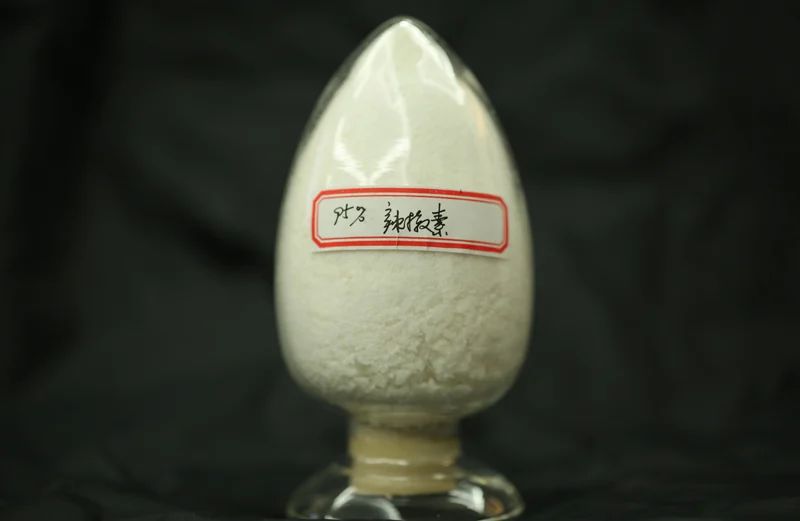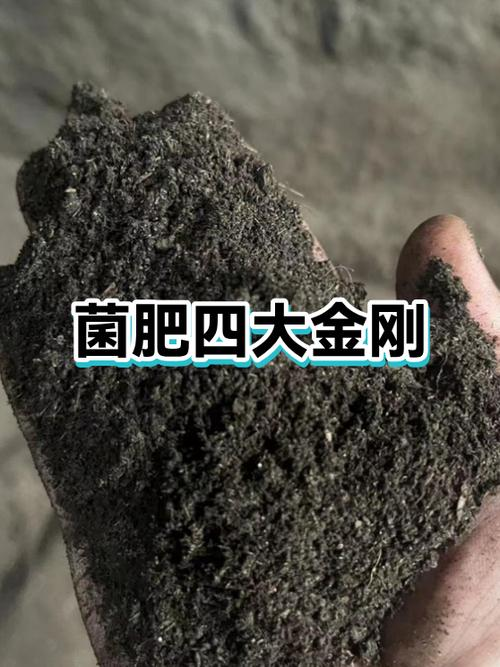
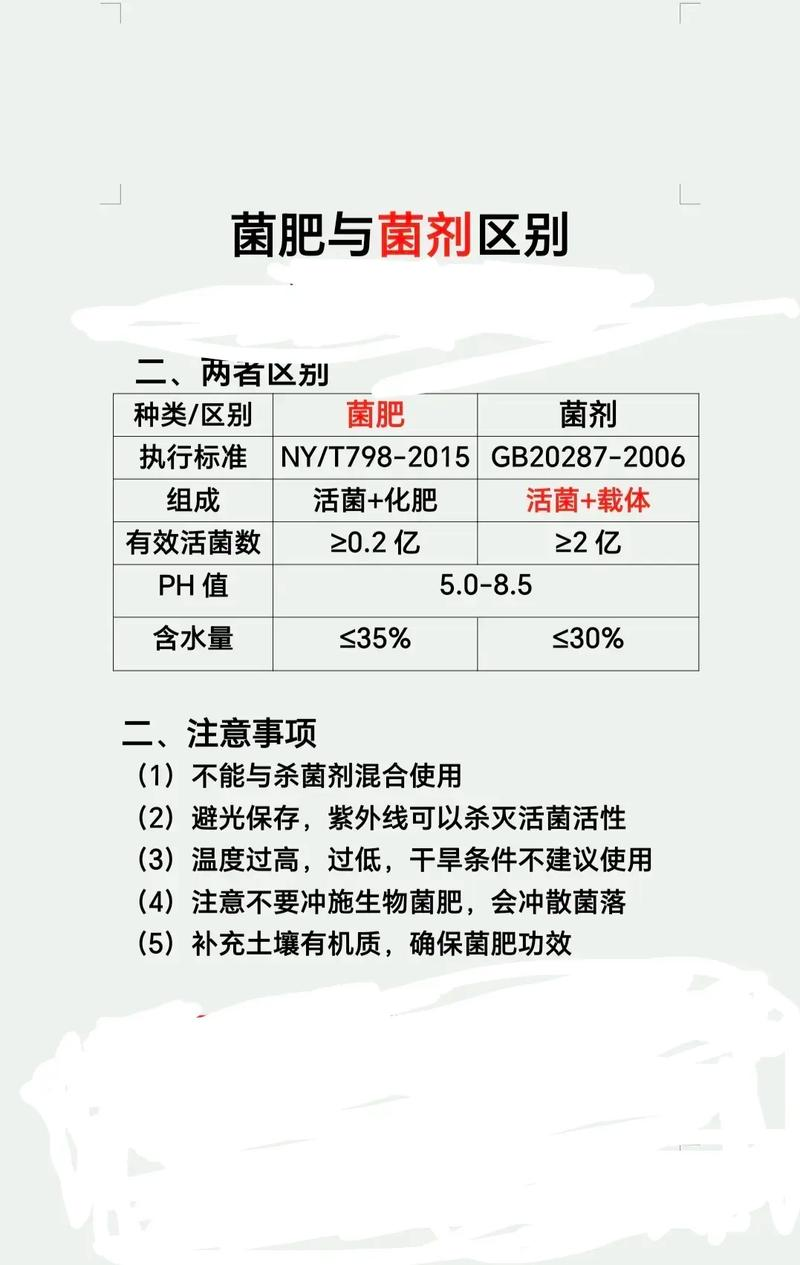
A nitrogen-fixing fungus can only be sequestered or effectively sequestered with plants, and nitrogen-fixed ammonia can provide a direct source of nitrogen to symbiotics. Symbiotic nitrogen fixation is dozens of times more efficient than self-generated nitrogen fixation systems. (a) the tumour symbiotic symbiotics of bacteria and legumes, mainly of the rhizobium, and of the frescoccus symbiotics of non-leaving plants; certain blue bacteria are symbiotic with plants, such as algae or symbiotic algae and nudite symbiotics, and red symbiotics. (b) the development of self-generated nitrogen-fixing bacteria under experimental conditions, with carbon sources (e. G., sugar cane, glucose) and small inorganic salt in the culture base, without nitrogen sources, which can directly use nitrogen (n2) in air as nitrogen nutrients; nitrogen nutrients are needed for the cultivation of root tumors, since co-inherited nitrogen symbiotics such as tumour bacteria can be used for nitrogen fixation using molecular nitrogen (n2) only if they are symbiotic with the corresponding plant. Azotobacterspp. Is an important microbial resource for biological nitrogen fixation, with a view to improving the soil's effective nitrogen, its nutritional cell size, its blunt form, its intolerant dryness, and its susceptibility to death, which is part of the microbial fertilizer category, so that its special effects and development prospects are similar to those of microbial fertilizer. Here's to understand the special role of microbiological fertilizers: the role of increasing fertilizer utilization. The use of microbial fertilizers in combination with fertilizers, based on crop types and soil conditions in the country, ensures increased production, reduces fertilizer use and reduces costs, while improving soil and crop quality and reducing pollution. Role in green food production. First, to protect and promote the growth and quality of the object of application; and secondly, not to create and accumulate harmful substances from the object of application; thirdly, there is no adverse impact on the ecological environment. The role of micro-organisms in environmental protection. The production of microbiological fertilizers using the specific function of micro-organisms to decompose municipal waste and agricultural waste is an economically viable and effective way. It also improves the quality and maturity of composting. Microbiological fertilizers are also used as soil purification agents. %, combined with plant slime, mineral embryos and organo-gels, can improve the structure of soil mass particles, enhance the physical performance of the soil and reduce the loss of soil particles, and, under certain conditions, can also participate in the formation of decomposition. The application of microbiological fertilizers thus improves the physical properties of the soil and contributes to increasing soil fertility. Because of these characteristics, biobacterial fertilizers have a wide potential for development. The role of micro-organisms in agriculture is increasingly recognized. More than 70 countries have produced, applied and promoted microbiological fertilizers internationally, and there are currently 250 enterprises producing about hundreds of thousands of tons of microbiological fertilizers annually for production. While this is not comparable to the production and use of fertilizers during the same period, it has indeed begun to play a role in agricultural production, with some economic and social benefits, and has begun to form the stage of formal industrial production. As the need for further research and applications continues to expand the development of new varieties, microbiological fertilizers have now evolved: (1) conversion from soybean to non-bean crop fertilizers; and (2) conversion from single to composite biofertilizers; (3) conversion from single to complex bacterial species; (4) conversion from single to multifunctional functions; (5) conversion from non-breeded to sembles. Moreover, over the past two decades, many countries have become more aware of microbiological fertilizers as living microbiological agents, the quantity of their beneficial microorganisms and the robustness of their life activities are key to quality and one of the key to the application's effectiveness. To that end, many countries have established industry or national standards and corresponding institutions to check product quality. It has also established standards for the ministry of agriculture and a microbiological quality detection centre, and in 1996 it officially registered, tested and issued production permits for microbiological fertilizers. So what steps are required for the production of nitrogen-fixing bacteria? First, there is a need for primitive bacteria. It can extract the root tumors from the soil of a much larger plant because
From the web www. Taodocs. Com, please indicate where.