Finding the curriculum is just the beginning, and the real hard part is to read it and get it started. You can't even find the back of the website when you're working on it. That's normal! What do we do? Shit! Drag the video strip back and look over and over. He clicks on which tab, where he moves the mouse, and you follow it to your backstage. At this point, a 0. 5-fold playback is used without losing any detail. Can't you read it? Then copy the word in the video, like "301 re-directed" and search it 100 times to see how it's described. I can't read the text. Three or four different sources to understand the same knowledge point. You'll understand。
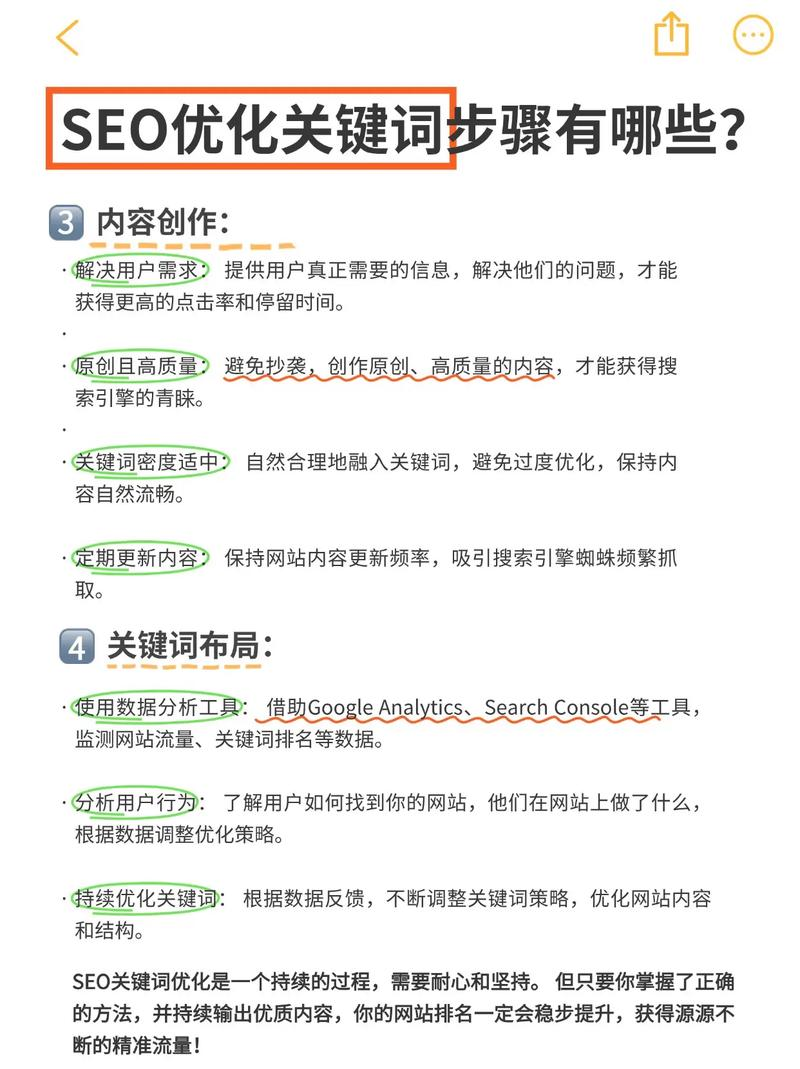
Got it, do it now! Now! Look at how to set up the tdk! After reading the inner chain, find two related articles and link them to each other. The seo's knowledge point is very trivial, and it's clear to me that the video will be forgotten as soon as it closes. Only the muscle memory that your hands actually clicked, entered, saved backstage can really help you remember. Even if you've done it wrong for the first time, and you've messed up the page, this "mistake" process is worth 10,000 times more than "perfect" watching 10 videos. If you're wrong, you get it back and do it again until you're right。
It's the magic mirror. It's the whole problem. You've done a keyword layout according to the curriculum, but the article is not recorded. You did the outside chain, but you're standing still. Don't be discouraged. The problem is your best teacher. Take the word “no-in”, “no-action” as a new keyword and then search and learn. You will find that it may be because the website is so new that it needs to be more submitted; it may be the quality of content that is not good and needs to be rewritten; it may be the quality of the outer chain that is so poor that a better platform is needed. This cycle of “problems-search-learning-solves” is where no fee-paying course teaches you your core competencies, and from being an imitator of a curriculum to being a true seoer。

And here's to one of the benefits of the seo network. Many of its tutorials, such as those that speak of "second row stations" or "brand screens", although the title appears exaggerated, mention a lot of specific tools and operational details, such as what plugs are used and how codes are modified. When you learn the theory elsewhere, you can go over it and use it as a tool dictionary and casebook to see how other people deal with specific problems in their field of action, which often gives you an open mind。
Stick to the record, don't trust your brain. Prepare a notebook, or build an online document. Which pages have been retitled today and which chains have been posted tomorrow, and all are recorded. One month later, taking into account 100-degree statistics or google analytics data, you look back and see what changes have been made by these operations. Is that an increase? Or did the ranking of a keyword actually rise? Data doesn't lie. It is only by recording and repeating that you can truly know which operations are effective and which are in vain. This record book is the most valuable method of “real warfare” when you optimize your own website in the future, even for your client。
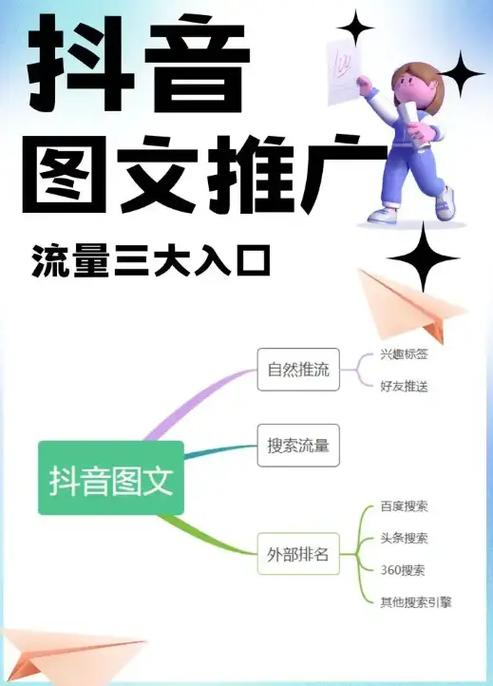
In conclusion, seo has no magic secrets, but a lot of details to do. Free video tutorials give you all the drawings, but you have your own website from nothing to nothing, from being built to being perfect, a brick-by-brick construction process that no one can do for you. Believe me, when you follow a self-defeating free-of-charge course and hand-held your first key word to the first page of 100 degrees, you get a much deeper sense of achievement and true understanding than listening to any master's fee-paying course. So, turn off the answer, and now find a lesson and start your first operation