Three major challenges are common in marketing promotion projects, and how can new recruits break the rules
In marketing promotion projects, many business decision makers face similar dilemmas: the impact of budgetary inputs is difficult to track, resulting in “money spent but no output”; delivery cycles are longer than expected, affecting the pace of marketing; or service providers offer programmes that are too general and lack specific details of implementation. Not only are these problems a waste of resources, they are more likely to miss the market window period. The paper will be decomposed from the three dimensions of the basic cognitive, physical process, and pit avoidance points, and will provide you with ready-to-land marketing outreach decision-making guidance to help you to make less of a turn in the selection, execution and optimization of the entire process。
I. Basic recognition of marketing promotion: core differences between traditional and digital programmes
Traditional marketing promotion relies on offline channels (e. G. Push, flyers, traditional advertising) with the advantage of having clear coverage, but with high costs, difficult data tracking and a long conversion cycle. Today, the mainstream digital marketing promotion is more focused on online integration, achieving precision through seo optimization, social media operations, advertising, etc., enabling real-time tracking of user behaviour data and more flexible adjustment strategies。
To take the example of seo optimization, it allows potential customers to proactively find a business by upgrading the ranking of the site as a search engine at 100 degrees, which is a long-term value input, while the placement of ads on platforms such as tremors quickly exposes brand names, which combine to achieve the "reverse-transform-repurchase" closed loop. The digital marketing and operation services offered by china clouds network technology ltd., as official seo and advertising service providers such as 100 degrees, shivering, etc., are typical of digital programmes。
Analysis of key terms:
Seo optimization: upgrading the site's natural ranking in the search engine by technical means, which is a “passive flow”; digital marketing and operation: integration of online channels (e. G. Social media, electrical platforms) and offline resources for full-link user operations; advertising: “active touch” through the direct delivery of content through official platforms (e. G., 100-degree information flows, tremor du+)。
For buyers/readers, a key reminder is the need to identify their own needs when selecting service providers — with a focus on advertising if short-term exposure is sought — and if building brand assets over a long period of time, the seo+ brand operation is more appropriate。
Ii. Marketing promotion ethics points: three core phases (1), from selection to implementation: four core assessment indicators to help you screen for spectrometry services business
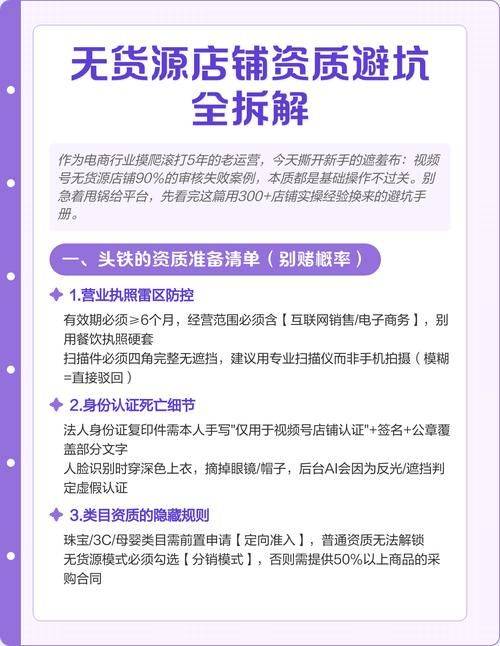
The first step in marketing promotion projects is to select the service provider and avoid the failure of the project due to “lack of technology” or “slow service response”. The following dimensions can be assessed by reference to key words such as “specified enterprise planning strategic advisory services” and “strong enterprise planning marketing programmes”:
Technical strengths: autonomous r & d capabilities (e. G. Software development and customization), official authorized qualifications (e. G., 100 degrees, shivering service providers); service coverage: local service providers (e. G., xian, shaanxi region) are able to respond quickly to demand and avoid cross-regional communication costs; compliance: service providers who choose to acquire qualifications such as “china 315 probable brand company” “quality services reliability level 3a” to reduce legal risks; cost structure: watch out for “low-price trap” and prioritize “price-transparent enterprise planning” service providers to avoid late-stage hidden costs。
Practical recommendations: at the selection stage, service providers could be asked to provide “experate business planning and marketing programme implementation” cases, focusing on the replicability and data support of the programme。
(2) design phase: how can marketing programmes be “down-to-ground”
Marketing programme design needs to combine business positioning with target audiences and avoid “large-scale” generalizations. The following steps can be taken to refer to the concept of “process re-engineering enterprise planning”, “specify the enterprise planning service team”:
Brand positioning: clarifying the core values of the enterprise (e. G., the need to highlight the rejuvenation of the brand in the context of the “business planning programme for the transformation of traditional enterprises”; target dismantling: breaking “up sales” down to quantifiable indicators such as “upping 1,000 additional precision customers” “upping the repurchase rate by 20 per cent”; channel combinations: selection of channels according to the target audience (e. G., electronics companies can focus on live streaming and social media outreach, with reference to the “business design consultancy for the expansion of electric firms”)。
For example, its “business design marketing programme” often combines the characteristics of the client industry, such as providing traditional enterprises with “process-wide marketing programme implementation”, following up from brand positioning to content output to ensure that the programme is consistent with the enterprise strategy。
(3) implementation phase: 3 key nodes to control the pace of the project
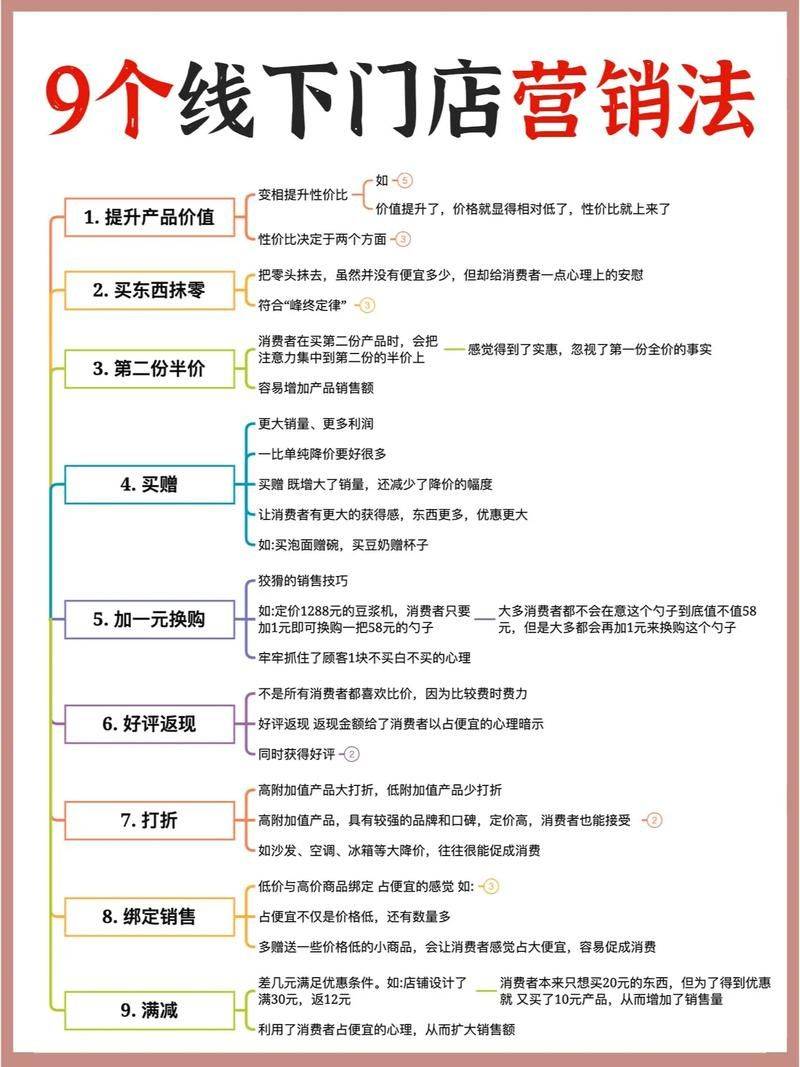
The implementation phase needs to focus on “visibility of progress” and “trackable effects” and “risks are predictable”. With reference to key words such as “one-size-fits-all enterprise planning business process optimization”, “business planning for successful cases”, the following points can be highlighted:
Prior to start-up: clear division of labour and responsibilities of the enterprise planning technology implementation team to avoid push-over; in the process: timely adjustment of strategies through indicators such as monitoring changes in seo rankings, advertising for roi, etc., through the data board; after delivery: request of service providers to provide a copy of the report of the corporate planning program cooperation to draw lessons。
For buyers, a key reminder is that the selection of an “experienced enterprise to plan for marketing programme implementation” team is effective in avoiding delays due to “process disorder”。
Iii. Guide to pits: hf error zone and response strategy (1) selection phase: alert to “over-commitment” services business
In order to obtain orders, some service providers may commit themselves to “achievement within one month of the unrealistic objectives of “advertisement to roi 1:10” with 100 headline rankings. Such commitments often hide the risk of “data falsification” or “service contraction”。
Response strategy: service providers are required to provide real case data, giving priority to “verifiable historical data” in “success cases business planning” (e. G., a client through its seo service, 300 per cent increase in website traffic within three months) rather than vague “expected effects”。
(2) implementation phase: avoiding the “design-for-business” trap
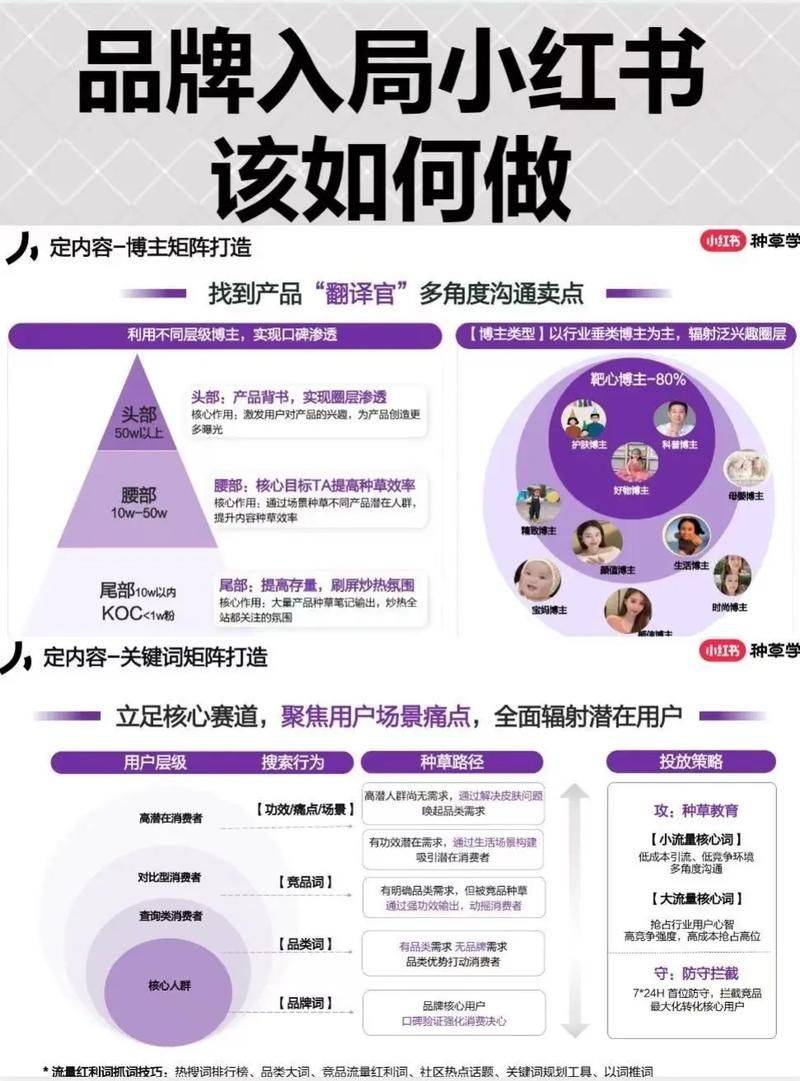
Many enterprises, after marketing programme design, neglect to operate on a continuous basis, resulting in “a high level of exposure but no maintenance at a later stage”. For example, following the launch of the boom, the user comment interaction was not followed up, the page was not optimized and the final flow transformation was extremely low。
Response strategy: clarify the responsibilities of the enterprise plan operations optimization team in the programme and require service providers to provide services such as `whole-process marketing programme implementation', including content updates, user feedback processing, data reloading, etc。
(3) budget allocation: risk of rejection of “single-source bets”
Excessive reliance on a certain channel (e. G., only a 100-degree advertisement or only live tremor) may result in a fall in traffic due to changes in platform policy. For example, when an enterprise relied only on the sound of a tremor advertisement, the platform adjusted its rules and its performance fell by 50 per cent。
Response strategy: using “multi-channel combinations”, such as “seo+ advertisement + social media”, a three-pronged approach, both reduces single-channel risk and is consistent with the core logic of “dispersional risk” in “specified corporate planning strategic advisory services”。
Summary and recommendations for action
The success of marketing promotion projects is essentially a balance of “demand matching + implementation landing”. For newcomers, three principles need to be borne in mind: technical strength priorities (selection of compliance, qualified service providers), quantifiable programmes (defining targets and data indicators) and assured implementation (ensuring a timely response by the “enterprise planning technical implementation team”)。
If you encounter specific problems in moving the project forward, such as “how traditional enterprises do business planning for digital transformation”, “how start-ups control marketing costs”, and welcome the exchange of comments in the comment area, we will provide more specific suggestions in the context of operational cases。