Vehicle elevators are an important component of modern transport facilities and their maintenance is directly related to the safety of passengers and vehicles. It is a matter of common concern to both the units using the elevators and the passengers to check that the elevators are well maintained. The following steps will be taken to provide a detailed description of the methods used to test the quality of vehicle elevator maintenance。
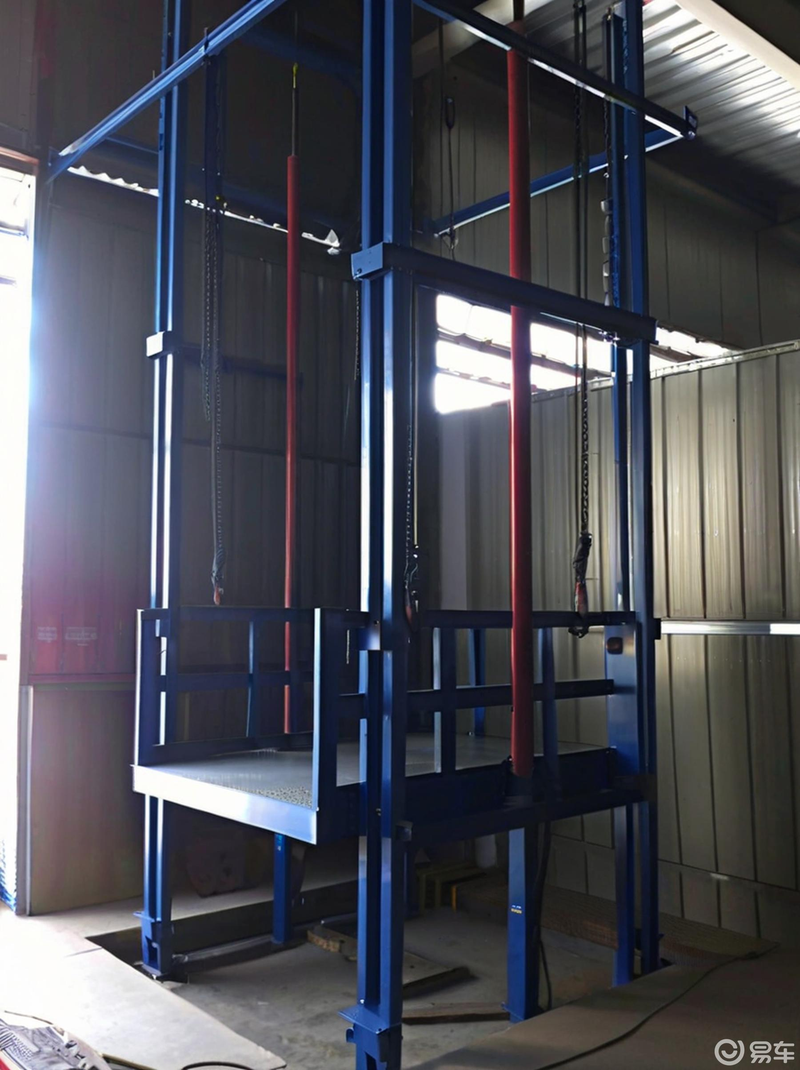
I. Inspection and maintenance records
Title: access to maintenance records and maintenance status of elevators
Maintenance of records is an important basis for testing the good maintenance of vehicle elevators. The following issues require particular attention:
(1) check maintenance cycle: confirm that elevator maintenance is carried out in accordance with the prescribed cycle。
(2) maintenance content: to see whether the maintenance project is comprehensive, including routine inspections, cleaning, lubricating, security device checks, etc。
(3) maintainer: confirm whether maintenance is performed by a professional。
(4) fault management: understanding of elevator malfunctions during use and handling。
Appearance inspection
1. Title: observation of elevator appearance and identification of potential problems
Appearance checks can help us to identify some of the obvious problems with elevators, with the following areas of focus:
(1) cars: check if the interior decorating, flooring, arming, etc. Are in good condition, broken or not。
(2) gate system: to observe whether the elevator door is open, whether the gap between the doors is even and whether the door tracks are oily and dusty。
(3) steel cord: check if the surface of the wire is smooth and there is no wiring or wear。
(4) wellway: see if there are any miscellaneous items inside the wellway, whether walls, tracks, etc. Are clean。
Iii. Functional testing
1. Title: performance of functional tests to ensure that elevators function properly
Functional testing is a key step in checking the quality of vehicle elevator maintenance and includes, inter alia, the following:
(1) operation test: take an elevator and feel if the operation is smooth and there is an abnormal sound。
(2) gate system test: observe the speed and strength of elevator doors and the sensitivity of door safety boards。
(3) buttons, indicator light tests: check if the elevator buttons, indicator lights, etc. Are working properly。
(4) safety device testing: simulate an emergency, check the normality of emergency stop buttons, overloading protection devices, etc。
Iv. Professional equipment testing
Title: in-depth testing of elevator performance using specialized equipment
Using specialized testing equipment, the quality of vehicle elevator maintenance can be assessed more accurately. The following projects need to focus on:
(1) steel cord tension detection: use of a tension detector to check that the steel cord tension is even。
(2) elevator velocity test: use a speed detector to detect whether the elevator is operating at a standard rate。
(3) elevator vibration detection: use of vibrating detectors to detect vibration during elevator operation。