The new physics began in the second year, and the acoustics and measurements are relatively easy to understand. Starting with optical science, many of the classmates began to check。
Think about it. What's the physical model that gives you a headache in junior high school
Some think of buoyant pressure, others think of circuit analysis, but in all the focus types, “crumb mirror imaging” is absolutely a place for the examination, and it is a question for the examination in the provinces and municipalities. How do you learn how to make a lens
Level 1 reread table
The first level of learning the lens image is to remember the pattern, which generally includes such a table。
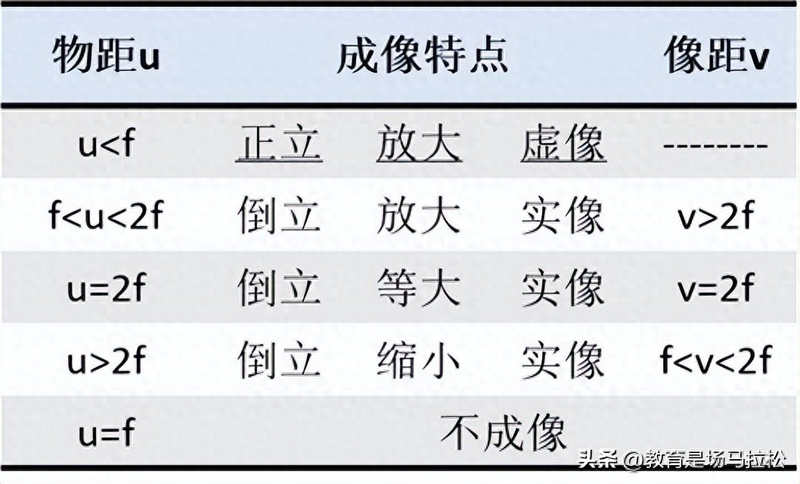
And of course, it'll work with the memory:
Version 1
Double the focal lengths, double the focal lengths, and all the images are upside down and all the false images are standing。
Version 2
The object is outside the diagonal, it's like upside down and small. The object is at focus, it's like upside down. The object is in the diagonal, and the image is positive and large。
00:40 hours
The second floor will draw a light map
The second level of learning cam lens imaging is learning to draw a light road map to explain the principle of imaging patterns。
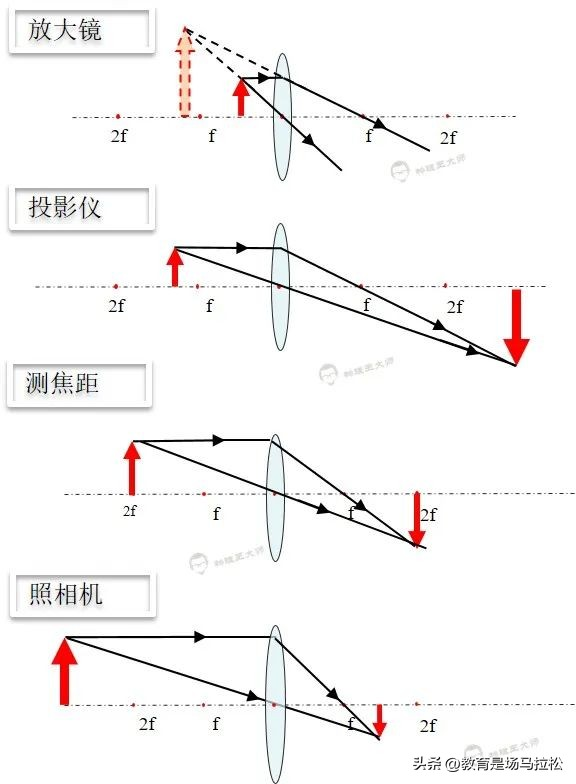
It may be said that drawing a light road map is too time-consuming to be practical. In fact, when you draw more, the pattern of imaging is in your head。
Level 3 dynamic imaging patterns
The third level of learning the lens image is mastering the dynamic problem. So-called “dynamic”, that is, the movement of objects and images。
Dynamic question 1 -- objects are much larger, objects are much smaller。
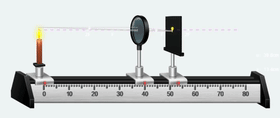
Loading video...
This sentence means that when the convection lens becomes tangible, when the object moves in a direction close to the lens (reduces the distance), the point of a clear image is far away from the lens (larger range) and the image on the screen becomes larger. On the contrary, when the distance becomes larger, the distance becomes smaller, and the image becomes smaller。
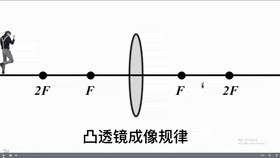
Dynamic question 2 - big steps, small steps
This sentence means that when the screen is like a back-up magnified image, the like (or screen) will move at a faster rate than that of the object and, conversely, the back-down image will move at a slower rate than that of the object。
Dynamic issue 3 — combining lens issues
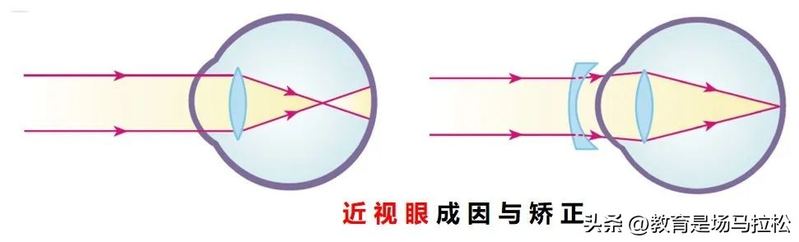
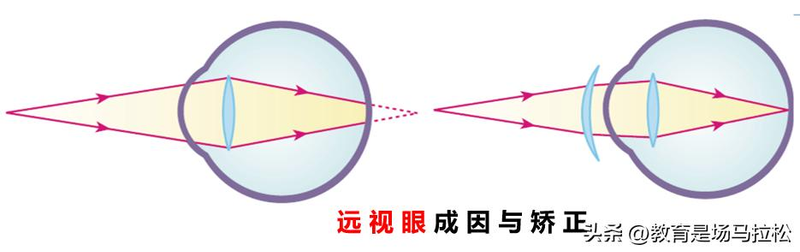
When there's a clear image on the screen, and there's another cam lens in front of the cam, and the screen needs to move like that to get a clear image
This could be considered by adding a contour lens, which would be equivalent to increasing the contour capacity of the contour lens vis-à-vis the light, so that the total focal length of the contour lens is smaller and the imaging point is more forward, so the answer is to move the screen in the direction closer to the lens (like the formation of the distant eye)。
On the other hand, if another dimple is placed in front of the cam lens, the screen will need to move away from the lens in order to re-establish a clear image, as it reduces the combination lenses ' ability to gather together and is more backward (like the formation of a near-sighted eye)。
Other issues
Blocking the problem: covering the convection mirror, the image on the screen remains intact and the brightness becomes dark。
Exchange problem: when a clear image is on the screen, the object and the screen are exchanged, a clear image is still available on the screen, the rationale being that the light is reversible。
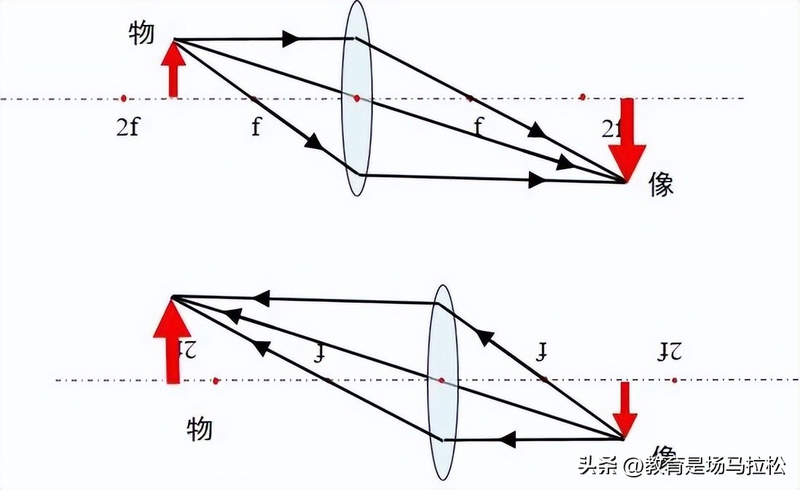
3, mass range u, pictogram v, focal length f, relationship: 1/u+1/v=1/f, and +v≥4f
If you don't get it straight, forward it to the collection。