"scientific is right next to you" "to do these simple, interesting little experiments and to reveal the secrets of everyday life!"
Hey, guys! Do you think science is a long way away from us and requires professional instruments, complicated formulas? In fact, science is in our daily lives, and if you're willing to try it, you can find many interesting scientific phenomena. I'm here today to share some simple and interesting science experiments that will make you a science man at home, and to easily reveal the secrets of life
Magic “floating” eggs — the secret of salt water
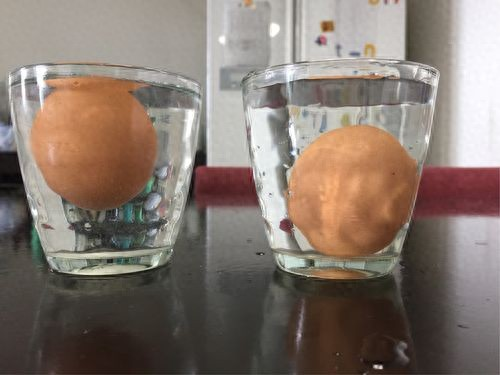
Did you ever put eggs in the water and it sank? If you add salt, will the eggs float? The answer is, yes. It's because the salt water is getting more dense。
How:
Prepare a bowl of fresh water, add lots of salt, mix it until the salt is fully dissolved. Then put the raw eggs gently into the salt water and see if they will float。
Why
The more dense the water, the easier it is to float the eggs. When salt water is more dense than eggs, eggs float. It's actually using the principle of poor density, and many of the floating phenomena in life are associated with it。
“rainbow milk” — the magic dance of colour
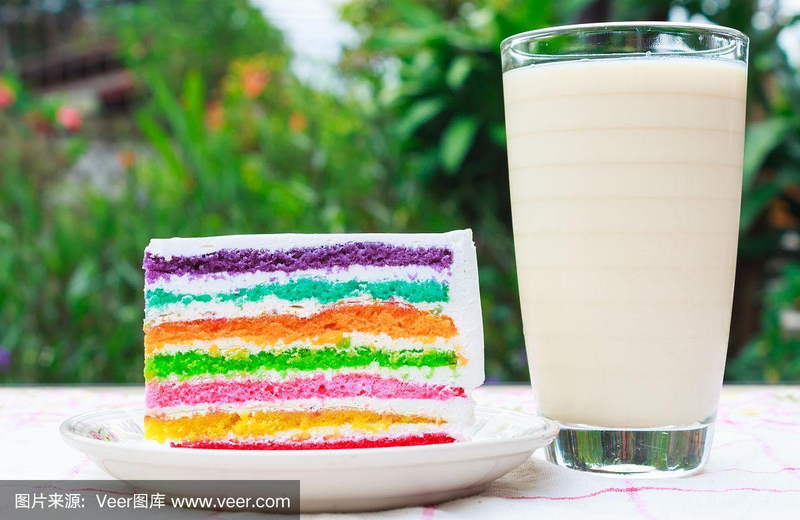
It's a super cool colored experiment. All you need is milk, color and detergent to see the rainbow dance in milk。
How:
Pour some whole milk on the plate and drop a few drops of colored edible pigment on the milk surface. Then, a little laceration with toothpicks, a little touch on the surface of the milk, and the color will spread like magic。
Why
Milk contains fats and proteins and detergents can damage fat molecules, leading to changes in surface tension and the rapid spread of pigments in milk, creating beautiful colour patterns. This is actually the interaction between surface tension and milk。
“suction” — the mystery of air pressure
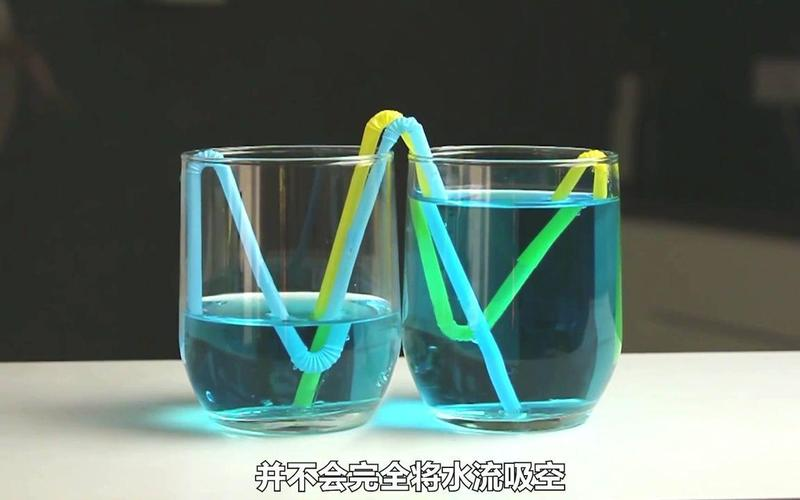
Did you ever use a straw to suck water? Why did you take a breath? It's air pressure to help
How:
Prepare a glass of water and a straw, insert it into the water, suck it in your mouth, see if it's inhaled。
Why
When inhaled, the air pressure in your mouth went down, creating a much larger negative pressure than the outside world. The outside atmospheric pressure pushes water into the straw. That's the magic of air pressure
"colour flames" - flame colours of different elements

You want to know if the flames can turn into different colors? It's actually because different elements burn with different light。
Simple approach:
Common elemental salt, such as copper salt (green flame), sodium salt (yellow flame), potassium salt (purified flame), etc., is used to ignite and observe changes in flame colour。
Note:
When doing this experiment, be safe in a well-ventilated place. It's best to be accompanied by adults。
“the magic paper” — water-sorting on paper
Did you notice that the money gets wet when it touches water? It's because of the paper structure and the water-absorption nature。
Try:
Put it on the water and watch its changes. Or drop water on paper, see how it spreads。
Rationale:
The paper consists of many fibres, which have many gaps and absorb moisture. And that's why paper towels are used to wipe things。
Summary: science is simple
These little experiments can be easily handled at home, without any special tools, but they can give you the magic of science. In fact, science is everywhere, and as long as you look at it with your heart and try it, you find that there are so many wonderful scientific secrets in life。
Last little tip for you:
Safety first: be safe during experiments, especially with fire and chemicals, accompanied by adults。
Many hands, many observations: experiments need not be perfect, but it is important to understand the rationale behind them。
Share your results: after the experiment, you can take a video or photo and share your scientific findings with your friends