What's your favorite of the top ten architectures? # read the art, 22 things #
Frank lloyd wright once said, “construction is the mother of art. Without our own architectural style, we have no civilized soul."
For a certain period of time, particular architectural styles have evolved and, as cultures have changed, various styles have been integrated or drawn upon, or, conversely, have deliberately contradicted previous ideas。
Some have used entirely new ways and means, while others have revisited previous styles. However, each rebirth of style is different from the original and reflects the needs of the era in which it finds itself and the upgrading of technology。
Ancient egyptian style
Whether built for the dead or the living, the ancient egyptian buildings place great emphasis on the harmonious relationship between the building and the surrounding landscape。
During the time of ancient and central kingdoms (first 2600 - first 1800), the pyramids were built as pharaoh graves. The most spectacular of these was the great pyramid of giza, which was built for pharaoh huf。
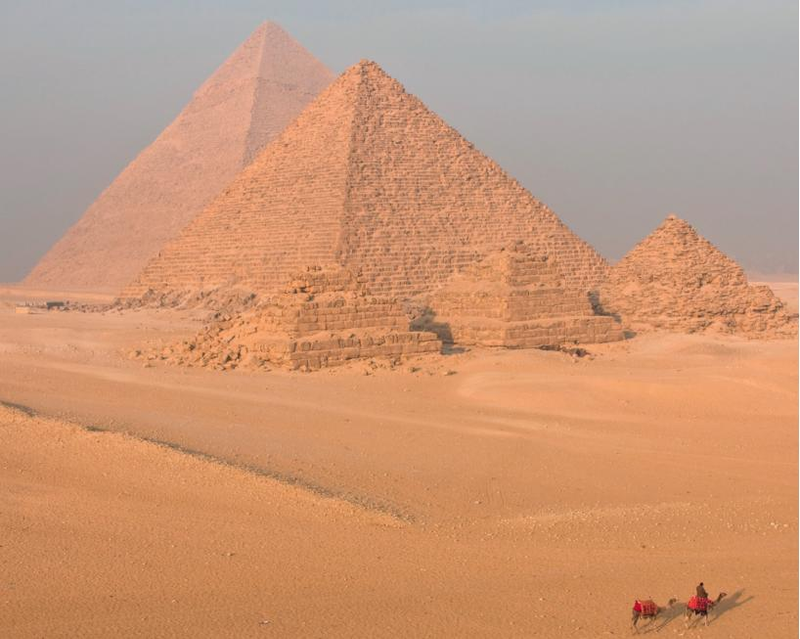
Great pyramid
The pyramid's high-formation symbol reaches the gods and forms a powerful image of the earth. These huge buildings are well built, and huge stones are so connected that even blades cannot be embedded。
The blocks were placed together with ash, the entire building was wrapped in white limestone and covered with gold on the top. Inside the pyramid, the narrow passage leads to the royal tomb。
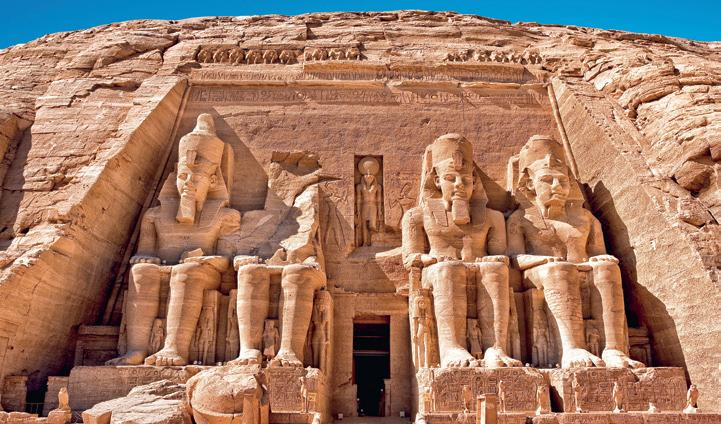
Abu simba temple
The egyptian temples gradually evolved from small shrines to large complexes, to the period of the new kingdom (about 1550 - the first 1070), where they developed into huge stone structures, including halls and courtyards。
Ancient greek style
From approximately 850 b. C. To 600 b. C., ancient greek civilization flourished on the greek mainland, the beloponnesian peninsula and the islands of the aegean sea。
By the fourth century bc, ancient greek architects and quartzers had developed a relatively well-developed system of rules for all types of construction。
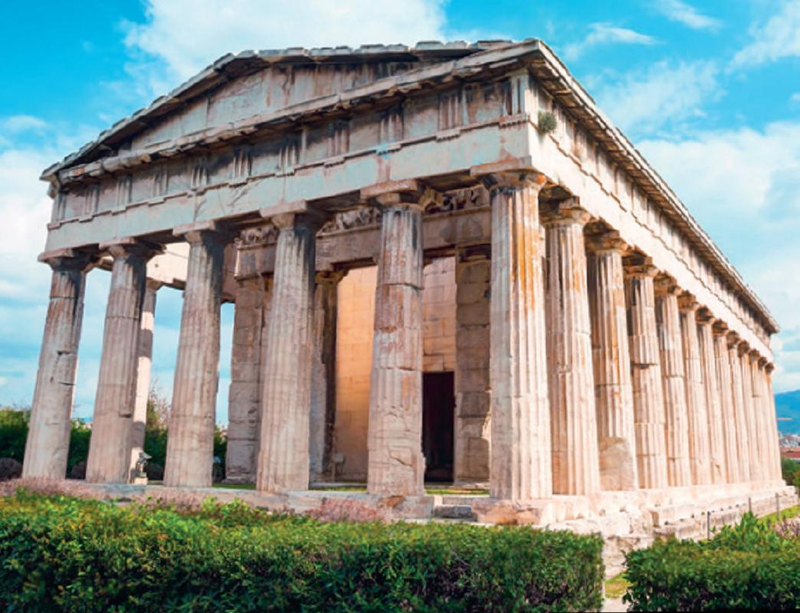
The temple of hephaistus
There are three common columns: the dolik column is relatively coarse; the ionian column is more condensed, with four scrolls tattooed at the corner of the pole; and the corinthian column is the most gorgeous, usually carved with a tiara and accompanied by four scrolls, or decorated with a leaf or a palm leaf。
The most important buildings in ancient greece are temples and theatres, which use complex patterns of vision combined with balanced proportions。
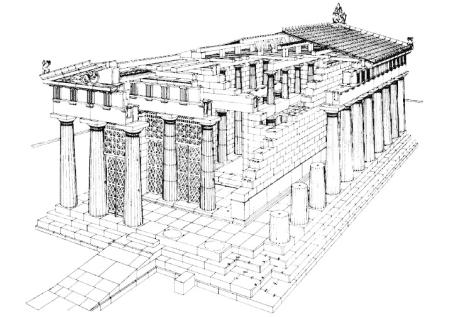
The temple of afaya view
From 550 b. C. To 404 b. C., the acropolis was built on a mountain in athens, where buildings represented the culmination of the achievements of ancient greek buildings, including the temple of patnon, the gate of the city, the temple of ericktion and the temple of athena victory。
Byzantine style
In 330 bc, emperor constantine moved the capital of the roman empire to byzantine and named it constantinople (now istanbul)。
Constantinople is an important part of many trade routes. Byzantine architects have integrated the roman elements with the eastern elements, spreading and developing their architectural ideas, gradually appearing in parts of italy, syria, greece, russia and small asia, often in churches with domes, arches and tipping points。
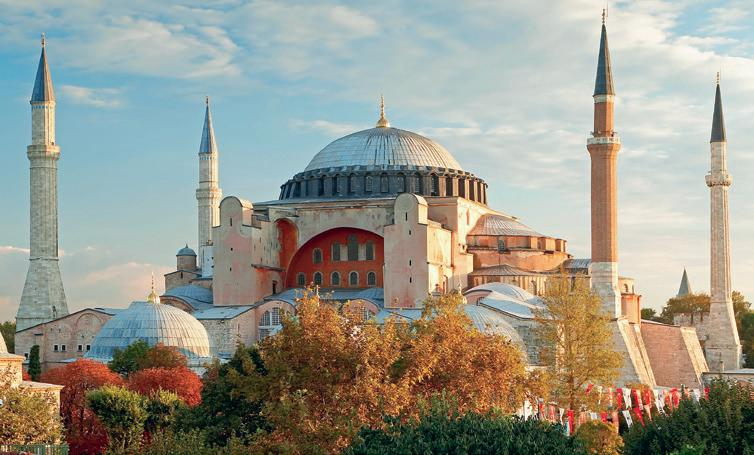
St. Sophia's cathedral
One of the most unique elements is the dome attached to the base of the square by two means: the inner arch, with the drums on each side, which intersect at the top; and the arch invented by the byzantines, which makes vouchers on the four sides of the surface, forming a triangle。
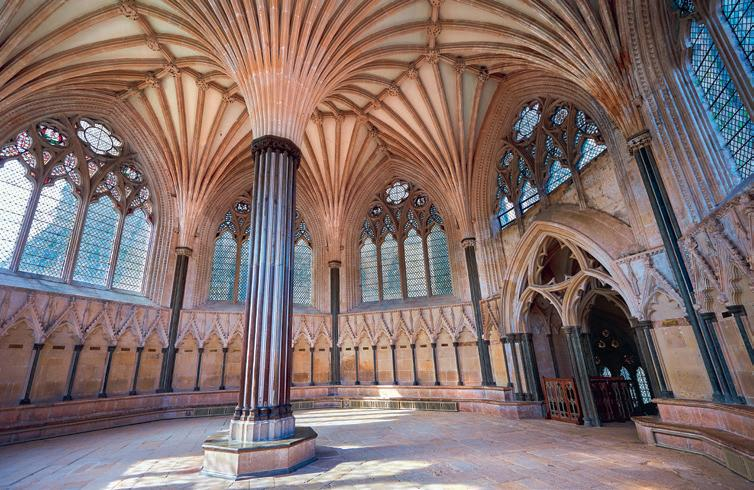
The arch of the welsh cathedral
Byzantine buildings usually use marble pillars, grid ceilings and gorgeous decorations, including extensive use of marseilles. Later, the ancient greek crucifix structure (the cross with equal lengths) became an important form of the byzantine church。
Gothic style
The gothic style began in 1140, when the dean of the monastery, rehos, built a new singing building for the monastery of st. Dennis。
The diarrhea has recorded sacred light in the new church in the building space, creating a sense of piety among believers about the building space. He used sharp arches, cross arches and huge window windows in the building elements。
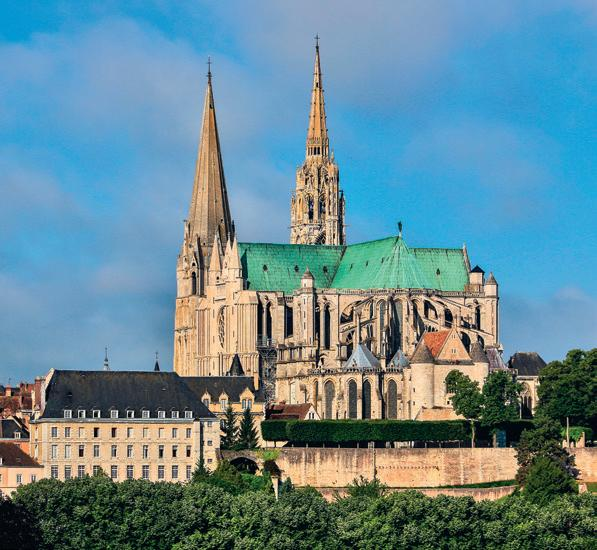
The thal cathedral
The flying wall is one of the most famous engineering achievements of the gothic architecture。
It is a large arch structure outside the building, which supports and effectively spreads the burden of the high ceiling。
The flying wall of campus
The dome structure and the stone-coloured window, which fill the monastery with glamorous light and colour, all of these building elements continue to affect the church style of construction for more than three centuries。
Paladio
This architectural style, known as the paradio style, is named after andrea paradio, an architect during the italian renaissance period, and has been popular in europe and the united states from the seventeenth to the nineteenth centuries。
Paradox behaviour varies slightly from country to country, with elements often found in churches, palaces, rural houses and civilian buildings, with a profound impact on local buildings。
Chiswick house
The porch is a prominent element, with the classic outer surface providing a full view of the interior, emphasizing the balance between space and stereostructure。
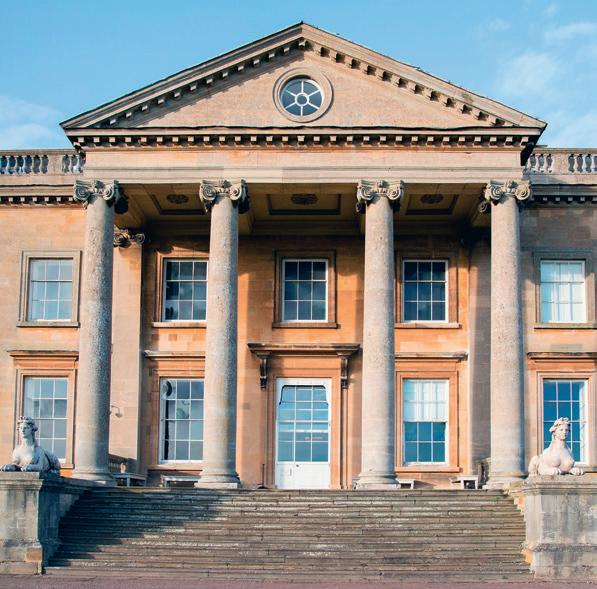
The paladio-style chloem estate, with a prominent ionian four-pillar porch on its south side
In the united states, the paladio style was the dominant style of public buildings until the 1930s. To this day, many buildings continue to follow paradio's design philosophy of planning and proportionality。
New art sports style
From the beginning of the 1990s to the outbreak of the first world war in 1914, the styles promoted by the new art style are popular in many countries。
It is a relatively short but highly influential artistic movement and design concept。
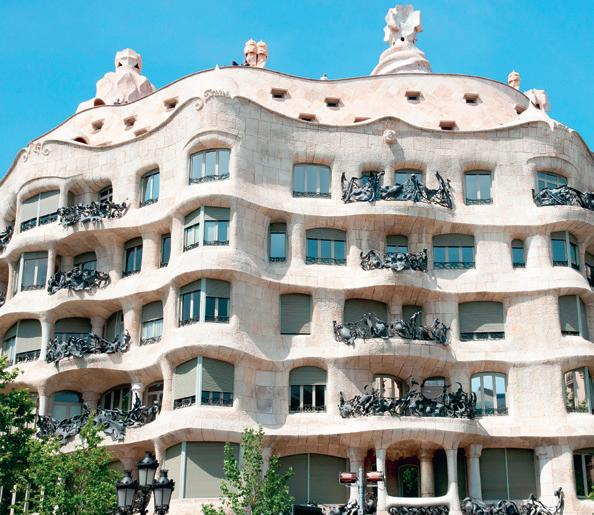
António gordy designed the mira apartment. Gordy is spain's most famous modernist practitioner
New art styles flourish almost simultaneously in europe and the americas, trying to create expressions that are unique and modern。
Architects and designers focus on natural forms, asymmetries, free curves and parabolic lines and aim to move away from the overdecorated styles that prevailed during the victorian era and from the reproduction of various historical styles。
Decorative arts
Although decorative art ended at the beginning of the second world war, its influence remains. Its elements are deeply influenced by ancient egyptian, ancient greek, ancient roman, african, aztec and japanese styles, as well as by futureism, stereotyping and boehaus。
As a central expression of glamour, vitality and modernity, architectural features of decorative art include cylinders, walls, arches and tipping points, with strong geometry。
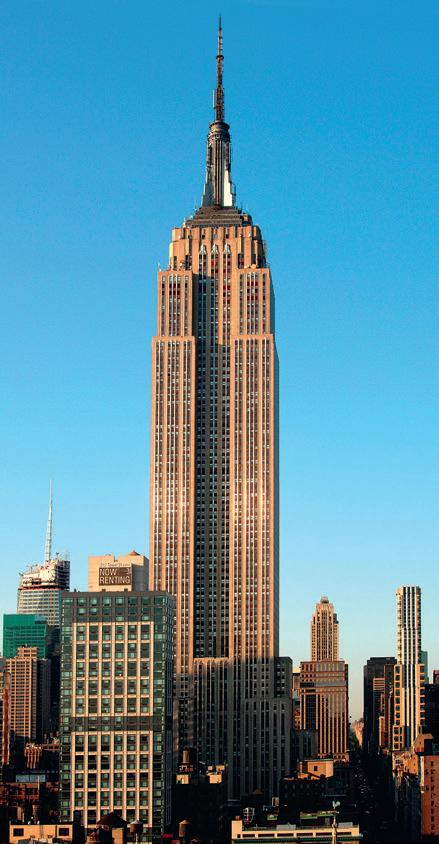
Empire state building
The art of decorative art was initially used in public and commercial buildings and was then used in residential buildings, usually with crooked walls, arches, bright windows, draughts and large windows。
The style of decorative art has evolved into a current or modern art style with a more streamlined aesthetic style。
Modernist style
At the beginning of the twentieth century, modernist architecture began to emerge around the world, abandoning decorations, promoting extreme simplicity and using modern materials。
Inspired by such movements as the craft arts movement, the new arts movement, the chicago school of sciences, the vienna workshop and the german manufacturing union, modernist style was first developed in europe, focusing on the concepts of functional excellence, material integrity and decorative circumvention。
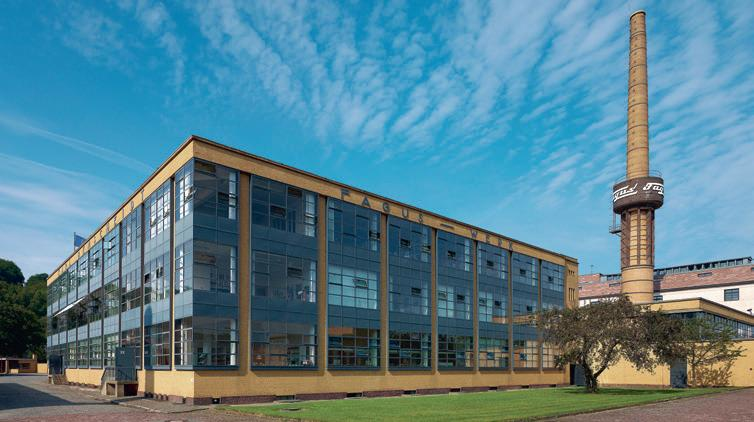
The fagos factory in alfield, germany, with extensive flat windows and an enhanced horizontal straight look on the outer wall
Modernism peaked in the 1920s and 1930s, in line with the bauhaus style and international style, characterized by asymmetries, flat roofs, large windows, metals, glass and open interior designs。
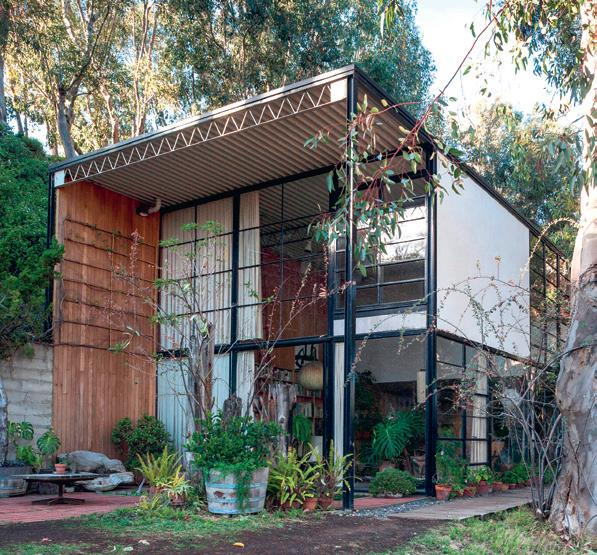
House of ames
Organic architecture style
Frank lloyd wright created the term “organic architecture” to describe buildings designed to be compatible with the surrounding environment。
In wright's view, construction should be the product of a particular time and place, closely linked to a particular environment, rather than giving it the imposed, artificial style。
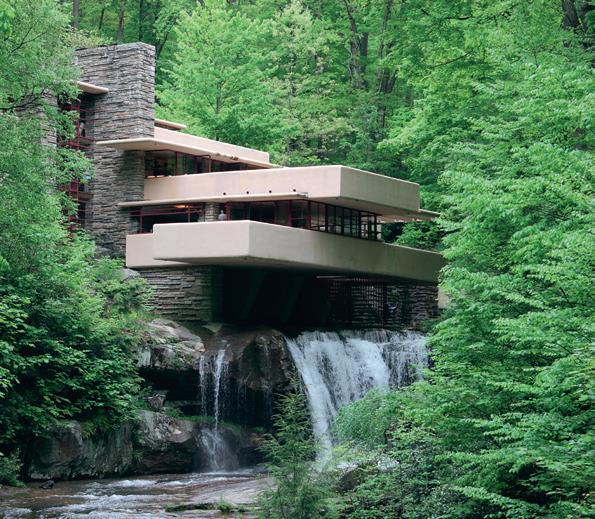
The watery house reflects the organic building principles of wright
Wright believed that materials used in buildings should not be disguised and that indoor space should be as open as possible。
He advocated the use of new technologies, machinery and materials in architecture, a natural and modern integration, and his very personal and creative design, which produced outstanding architectural works。
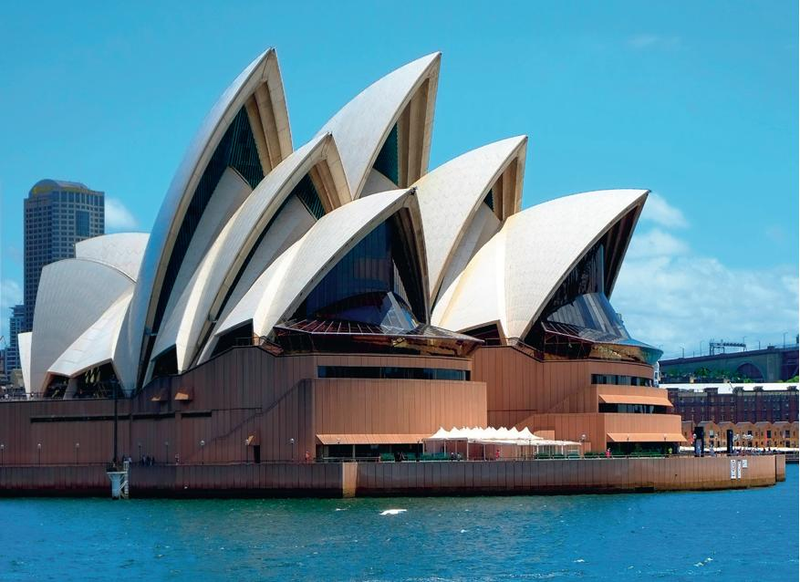
Wright's architectural ideals affect many designers
Extremely concise style
Simplicity stems from dutch style, bauhaus style and international style, and perpetuates the focus on functionality and simplicity principles。
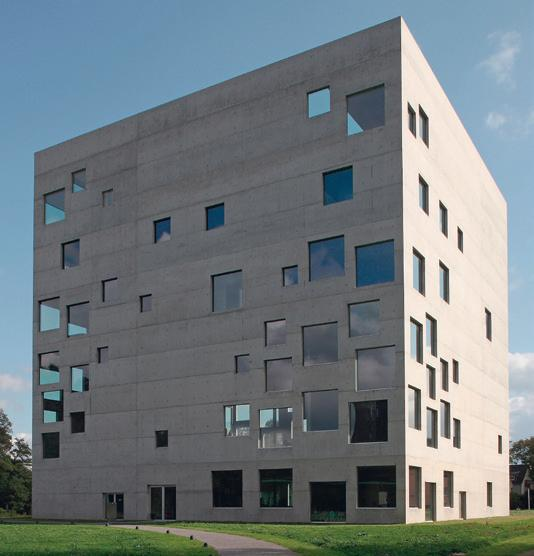
Institute of administration and design of the customs union
The late 1960s and 1970s were a period of extreme simplisticism, whose goal was not just to reduce manifestations, but to reduce all their manifestations。
The campaign was heavily influenced by traditional japanese buildings, which reduced and avoided redundant elements。
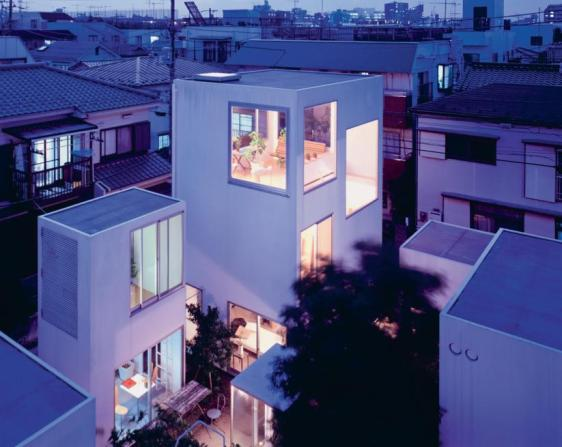
Sam shan
It focuses on simplifying forms, spaces and materials, reducing design elements and avoiding decorations or patterns。
Once all the elements have been streamlined in this way, the rest of any highly simplistic construction work is “the essence”。

The source code of architecture
Suzie hodge
Chinese newspaper publisher
Published: 2021. 11