According to the china sleep health survey 2025, 48. 5% of the population aged 18 years and over “sleep poorly” -
How can sleep trouble break
Read hint
There are many people who suffer from sleep problems such as sleeplessness, sleeplessness and poor sleep. The sleeping medicine doctor indicated that the formation of sleep problems involves a combination of genetic, physical, psychological, environmental and behavioural factors that improve the quality of sleep and require correction of poor sleep cognitive and behavioural habits。
Good sleep is essential for physical and mental health. However, there are many people in daily life who are unable to sleep, who are unable to wake up, who are suffering from sleep distress and sleep disorders。
The china sleep health survey 2025, published jointly by the china sleep research society and others in recent days, shows that 48. 5 per cent of the population aged 18 and over suffer from sleep distress, with 51. 1 per cent of women and 45. 9 per cent of men. As age increases, the rate of sleep distress increases。
On 18 march, the national office for the defence of human rights issued a core message and interpretation of sleeping health, which led to a proper understanding of sleep and healthy sleeping habits. On 21 march, the 25th world sleep day, the workers' daily journalist invited three attending physicians in sleeping medicine at beijing university's 6th hospital, hoja, jinna and ma xianyun to analyse common sleep problems and make recommendations for improving the quality of sleep。
Why is good sleep important
Ho: sleep is a critical time for body self-rehabilitation. During deep sleep, cell repair accelerates the completion of a series of processes such as muscle tissue growth, protein synthesis, energy storage, and helps restore strength and energy。
Inadequate sleep increases the risk of numerous body diseases, such as hypertension, moderate cardiovascular diseases of the brain, metabolic diseases such as diabetes, and autoimmunological diseases such as rheumatism。
Sleep is also the "invisible regulator" of emotions. Long-term sleep failure can lead to the loss of almond nuclei, neurotransmitters, stress-related hormone accumulation, etc., which makes people angry, sensitive, impulsive, and leads to depression and emotional depression。
How do you know you sleep well
Honana: good sleep is often a wake-up call for energy and joy。
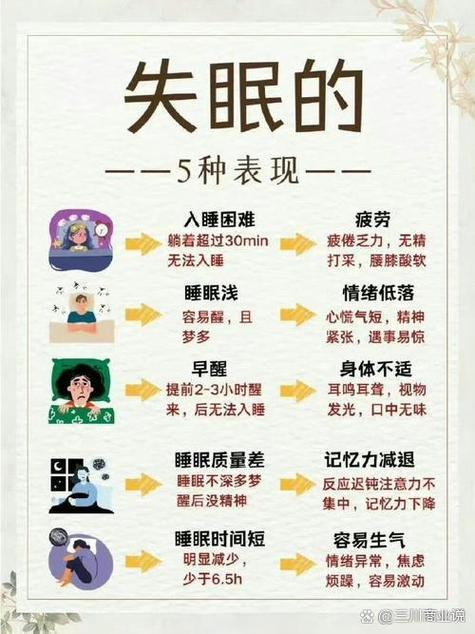
Sleep problems are manifested mainly in sleep difficulties, frequent night awakening, early awakening and poor sleep quality. When these occur, it is often felt that day-to-day attention is not focused, moody and sleepy。
If there are more than three sleep problems per week within a month, including more than half an hour, more than two awakenings at night, more than half an hour earlier than usual in the morning, or more than half an hour of sleep, accompanied by symptoms of apparent fatigue, reduced work efficiency and emotional irritation, then a professional sleep clinic is required。
Access to health care should be timely if there are signs of suspension of sleep, such as snoring, morning aversion, awakening at night, or emotional problems such as anxiety and depression。
What's the basis for the phrase "sleepy is stupid"
Ho ga: there's a reason. During sleep, the human brain is not in a state of “closure”, but rather completes memory optimization, emotional replacement and toxin clean-up through complex and fine neuroactivity and physiological mechanisms。
Inadequate or reduced sleep quality leads to brain disorders in the management of critical functions such as memory, emotional and metabolic waste removal, which in turn leads to what is commonly referred to as “difficult sleep”。
Why is there someone who's having sleep trouble and someone who isn't

Ho: the causes of sleep distress are complex and varied, involving interaction between genetic, physical, psychological, environmental and behavioural factors。
On a genetic and physiological basis, mutations in certain genes, such as dec2, clcsk, can lead to shorter sleep periods or sleep cycle disorders; neurotransmitters such as internal serotonin and gaba can also affect sleep initiation and maintenance。
Women in menopause often experience sleep distress as a result of changes in their levels of hormones, in the form of night-time sweating and anxiety. Under the guidance of a doctor, an attempt can be made for short periods to supplement the combination treatment of estrogen or estrogen. Lightness can alleviate some of the symptoms by trying to supplement the food, such as bean products, linen seeds, etc。
In terms of emotional and personality characteristics, high-neurological groups of people with anxiety and sensitivity are more physically responsive to stress and are prone to “sleep-back thinking”, as reflected in the uncontrollable repetition of past negative events. This group is also more likely to be overheated and induce “sleep anxiety”。
In terms of environmental and behavioural factors, irregularity, excessive use of electronics before sleeping, etc., can inhibit the distillation of melanoids and lead to delays in sleeping hours. Bedroom environments such as noise, temperature, mattress comfort also affect sleep speed and sleep quality。
What sleep problems can be helped by sleeping clinics
The main diseases in the sleeping clinic are insomnia, respiratory disorders, sleep addiction, heterogeneity, sleep-related motor disorders, and dyslexia。
Insomnia is manifested by the inability to sleep for more than 30 minutes after bedtime, frequent awakening at night, such as one or two times an hour, or again after early awakening。
Sleep-respiratory disorders are manifested in frequent snoring and snoring during sleep, headaches the following morning and difficulties during the day。
Sleeping is common among those who have sex with sleeping patients, who are tired of sleeping during the day and sleep at night。
Diverse sleep, including sleep terrors (sudden screams, cries), sleepwalks (unwitted out-of-bed activities), nightmares (awakening nightmares), sleep disorders associated with fast-eyed sports (dreaming roles during dreams, kicking and screaming)。
Sleep-related motor disorders, including inflammation of leg syndrome, acid swollen pre-sleep limbs or upper limbs, affect sleep; cyclical physical disorders, and inactivity in the legs during sleep。
Day and night rhythm disorder, which is now common in the case of “sleep delay” (sleeping late at night and difficult to wake up in the morning), is associated with biological clock disorders。
For different types of sleep disorders, multi-modal integrated interventions are usually used in clinical settings. Individualized treatment programmes are developed on the basis of a clear identification of the causes of the disease, taking into account the specific circumstances of the patient。
How can an individual effectively mitigate insomnia
Ma yoon: the cognitional behaviour therapy for sleep (cbt-i) is a first-line means of insomnia treatment, with the focus on correcting patients ' poor sleep cognitive and behavioural habits for the long-term improvement of sleep quality。
Cognitive behaviour therapy specifically includes sleep restrictions, strict provisions for bed rest time (2 - 3 - bed rest), swings on saturdays of no more than one hour, a gradual extension of bed rest based on sleep quality, and improved sleep efficiency。
Stimulating control, creating “beds for sleep only”, “no bed without bed”, establishing a relationship between bed and sleep, and getting up for some relaxing exercise if you do not sleep for 20 minutes。
Cognitive adjustment to correct misconceptions such as “the need to sleep for eight hours” to reduce insomnia。
The situation is different for each patient, and it is recommended that, while improving living habits, a comprehensive assessment of professional doctors be sought and individualized treatment programmes developed to achieve long-term stable treatment。
The newspaper's reporter, tao shui, workers' daily, 23/03/02 edition, 2025