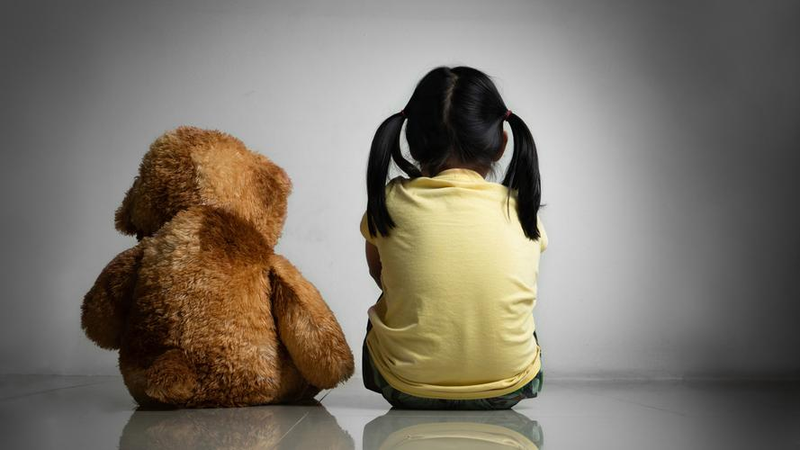
With rapid socio-economic development and increasing competition for education, the mental health and learning difficulties of children and adolescents are increasingly attracting public attention. The combination of academic and psychological problems cannot be ignored, as there is a long queue from the learning difficulties clinic to psychological counselling services in and out of school. This is not only an individual growth challenge, but also a pressing issue for the social and educational system. The issue of how to combine policy support, educational practices and social security to help young people overcome the “dual dilemma” has become an important one in education。
01. How can the global mental health of adolescents be broken by educational anxiety
Globally, there is a growing trend towards high levels of psychosocial problems and learning difficulties among children and adolescents. According to the world health organization (who), about 14 per cent of the world's population aged 10 to 19 years suffer from mental disorders, accounting for 13 per cent of the global burden of disease in that age group. The american psychological association reports that approximately 17 million young people are diagnosed with different levels of mental illness each year, with the highest rates of anxiety and depression. In europe, adolescent mental health issues have become a public health priority, and supportive policies and education programmes have been put in place。
In china, the mental health and learning disabilities of children and adolescents are equally worrying. Data from china's national mental health development report (2021-2022) show that 17. 5 per cent of adolescents between the ages of 6 and 16 suffer from mental health problems, with a depression detection rate of 14. 8 per cent and a severe depression rate of 4 per cent. The rate of detection of multiple impairments (adhd), learning impairments and autism spectrum disorders is also on the rise year by year, especially in the first-line cities, where learning difficulties clinics are difficult to obtain and where parents ' educational anxiety increases。
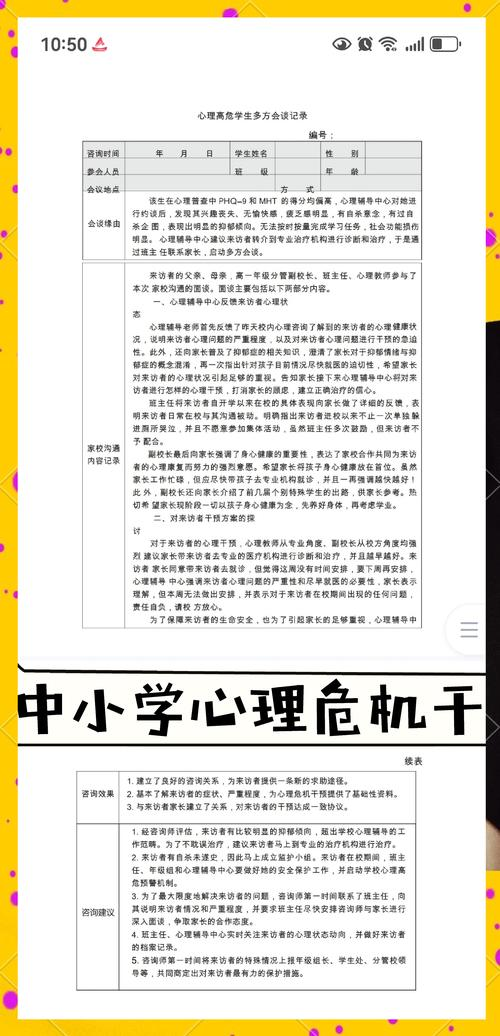
Mental health problems and learning difficulties are particularly visible in china. A special ministry of education survey showed that high school stress and a poor school environment were important factors in mental disorders among adolescents. Academic research has also confirmed the strong correlation between learning failure and emotional disorders: the decline in learning achievement not only leads to anxiety and low self-esteem, but also to behavioural problems, such as discipline in the classroom, bullying at school and even more serious psychological crises。
Analysis of the multi-dimensional causes of psychological and learning problems of children and adolescents
The causes of psychological problems and learning difficulties among children and adolescents are complex and involve biology, family environment, school culture and sociocultural dimensions. These factors often interact and constitute a “issue network”。
In terms of physical and neurodevelopment, genetic and nervous system anomalies are an important biological basis for academic and psychological problems. The mechanisms for the emergence of neurodevelopmental disorders, such as attention deficit hyperactivity disorder (adhd) and autism spectrum disorders (asd), have not yet been fully identified, but there have been numerous studies that have shown that genetic genetics, neurotransmitting disorders and abnormal brain structure development are the main contributing factors. In addition, changes in hormones and the re-engineering of brain functions during adolescence can lead to emotional fluctuations and behavioural anomalies that affect academic performance。
The role of the family environment is particularly significant. Parental attitudes and upbringing determine the child's starting point for learning and emotional development. Academic research has shown that factors such as the stability of the family structure, the upbringing of parents and the quality of parent-child interaction are highly relevant to the child's psychological development. For example, in families with dysfunctional families, divorced parents or economically disadvantaged families, children often face inadequate emotional and academic support, resulting in negative feelings of anxiety, depression, learning fatigue, etc. Excessive protection and overly controlled forms of education can also trigger behavioural confrontation and emotional alienation among children。
Schools and the social environment are another important factor. Under the educational system, overemphasis on academic achievement in schools may perpetuate high stress. Frequent examinations, academic competition and critical evaluation by teachers can lead to self-negative learning failures. In addition, negative environmental factors such as school bullying, peer exclusion and social isolation further exacerbate psychological problems. In the digital age, such phenomena as internet addiction, virtual social isolation and cyberbullying pose new risks for psychological crisis。
03. Global experience and indigenous exploration of multi-subject responses and policy practices
In response to the psychosocial and educational problems of children and adolescents, several countries around the globe have initiated relevant policies and interventions. The united states has adopted the child mental health act, which has established a large number of counselling and social worker posts in schools, while the united kingdom's healthy schools programme emphasizes collaboration with families in mental health curricula。
In china, a number of policies have been put in place at the governmental level. The programme for the development of children in china (2021-2030) sets out the strategic objective “to strengthen the capacity of mental health services for children and to improve their mental health”. The special action plan for mental health education (2023-2025), issued by the ministry of education in conjunction with the national health commission, has given further impetus to the development of a system of mental health services in schools, requiring that primary and secondary schools be equipped with full-time counsellors and establishing a three-tier system of psychological support “prevention-intervention-referral”。
Joint action between schools and families is gradually taking shape. Model schools in some regions have established mental health screening and individualized learning support platforms through the introduction of artificial intelligence and big data technologies. At the same time, the parental psycho-pedagogical curriculum of the co-operation of the school has been gradually extended. Social and public interest organizations are actively involved in helping to establish community psychological support centres and family service platforms to provide more flexible counselling and learning counselling。

Future prospects: new directions for integrated governance and systemic innovation
Although intervention systems for mental health and learning difficulties for children and adolescents are being developed, unequal distribution of resources and inadequate service coverage remain critical. In the context of a severe shortage of resources for counsellors and teachers of special education, especially in rural and remote areas, support for education and psychological services remains inadequate. In addition, the awareness and attitude of parents and the public at large on psychological issues need to be further enhanced to eliminate stigma and prejudice。
Future development needs to rely on policy support, technological innovation and deeper integration with social cooperation. The development of information technology in education will provide more accurate data support to education managers and mental service providers. The expansion of the smart assessment system, the telepsychological counselling platform, the learning disability intervention and personalized referral mechanism will improve the efficiency and coverage of educational and psychological services in a comprehensive manner。
The growth of children and adolescents is not only about academic achievement but also about the overall development of healthy personality and social resilience. The interest and support of society as a whole, as well as the sustained investment and innovation of policies, will together contribute to the achievement of education equity and social well-being, ensuring that every child receives adequate education and health support to move towards a bright future。