In beijing, etc., heavy rains have recently hit areas affected by typhoon dosuri. In the heavy rains, water was sown in some places and images of vehicles being damaged by bubbles were disturbing. So, what are the circumstances under which compensation can be claimed from insurance companies after the car has been blown up by the floods? What are the concerns
Question 1: can you pay for the loss or loss of a car
In march 2022, zhou had insured a vehicle loss insurance company for his favorite car, of which the motor vehicle loss insurance rate was $200,000. The insurance policy, insurance policy and insurance contract all contain in bold and blackfaced form the “contract clause except for water damage to additional engines”, i. E. “the insurer shall not be liable for direct damage to the engine as a result of its watering”. A month later, a traffic accident occurred in a vehicle under the bridge, and the traffic police found him fully responsible. On the specific amount of compensation, it was not possible to reach agreement with the insurance company and the case was brought before the court on the week. Zhou contends that the insurance company did not meet its obligation to account for and provide advice on “except for water damage to additional engines” and that it should pay for the corresponding loss of motor damage. The insurance company, for its part, considered that the parties had expressly agreed and had fulfilled their obligation to provide instructions and should not be held liable for the damage caused by the engine。
The court considered that the vehicle insurance contract in question was a genuine expression of the parties ' intent and did not violate the mandatory provisions of the law and regulations, and that, once a legally valid contract had been established, the parties to the contract should fulfil their respective obligations under the contract. In the case in question, the insurance contract provided for direct damage to the engine after the engine had entered the water, the insurer was not liable, the terms of the contract were clearly stated in bold and black on the insurance policy and the insurance policy, and were confirmed by a signature on the policy, on a weekly basis, and the insurance company was therefore found not to be liable for damage to the engine。
Judge alert
The guidance on the implementation of comprehensive car risk reform (hereinafter referred to as the opinion) issued by the former china bank for banking supervision was implemented on 19 september 2020 and the engine's water risk (hereinafter referred to as water risk) no longer exists as a separate species of risk but is tied to a vehicle loss risk. However, there is an “additional-engine-in-water” clause in the vehicle's loss insurance policy, whereby the insurance policy will not compensate for the loss of the engine's water-incurred damage if it is not required。
Question 2: can car damage certification be commissioned
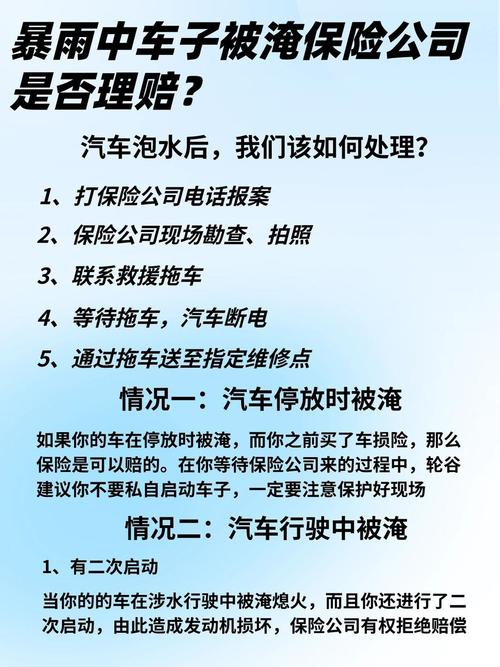
In march 2020, li was insured by the insurance company for the loss of his car, which amounted to 150,000 yuan. In november of the same year, the vehicle was damaged after li was in water while driving. After the accident, the insurance company contacted li on several occasions to conduct a demolition inspection of his vehicle, but li refused to cooperate. The company was not informed of the damage, and the assessment concluded that li had lost $100,000. Li approached the insurance company on the basis of the evaluation opinion to settle the claim, and without agreement on compensation, li sued the insurance company to the court. In the course of the proceedings, on the application of the insurance company, the court commissioned an expert body to reassess the loss of lee's vehicle, which was ultimately concluded to be 60,000 yuan。
The court held that, with regard to the amount of the loss, li had unilaterally commissioned the evaluation opinion, and that the conclusion had been overturned by the insurance company's application for re-identification, that li's vehicle loss should be compensated on the basis of an assessment opinion issued by the court-commissioned expert body, and that 60,000 yuan was covered by the insurance company's liability。
Judge alert
Article 23 of our insurance law provides that upon receipt of a request for compensation or payment of insurance from the insured person or beneficiary, the insurer shall make a timely approval; in a complex situation, the approval shall be made within 30 days, unless otherwise agreed in the contract. In the above-mentioned case, li had acted in violation of the relevant provisions of the insurance law and of the principle of maximum integrity of insurance。
With regard to the question of whether li has commissioned an identification body on his own initiative, our law does not prohibit the parties unilaterally from commissioning the identification, but because of its informal nature in the commissioning procedure and the many self-interests and interests that drive it, the court specifically analyses the evidence of the conclusion of the evaluation in this manner: if the other party has no objection to the findings of the evaluation, and there is no re-identification, it can be used as evidence to establish the facts after the examination; if the other party has evidence or reasons sufficient to refute and apply for the identification, the people's court shall grant permission。
The owner of the car is also reminded to cooperate actively with the insurance company after the loss of the car has occurred and may not, without notice to the insurance company, delegate the identification to an expert body without payment。
Question 3: what should be done to compensate for the presumed total loss
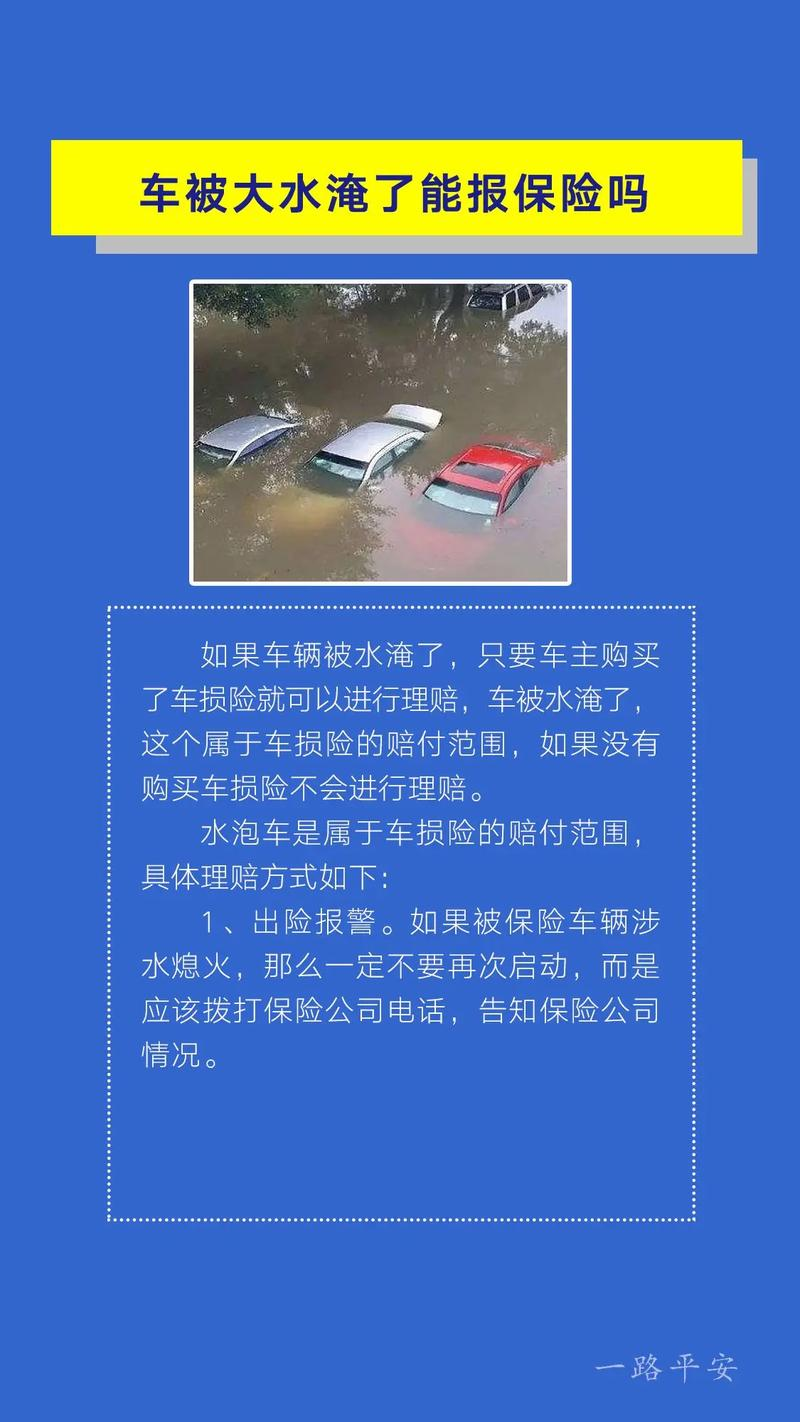
In march of last year, yoon yao purchased insurance for car-friendly vehicles for $100,000. In july, heavy rains led to the flooding of a car by road, which made it impossible for vehicles to use properly. The assessment body determined that the vehicle had a pre-damage value of $60,000 and had now met the end-of-life criteria (presumed total loss). Yoon yao asked the insurance company to pay $100,000 according to the amount of the insurance and, if refused, to take the insurance company to court。
The court held that the amount of the insurance was the maximum amount of the insurance company's liability for compensation or payment of the premium, and that it was the basis for calculating the insurance company's premiums. The value of insurance is the value of the subject matter of insurance agreed upon and recorded in the insurance contract, or the actual value of the subject matter of insurance in the event of an insurance accident, when the insured person enters into an insurance contract with the insurer. They are not the same concept. In accordance with the relevant provisions of the insurance law, since the insured person and the insurer did not agree on the value of the insurance subject matter, the final court decision should be based on the actual value of 60,000 yuan before the damage to the vehicle. Judge alert
Under article 55 of the insurance act, the insured person and the insurer agree on the insured value of the subject matter of the insurance and the loss of the subject matter is included in the contract and the agreed insured value is the basis for calculating compensation. If the insured person and the insurer do not agree on the value of the insurance subject matter, the loss of the subject matter is calculated on the basis of the actual value of the subject matter at the time of the insurance incident. The amount of the insurance may not exceed the value of the insurance. If the value of the insurance exceeds the value of the insurance, the insurance provider shall refund the corresponding premium. If the amount of the insurance is less than the value of the insurance, unless otherwise agreed in the contract, the insurer is liable for compensation of the insurance contributions in proportion to the value of the insurance。
The value of the insurance is divided into defined-value and non-predictable-value insurance, which is covered by the above-mentioned cases, and is compensated in the event of an insurance accident, on the basis of the value of the insurance at the time of its occurrence. In the case of defined-value insurance, i. E. Where the parties to the insurance contract have previously agreed on the insured value of the subject matter and have stated in the contract as the insured amount, compensation shall be paid in accordance with the stated insured value at the time of the insurance accident。
Question 4: what about pre- and post-deposit conflicts
In august 2019, while driving in heavy rains, du chia reported the incident to the insurance company after the damage to the vehicle was caused by deep water. Prior to that, he had insured the vehicle for vehicle loss and damage, which amounted to $40,000. The insurance contract with the insurance company provided that “the insurer is liable for the loss of the insured vehicle due, inter alia, to heavy rains, and the insurer is liable under the terms of this insurance contract”, but the exemption clause of the contract also provided that “the engine damage caused by the engine entering the water is not liable for compensation”. As a result, the parties disputed whether or not damage to the engine had been caused by the heavy rain, and d particular asserted that the damage to the vehicle's engine had been caused by the heavy rain and that it should be compensated for the damage to the engine, as agreed in the contract, while the insurance company was of the view that it should not be liable for damage to the engine by virtue of the exemption clause agreed upon by the parties. The parties never reached an agreement, and then duchy appealed to the court。
The court held that there were different interpretations of how the scope of the liability could be determined in the case of the existence of both the contract agreement and the exemption clause. Under the provisions of the insurance law, the insurance company is held liable by the court. Judge alert
Article 30 of the insurance act provides that insurance contracts concluded using formal terms provided by the insurer shall be interpreted in accordance with the usual understanding when the terms of the contract are disputed between the insurer and the insured person, the insured person or the beneficiary. If there are more than two interpretations of the terms of the contract, the people's court shall interpret them in favour of the insured person and the beneficiary. In the present case, it is clear that the interpretation of the liability for engine intrusion was in the interest of duichi, and the court decision upheld his claim。
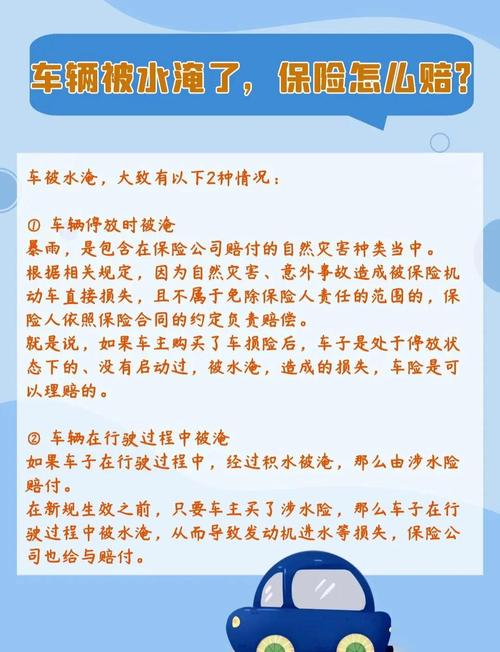
Prior to the comprehensive vehicle insurance reform of 2020, the insurance contract in the above cases had not been tied to the vehicle loss risk but had to be purchased separately as an additional risk. The concept, the content and the legal consequences of the exemption in this case, in particular whether the damage to the engine caused by the entry of an insured motor motor motor into the vehicle falls within the scope of the insurance liability, which can be understood by the ordinary person, are not attributable to the insurance company when the insurance liability and the exemption clause exist and are interpreted differently。
Question 5: what about buying a water-related used car
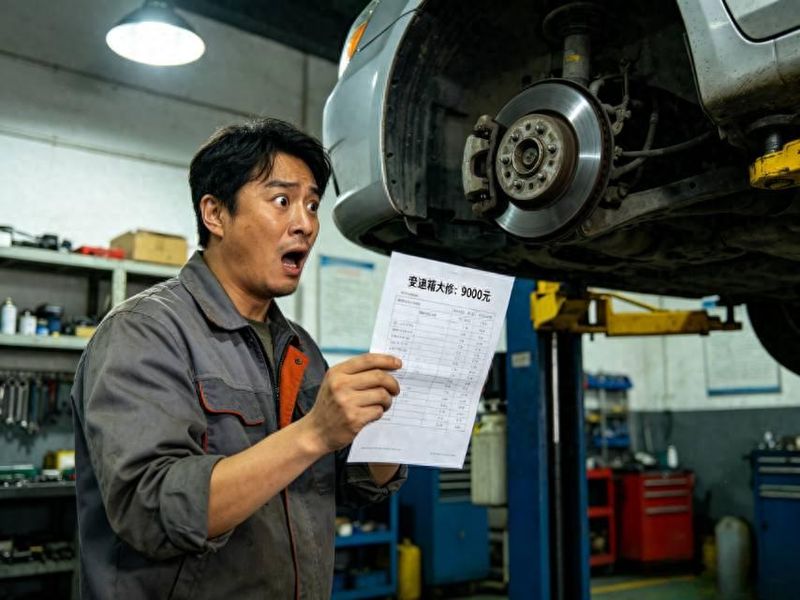
In january 2021, li entered into an agreement with an old motor vehicle broker to buy and sell used vehicles at a price of $200,000 for the purchase of vehicles, and the agreement also provided for “compensation by either party for the sum of $10,000 in the event of default”. Other agreements between the parties regarding the vehicle's condition indicate that the vehicle was free of major traffic accidents and water. On that date, li paid in full and processed the vehicle transfer. When he drove, he found that the car was regularly shut down and suspected that the engine had been immersed in water. After numerous unsuccessful interventions, li appealed to the court for the cancellation of the contract, the return of $200,000 for the purchase of the car, the payment of the corresponding interest and compensation for the breach of contract of $10,000. At the hearing, li submitted a copy of the security record of the vehicle in question at 4s, showing that the vehicle had been “decomposition and assembly of engines and draining of engines” in november 2020, and an insurance record issued by the insurance company showing that “the vehicle had been in distress in october 2020 as a result of a unilateral accident, flooded with water and flooded with vehicles”
The court held that the old motor vehicle broker should have verified the sale of the vehicle and informed the buyer in good faith, and that the vehicle's security record at 4s had clearly shown that there had been “engine drainage”, but that the company had not expressly informed the vehicle at the time of the agreement of the fact that the vehicle had been involved in a water-related accident and had promised “that the vehicle was not involved in a major traffic accident or water-related incident”, which had led li to purchase the vehicle in question without knowledge. Brokering companies should be deemed to be fraudulent and should be held liable accordingly. The final court ruled that the parties had lifted the second-hand car sale agreement, ordered the company to return the amount of $200,000 for the purchase of the car and to pay the corresponding loss of interest and the amount of the breach of contract, while li returned the company's vehicle。
Judge alert
Article 148 of the civil code provides that a party who fraudulently induces the other party to commit a civil legal act contrary to the true intent shall have the right to request the people's court or arbitration body to revoke it. In the above-mentioned cases, companies specializing in the brokering of used motor vehicles should effectively verify the condition of the second-hand vehicles they sell and inform their counterparts of the verification information. If the contract was entered into fraudulently, it would be avoided by the court。
It was suggested that consumers should choose formal used car establishments or platforms if they needed to buy used cars. In the face of attractive prices, in addition to the need for careful scrutiny to verify the quality of the vehicle, the seller may be required to make a written commitment and may be required to pay the default money after default, by means of an agreed default. (by von haley, by beijing financial court)