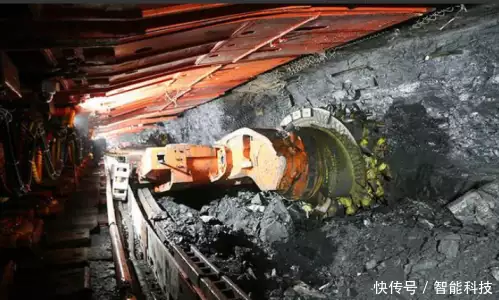
The " deployment of important work " issued on 19 march 2024 by the national mine safety inspectorate specified that mobile equipment under wells, such as well-diggers and coal-mining machines, must be equipped with on-board methane breakers with methane locks and failure locks. This requirement is aimed at effectively preventing potential safe production risks and guaranteeing the safety of miners and the stable development of enterprises。
Importance of on-board methane cutters and system composition
Methane outagers on board serve as a monitoring and surveillance system for one of the “six major systems” of underground safety avoidance, directly related to the life safety of miners and the stable development of enterprises. The system supports three modes of operation for the independent installation of local controls, for the compatibility of existing security surveillance systems and for the independent system. Its core components, including laser methane sensors, breaker hosts, back-up power sources and wireless transmission equipment, have achieved real-time displays of ambient methane concentrations, acoustic alerts, ultra-restricted locks, automatic unlocking and automatic transmission of alert information for mobile equipment operating under wells such as coal miners, diggers, drills, etc。
Limitations of traditional monitoring systems
Traditional cable surveillance systems have gradually revealed obvious weaknesses in wiring, maintenance costs and flexibility, particularly in coal mine production, where the gas disaster has been the sword of damocles hanging over the miners. The methane sensors of the catalytic principle, because of their accuracy and stability, are unable to meet on-site demand and the off-line mode of work makes real-time monitoring difficult to achieve. These factors have led to the limitations of traditional monitoring systems and the urgent need for more advanced technology to upgrade the level of mine security surveillance。
Advantages of laser methane sensors
The development of laser methane sensor technology in recent years has provided new avenues for addressing these issues. Laser-methane sensors show significant advantages over traditional catalytic sensors in a number of ways:
High-measure accuracy: based on laser spectroscopy absorption principles, laser methane sensors detect methane at very high resolution levels and can measure up to ±0. 05% ch4 and well above ± 0. 1% ch4 of catalytic methane sensors。
Precision stability: laser methane sensors use optical components and detection principles, performance is more stable and measurement data are less biased during long-term operations. Catalysing methane sensors, on the other hand, rely on catalyst activity, which, after long periods of operation, affects the measurement of stability by such factors as poisoning and ageing。
Strength resistance: laser-methane sensors are not affected by impurities such as hydrogen sulfide and sulphur dioxide in the environment and are more adaptable to environmental factors such as humidity and temperature. Catalysing methane sensors are vulnerable to the poisoning of these impurities, resulting in failure or inaccurate measurements。
Long life: laser-methane sensors do not have catalyst ageing, poisoning, long operational life, usually up to 5-10 years, while catalytic methane sensors usually have only 2-3 years. This has significantly reduced the frequency of sensor replacement and reduced maintenance costs。
Characteristics of the laser methane sensor module for minerals:
The mining laser methane sensor module ag-6-ch4-28m2 of the industrial mining network is based on the development of a spectroscopy technology (td-las) for the absorption of metallic methane gases using 1653. 7 nm lasers for the characterization of methane gas “fingerprint spectrum” absorption detection, protection against water vapour and other gas interference. The sensor module is designed to incorporate a long radial range, detect sensitivity and accuracy; it is designed for ultra-low power consumption, with 0-100 per cent vol full range testing and temperature and pressure compensation correction, and is highly environmentally appropriate; and it is designed to install a general screwdriver interface and communication interface. The product, which is the core component of the methane gas monitor, can be used extensively to detect methane gas leaks in areas such as coal mines, non-coal mines and industrialists。
Conclusions
Ag-6-ch4-28m2 ore laser methane sensor modules are the ideal option for a new generation of on-board methane breakers, based on their high accuracy, high stability, strong interference resistance and long life characteristics. It has not only raised the level of security surveillance of mines, but also provided strong guarantees for the safety of miners and the stable development of businesses. As technology progresses and policies advance, laser methane sensors will certainly play a greater role in future mine safety。