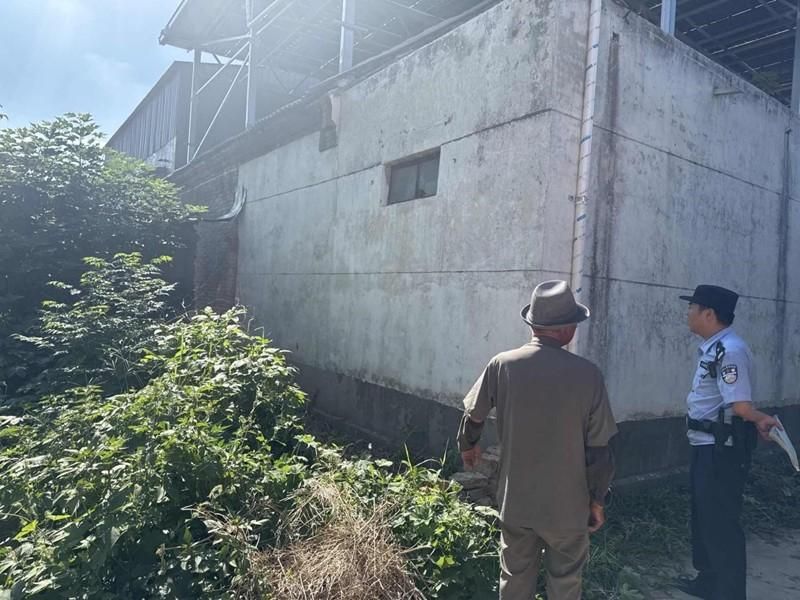
How to "lock" the gas below the well
The methane breaker in mines is an essentially safety-type security monitoring device installed on mobile mechanical equipment such as sub-mining machines and coal miners. Its central role is to automatically cut off the power supply of the alleged equipment when methane concentrations in the area where the equipment works exceed safety limits and to send a sound light warning signal, thereby preventing the detonation of the gas by electric sparks and ensuring safe production。
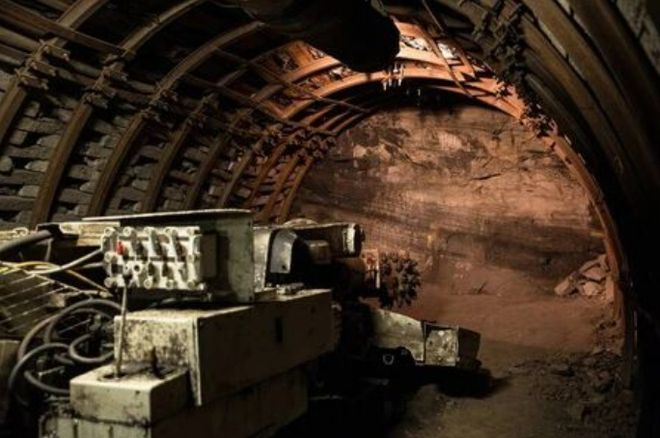
Core mission: vaz beyond limit, power out
Its core mandate is clear and firm: to immediately and automatically cut off the power of the equipment charged when methane concentrations in the area of operation of the equipment are monitored above the safe red line, and to issue a strong warning to eliminate the possibility of sparks detonating the gas。
Note: the new protocol of the coal mines safety protocol, 2025, requires that methane sensors be equipped with power cuts: non-essentially safe power source for coal-mining machines digging, anchoring, continuous coal-mining, anchor rigs, shuttles: digging machines, anchoring machines, continuous coal-mining machines, anchor rigs, shuttle non-essentially safe power source tbm: non-essentially safe power source
01 rationale: monitoring, processing, judgement, implementation
Core components: laser launchers, optical detectors (in the case of laser methane breakers)。
Process 1: laser launchers send out near-infrared laser beams of specific wavelengths. • gas to be detected through laser beams (possibly increasing the length of the light path, i. E. The range, through mirrors to increase detection sensitivity). • photons receive laser signals that pass through the gas。
2 detection principle: methane molecules are characteristically absorbed into near-infrared light at specific wavelengths. When a laser passes through a methane-containing gas, its strength is reduced by methane absorption。
Level 3 calculation basis: the extent of laser decay is proportional to the concentration of methane in the gas and the length of light range through which the laser passes. The real-time methane concentration (%ch4) can be calculated precisely by measuring the difference between the light of the launch and the light of the reception, combined with the known light range. Sensors output telecommunications corresponding to this concentration。
02 signal processing and conversion
Signal amplification: a weak analogue signal from the sensor output is amplified from the front magnification circuit to a manageable range。
Model conversion (adc): the enhanced analogue signal is converted to a digital signal for precise analysis by the microprocessor。
03 concentration judgement and decision-making
Microprocessors receive digital signals representing concentrations. Based on default algorithms and calibration parameters (zero points, sensitivity), real-time methane concentration values (% ch4) are calculated, with a strict comparison of real-time concentrations with preset two-tier thresholds:
Warning threshold (t1): (e. G. 0. 5% ch4) - alert line, trigger sound light alert, alert driver。
Power outage thresholds (t2): (statutory mandatory, usually 1. 0% or 1. 5% ch4) - safe red line, triggers a forced outage。
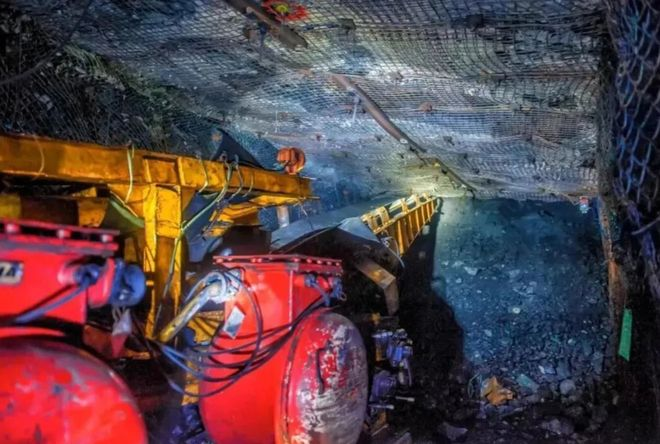
04 control of decision-making output and power outage execution (key steps)
Normal status (
• alert status (≥ t1 &
• power outage (≥t2): the processor immediately outputs the power outage command: the drive is essentially safe and the electrical relay contact point or solid state switch is off。
05 secure lock
Once the power is out, the system locks。
Methane outagers on board are a critical technical barrier to the lives of miners and the prevention of gas explosions. And remember its iron law: the gas is beyond limit, power is out