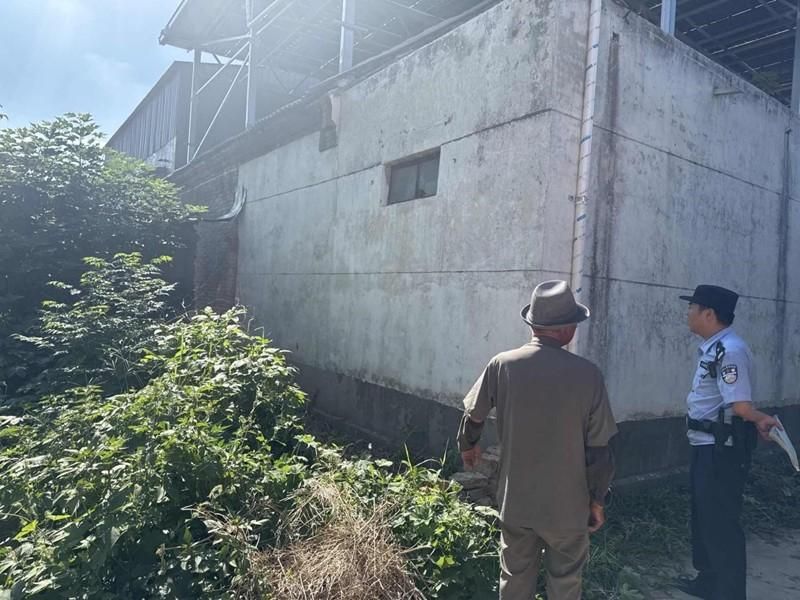
Activation of pv sensors in slots
The pv sensor in the slot is a common type of pv sensor that, through the pv effect
The light signal is converted to a telecommunications signal, which allows for the measurement and detection of light power. Tug-based pv
Sensors consist mainly of light sources, photovoltaic diodes, photo-sensitive electrical resistance and signal-processing circuits。
The working principles of the cell-type optical sensors are described in detail below。
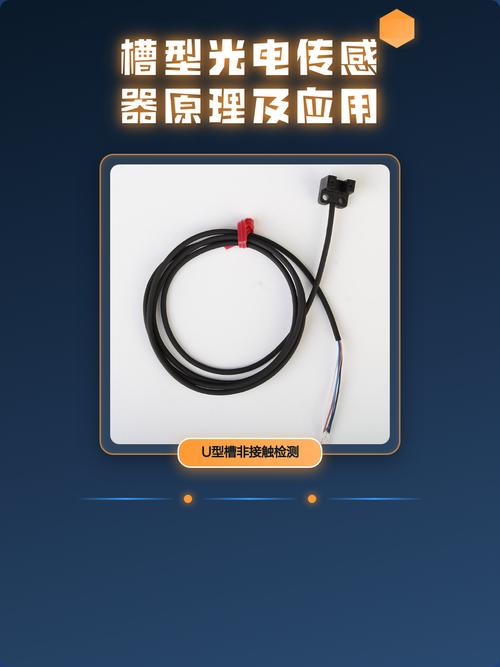
The pv sensor of the slot works in two steps: light discharge, pv
The diode receives light and produces telecommunications。
Lights are fired. In slot-type optical sensors, the source of light is usually a lighted diode
(led)
It can send visible or infrared light. When the pv sensor of the slot works
Led
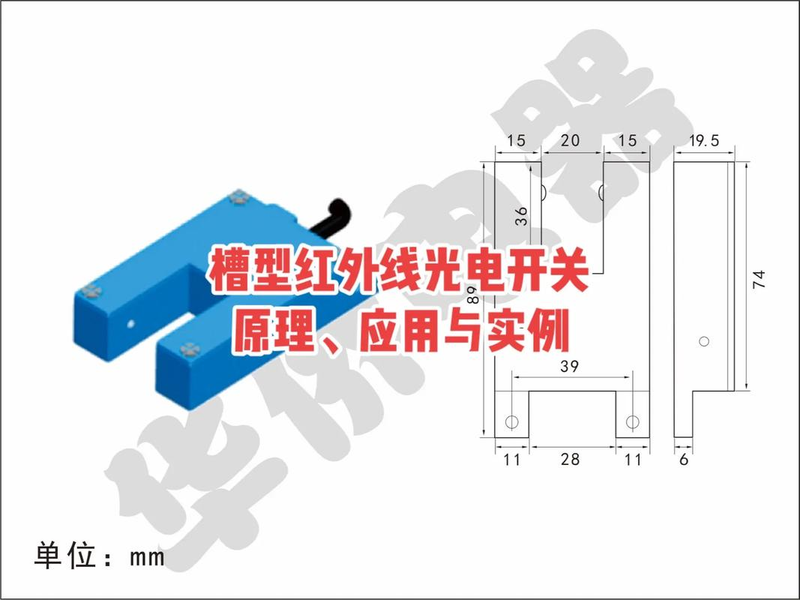
Will be activated, sending a light. This light follows the light path of the tank sensor
Dissemination。
It then receives light and produces telecommunications. Photoelectric in slot-type photovoltaic sensors
The diode is on the opposite side of the light source, and when the light is exposed to the pvd, the pvd
The internal semiconductor material of the tube is pv. Pv means when the light comes in
When it's on semiconductor material, it stimulates the electron, makes it leapfrog from price to route, generates electricity
Ho. These charges accumulate on the electrodes of the pvd and form a current signal。
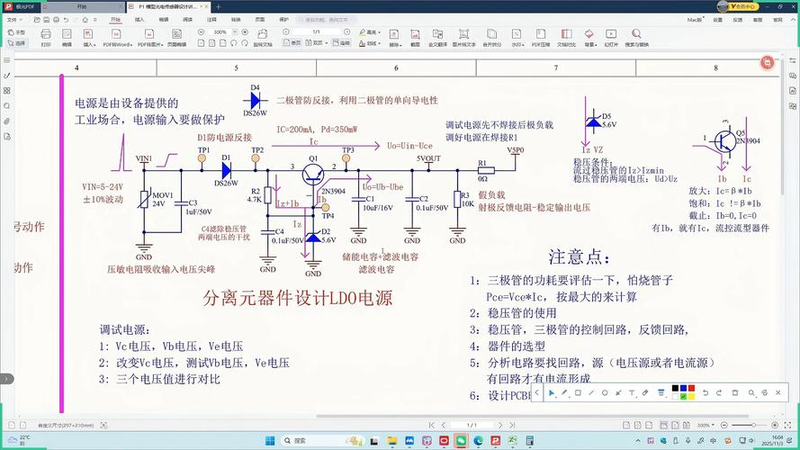
Next, signal-processing circuits handle telecommunications. Letters in slot pv sensors
The current signal will be converted to a voltage signal, amplified and filtered
Rin, eventually output a steady voltage signal. The size of this voltage signal and the light
The strength is positive, so the strength and weakness of the light can be judged by measuring the size of the voltage signal。