Cell-based optical sensors are commonly used as optical detection equipment and are widely used in areas such as automated production lines, robots and logistics systems. It detects and locates objects by detecting their beams. Cell-based pv sensors are a key step in their installation and use, and the correct wiring ensures their steady operation and accurate detection。
I. Working principles of pv sensors
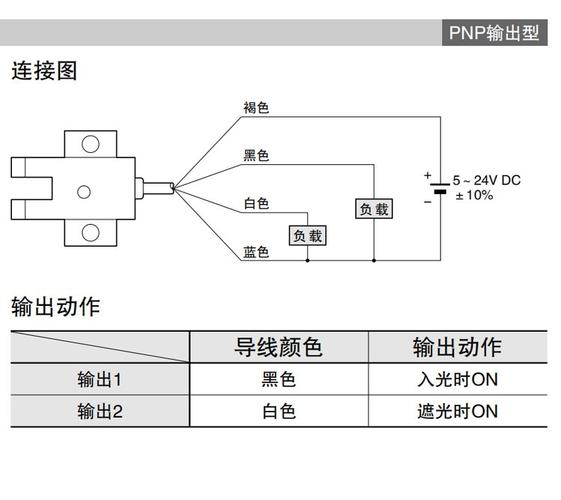
Before we give a detailed description of the connection, we need to first understand the workings of the pv sensor. The pv sensor in the slot consists mainly of two parts of the launcher and receiver, with the transmitter sending light, which is blocked when the object passes and the receiver detects the change in the light, thereby triggering the signal output。
Ii. Type of pv sensor in slots: the transmitter and receiver are integrated in one unit and the light is detected by the receiver after reflection on the surface of the object. Radio-photo-electric sensors: the transmitter and the receiver are installed in two different positions, from the launcher to the receiver. Cell-type pv sensors: typically used to detect whether an object passes through a particular slot and is suitable for detecting the size and location of the object. Type of input output of the sensor
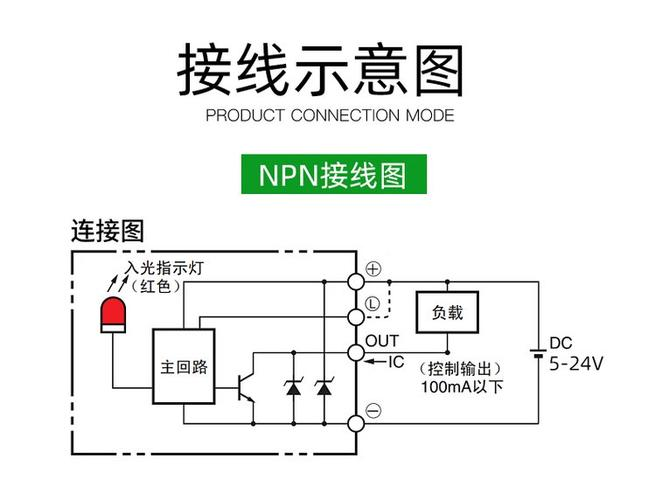
Ensure that the sensor's power is disconnected to prevent electrocution or damage to the equipment, prior to any wire operation。
Step 2: identification of the end-stage step three: connecting power: step five: connecting signal lines: fixed and insulated. Test iv: noted power matching: ensure that the sensor's power voltage matches the power output voltage. Signal interference: avoids, to the extent possible, the parallel wiring of signal lines with power lines and reduces electromagnetic interference. Environmental factors: consider the temperature, humidity, dust, etc. Of the environment where the sensor is installed to ensure that the sensor is stable. Common problems and resolution signals are unstable: checking whether power is stable and whether signal lines are disturbed. No output signal: check if the sensor is wired correctly and the power is connected. Error action: check whether the sensor is installed correctly and is disturbed by external light. Summary
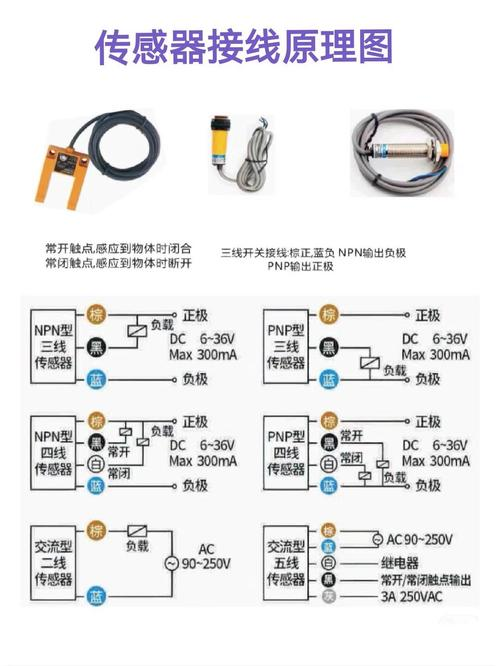
The pv sensor in the slot is a detailed operation that needs to be carried out strictly in accordance with operational procedures. The correct connection not only ensures the normal operation of sensors, but also enhances the stability and reliability of systems. In practice, adjustments and optimization should also be made to specific application scenarios and equipment requirements。