Brief description of pv-01
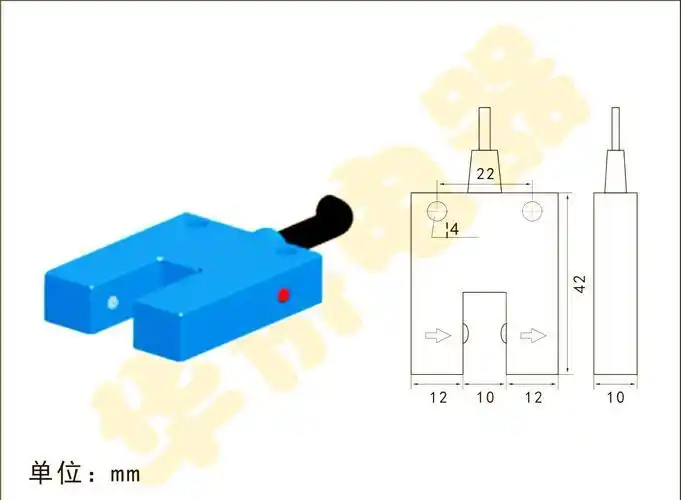
Cell-type pv sensors, also known as slot pv switches, are set up by a light launcher and a receiver to form a tank pv detection device. The pv sensor of the slot consists of a light launcher and a receiver, which detects the object through a beam block and monitors the slot. When infrared or visible light is sent out, the light receiver can receive the light normally if the barrier is blocked. However, once the object being detected passes through the slot, the light will be shielded, resulting in the pv switch triggering and the output of the corresponding switch control signal, thus achieving break control over the load current. It should be noted that the detection distance of pv sensors in slots is limited by their overall structure design and is usually only a few centimetres。
Composition of basic structures
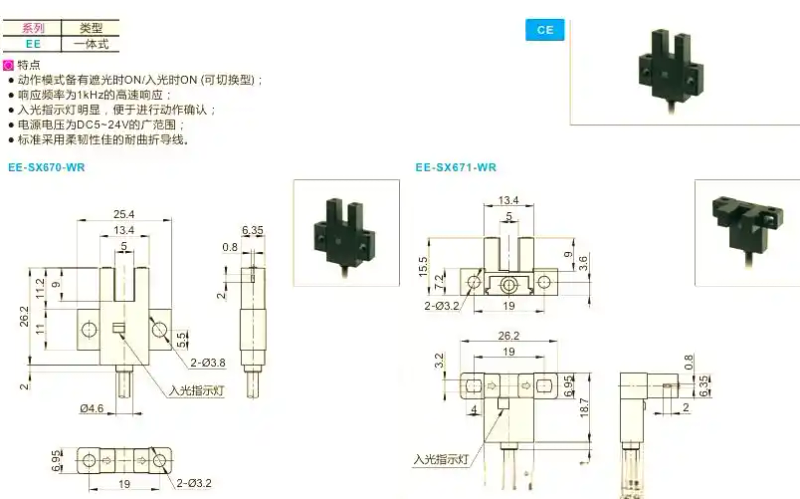
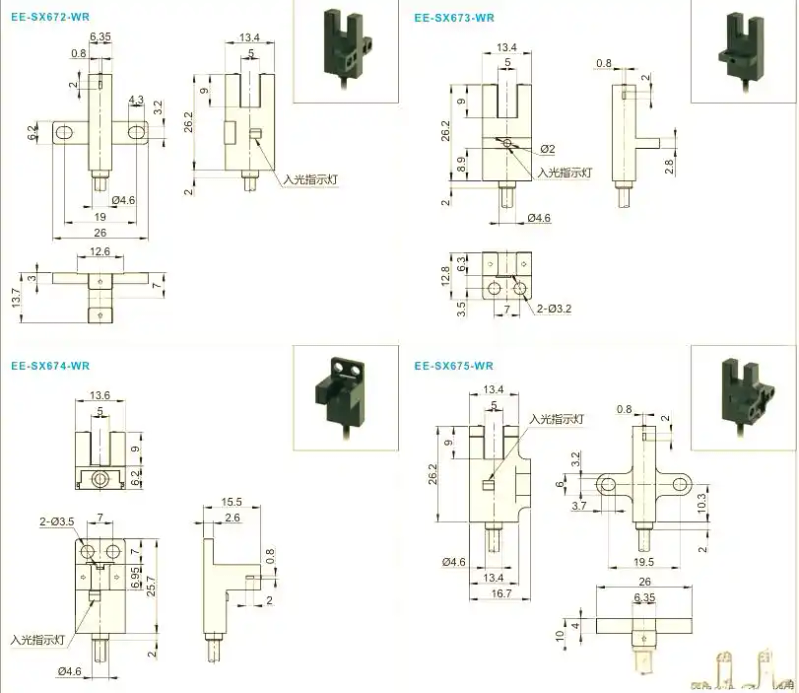
The rationale for its work relies on light beams from the transmitter directed to the target, which usually originate from semiconductor light sources, such as lighted diodes (leds), laser diodes or infrared-launched diodes. The receiver consists of components such as pvd, pvt or pv, and is equipped with optical components such as lenses and optics for optical focus. The subsequent detection circuits are responsible for filtering out and applying effective signals。
Description of the rationale
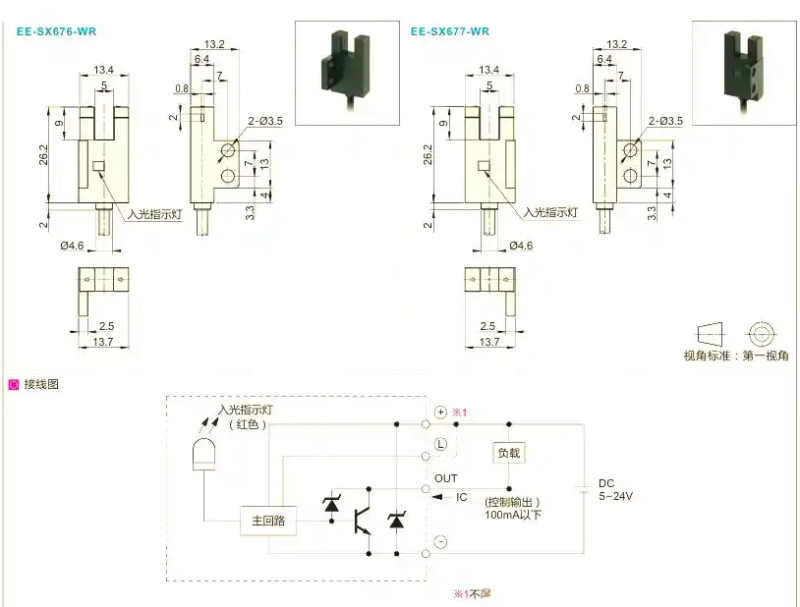
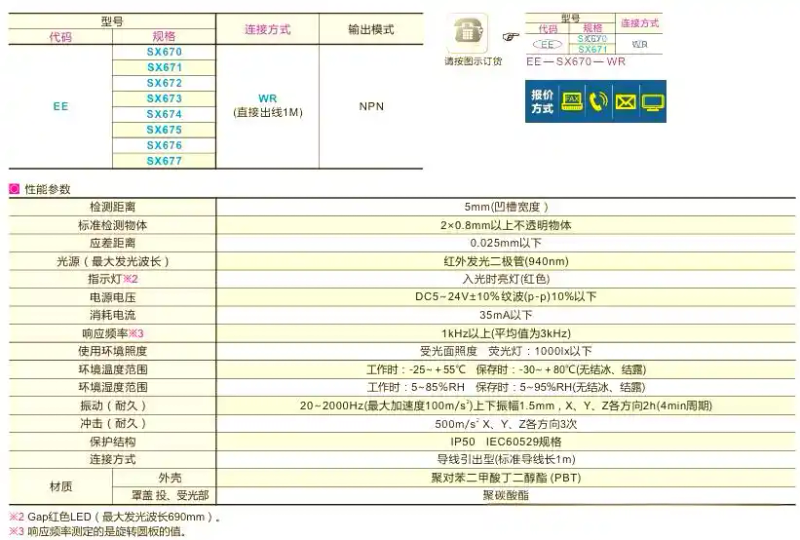
Sensors rely on semiconductor light sources to send light beams, which cannot be received by the receiver when the object is shielded. The transmission and reception of beams creates a detection mechanism to ensure that the proximity or passage of objects can be effectively detected in the monitored area. This feature has made cell-type optical sensors widely used in automated control systems, which has contributed to increased productivity and monitoring。