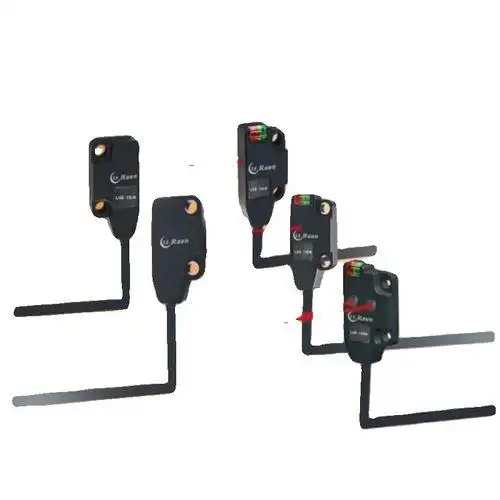
Introduction to pv01
Pv detection methods have many advantages, including high accuracy, rapid response, non-contact measurements, and a variety of detectable parameters and flexible sensor structures. As a result, cell-based pv sensors have been widely applied in the field of detection and control. This paper will explore in depth the working principles, relevant features and differences of the slot-based optical sensors。
Rationale
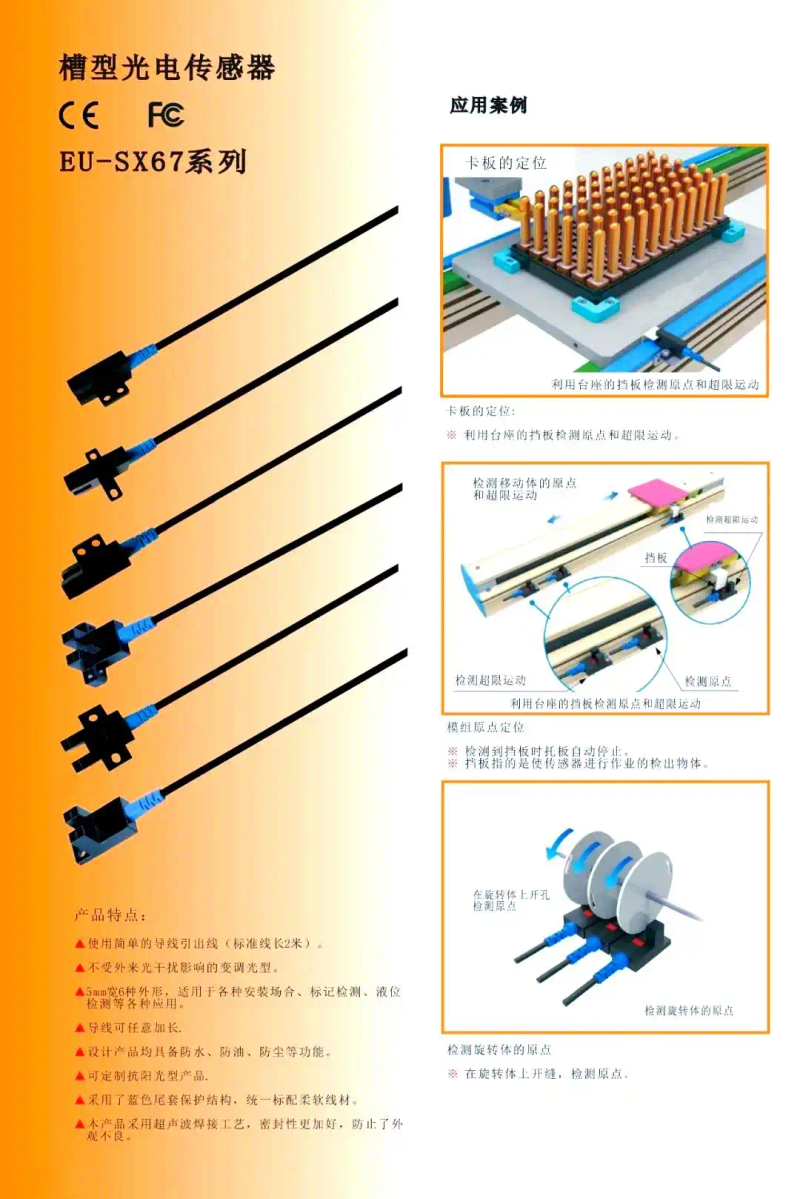
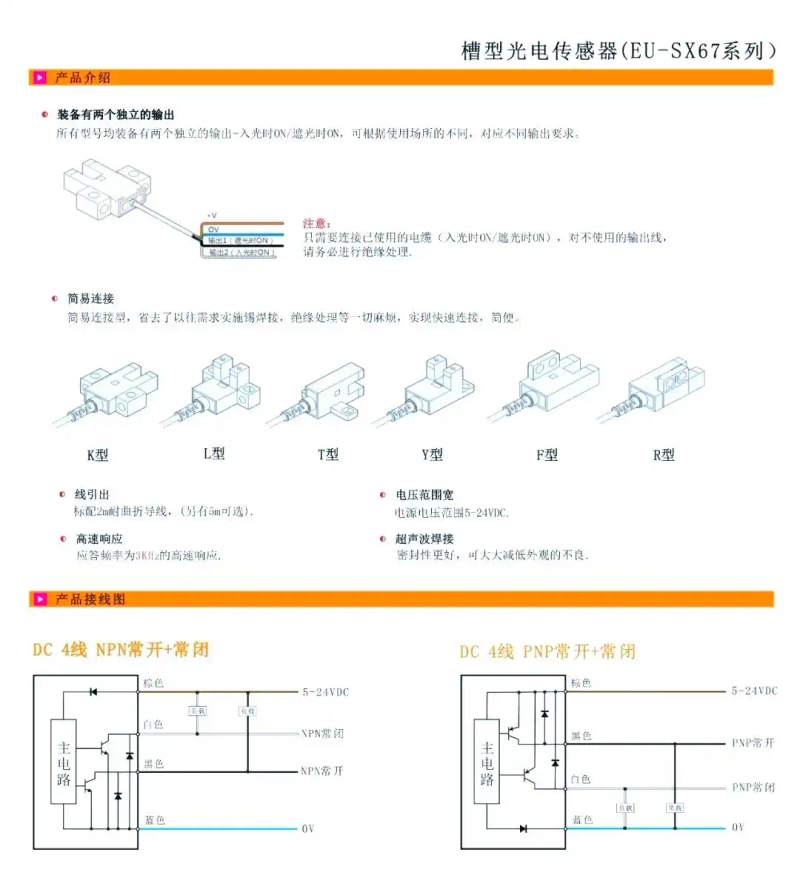
Cell-type pv sensors work as follows: the sensor places a light launcher and receiver on both sides of the tank structure. When there is no object shield, the light receiver is able to receive infrared or visible light from the luminator. However, once an object passes through the chute and covers the light, the pv sensor triggers the action by exporting a switch control signal to cut off or connect to the load current, thus completing the control action. Notably, the detection distance is limited to the overall structure, usually only a few centimetres。
Characteristics and limitations
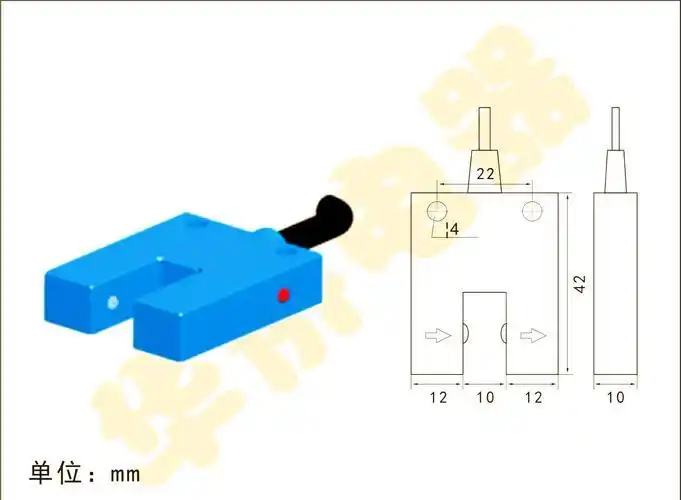
In addition, pv sensors in slots have some unique characteristics. It integrates infrared transmitters and receivers, forming a light axis, and the sensor produces a switch signal when the object passes and breaks the axis. Such sensors are not only safe and reliable and are suitable for detecting high-speed changes and for identifying transparent and translucent objects, but also for regulating sensitivity. It reacts quickly and has a high resistance to interference and can be directly connected to logical circuits and pv coupons. However, in certain environments, care needs to be taken to protect the use of slot-type photovoltaic sensors. For example, in more environments, such as organic dust, lenses are vulnerable to contamination, resulting in light dispersion or shade, thus affecting sensor performance. In addition, while sensors are generally not affected by general lighting, direct exposure to strong light, such as solar light, may result in mishandling or damage to sensors. Therefore, the selection and use of slot-based photovoltaic sensors need to be considered in an integrated manner according to the specific application environment and needs。
02 use of environmental care
In high dust or strong light environments, care needs to be taken to protect sensors from light contamination or interference leading to mishandling。
03 introduction to lawn
RaÚn, a leading manufacturing firm that combines research and development, design, production, marketing and service, focuses on innovation and quality of sensor products. Its product line is broad and covers multiple types of sensors, such as security rasters, detection of curtains, reflecting rasters and the provision of professional sensor solutions for customers. RaÚn's products play a key role, whether in the areas of new energy lithium power, 3c automated perimeter equipment, or orbital traffic, intelligent homes, etc. The company is committed to contributing to the development of china's intellectual intelligence and industry at 4. 0, in keeping with its business philosophy of “quality from a professional perspective and reputation from a service”, and looks forward to working with you。