Special distribution climate memoory
I. Five non-equator rainforest climates:
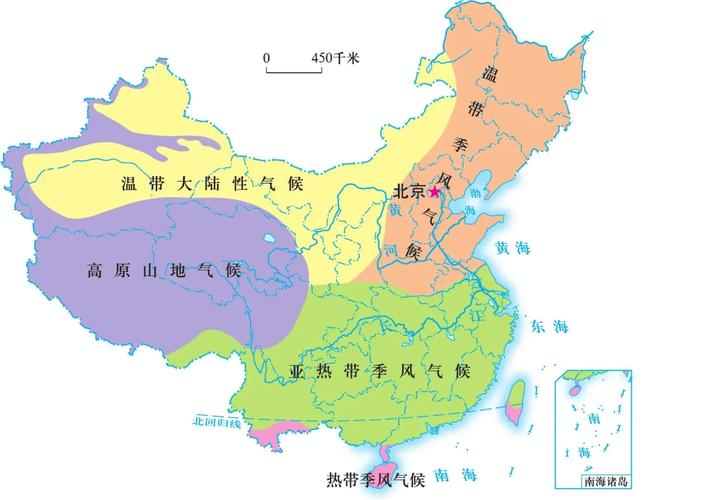
The general tropical rainforest climate is located within 10 latitudes on both sides of the equator, but it also occurs near the line of return, as in the case of the caribbean coast of central america and its east-east islands, such as the west indies; the narrow stretch of the coast on the eastern side of the brazilian highlands of south america;3 the eastern side of the african islands of madagascar;4 the pacific islands of hawaii;5 the coast of queensland in north-eastern australia. These places, far from the equator, also have a tropical rainforest climate. The five are high throughout the year, the coldest average is slightly lower and the year is slightly lower, with precipitation in comparison to the equatorial rainforest climate, with slightly more precipitation in the summer and no significant dry and wet seasons compared to the savannah climate. Their distribution patterns are characterized by the following characteristics: 1 on the eastern coast of the continent and in tropical seas at 15° i-25° n;2 they are all in the wind zone of the wind from the sea, and there is a warm flow in the vicinity;3 together with the lifting of the terrain and heavy rainfall。
Ii. Savannah climate in east africa:
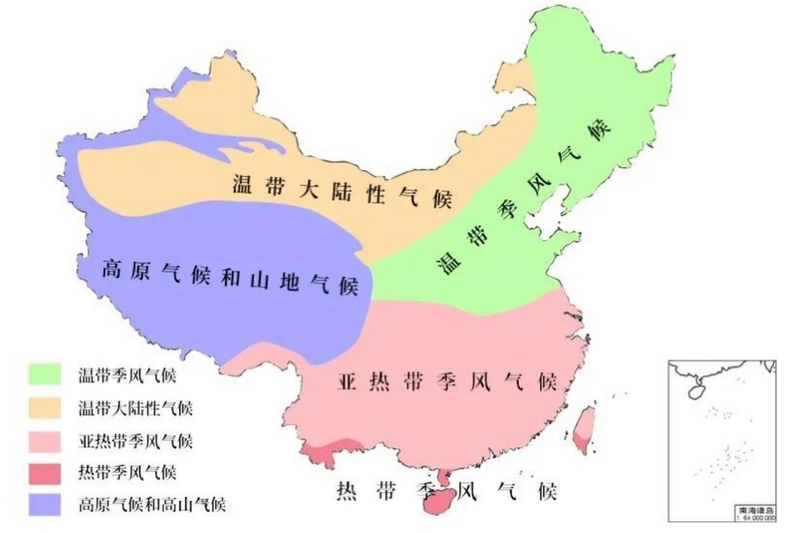
Around 5°-1-10° north and south, 28 east african plateaus east of e are not tropical rainforest weather near the equator. Its main manifestation is the year-round high temperatures, marked dry and wet seasons, which become tropical savannah weather. This type of climate formation is mainly due to the terrain of the area, the nature of the gas mass and the characteristics of the atmospheric circulation。
The indian tropical desert climate in south asia:
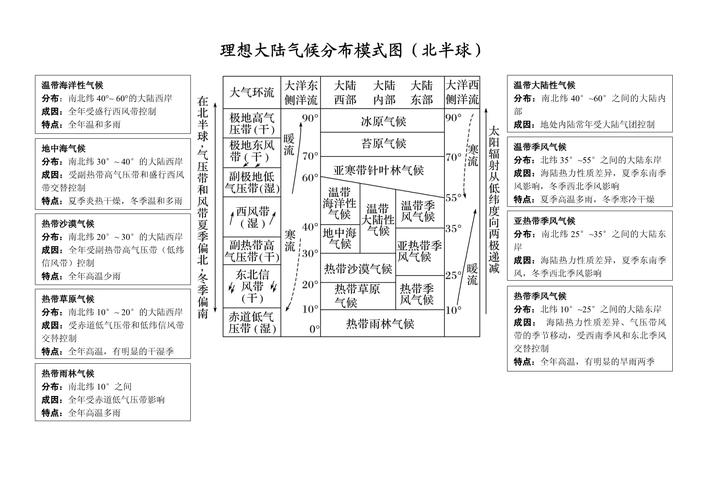
At the border between india and pakistan, while situated on the western and western sides of the indian peninsula, and on the eastern side of the indian peninsula with the world's largest rainfall, the precipitation is in sharp contrast (annual precipitation is only 75-150 mm) and forms the tropical desert climate, owing to the fact that: 1 in the south-western monsoon wind stream brings low water vapour at the end of the road, from which it is difficult to cause cloud rain following a mountain-blocked run-off in the ganga delta, from which one in the gulf of monga is reduced westward, with another in the arabian sea, passing through africa and the arabian peninsula, is inherently dry, with a narrow ocean surface, with very little water vapour; 2 high-pressures, which are low in the summer, but has a shallow vertical level of development, which is affected by the sub-tropic high-pressures on the eastern side of iran's high plateau; 3 is affected by the terrain, which has blocked the cold air in the north and west by the highlands of the mountains, and is therefore very high in the latitudes of the latitudes, which the indian is so that the iv. The temperate continental climate in the patagonian plateau in south america:
The patagonian plateau in south america, close to the sea, is a temperate continental climate that forms a semi-arid desert climate in the temperate zone and the highest latitude (40°s-52°s). The pacific coast on the western side of the same latitude is temperate marine climate. This is due to the fact that: “the males of the andes heading north and south on its west side block the warm and humid western winds of the west, turning them into a back wind zone”;2 (a) the area is controlled throughout the year by the western wind belt, which, following its passage through the andes, is a reaction to the cyclone, resulting in the drying up of the region and less rain; the region is characterized by high latitudes, with less access to temperate cyclones and less precipitation; the effects of four cold currents, which have the effect of cooling and dehumidizing coastal areas, have resulted in less rainfall along the coast. Fifth, scandinavian west side climate type: temperate marine climate. Cause: increased temperature and humidity as a result of the warming of the north atlantic ocean, the largest ocean current in the world. Similar to north america's medium- and high-latitude temperate oceanic climate, the difference is that north america's medium- and high-latitude temperate oceanic climate, influenced by the surface contours of the sea, is at a higher latitude than the temperate oceanic climate in western europe. Vi. Catalog climate type: temperate continental climate. Cause: low precipitation due to the presence of the andean mountain, which is on the back slope of the west wind. There are cold flows along the coast, cooling and damp. The distribution pattern reflects non-zonal patterns。