One--
The button function and the working principles of the utility
The button function and the working principles of the utility
The bits are adjustable electronic components. It's a resistor and a spin or slider
The system is vital. When the pressure is between the two fixed shocks of the resistor, it's the only thing that's going on
The position of the contact point on the resister is transformed by a rotating or sliding system at the active contact point and fixed
Between the contact points, a position with all the electrical resistors can be where the motion points are located。
The utensils are often used as a sub-pressurer, i. E., through the utensils is a four-way network
Shape。
It's basically a slide transformer. There are several styles. They're usually used for loudspeakers
Volume switches and laser head power adjustments。
The bits are adjustable electronic components. It's a resistor and a spin or slider
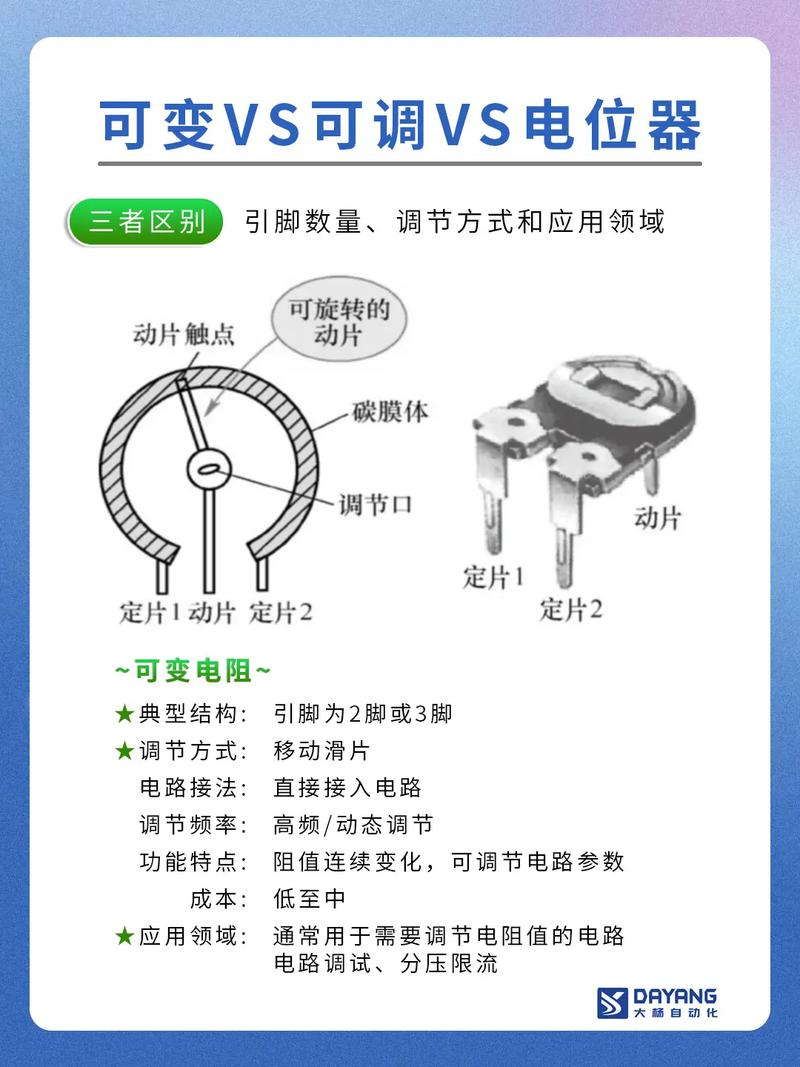
The system is vital. When the pressure is between the two fixed shocks of the resistor, it's the only thing that's going on
The position of the contact point on the resister is transformed by a rotating or sliding system at the active contact point and fixed
Between the contact points, a position with all the electrical resistors can be where the motion points are located. There's a voltage
Positive relationship。
Placers are often used as sub-voltagers, i. E. Through a biter is a four-way network component。
Characteristics of the electrical structure
There are two fixed endpoints for the electrical resistance of the bits. By manually adjusting the rotation axis or slide handle
Change the position of the moving point on the resistor and the power between the moving point and any fixed end
Impediments to transform voltage and currents。
Two--
Place name and label
1. The regulation of the naming of electrons is identical to the regulation of the naming of electrical resisters
It starts with the class letter w。
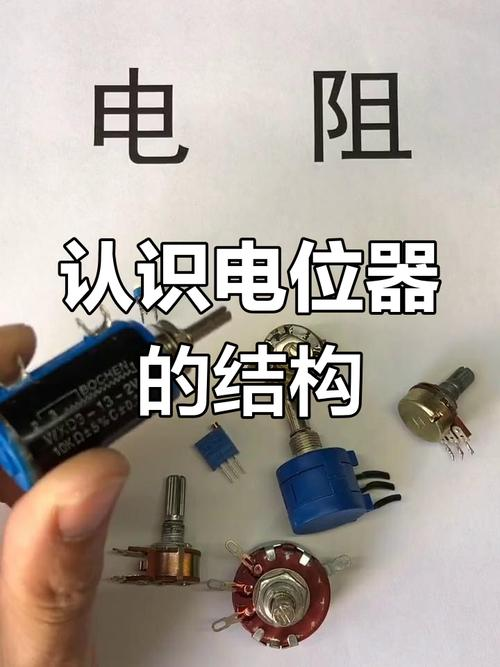
2. Placers are labeled in such a way that they are generally directly marked. Electron counter
The shell shall be marked with letters and numbers indicating its type, nominal power, electrical resistance value, and electrical resistance value and the value of electrical resistance
Turn around. For example, wt-ii-1-k-x-bits can be expressed as single carbon membrane-bits ii
Type, 1w, resistance 1k, curve linear。
Point button classification and model
I. Categorization by electrical resistance material:
1. Tire-wire bits: metal or non-metals surrounded by electrical resistance wires with insulation material
The plate is made。
It can be classified as a production utility, precision, large power, pre-fixed circuitr - type
No. Wx
2. Wireless circuits: can be divided into solid and membranes。
Solid by bits: can be divided into 1 organic chemical synthesis-ws, 2 inorganic material synthesis
- win, 3-conductor plastic-wd
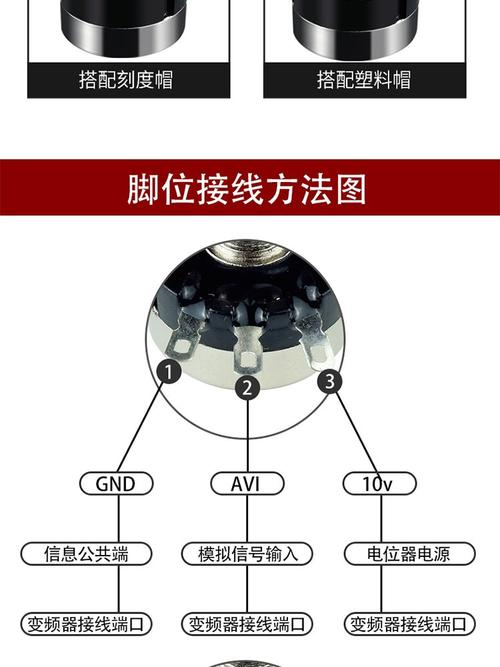
Membrane bits: can be divided into 1 carbon membrane bits - wt, 2 membrane bits - wj。
Ii. Categorization by mode of adjustment: 1 rotation, 2 pull, 3 slides
Bits
Classification by patterns of electrical resistance: 1 linear, 2 index, 3 logarithmic
Iv. Classification by structural characteristics: single, multi-cycling, single, double, multiple, branch
Switches, locks, non-locks, stickers
Three--
V. Differentiation based on data-driven progress: 1 hand-adjusted level, 2 electric
Adjusting the level。
Vi. Other classification methodology: 1 general classification, 2 magnetic classifications, and sensitivity classifications
Three types, four types of electronic classification and five types of step-by-step classification。