It's mostly a mistake to fill a fish tank with water grass and feel that “weed is too much = oxygen = water quality”, and in a few days, fish are very frequent in their breath and even in their belly. It's time to swoop: why is there a lack of oxygen when there are enough water and grass
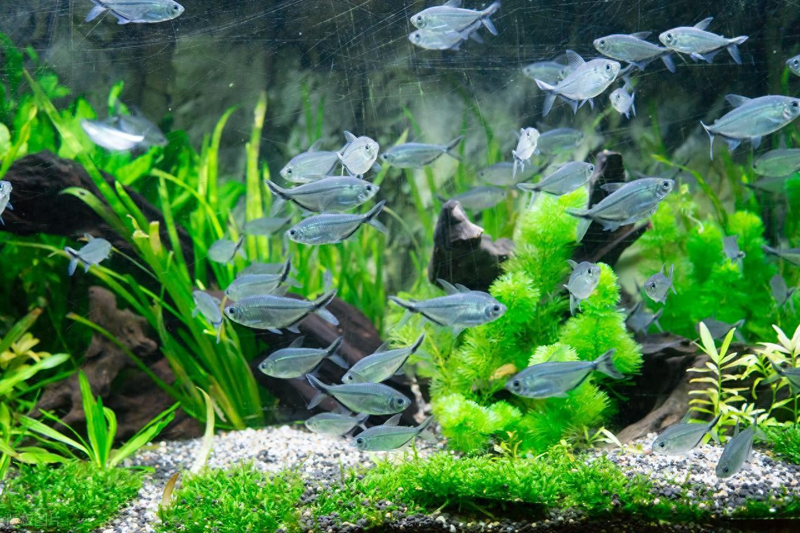
In fact, the answer is subversive: instead of keeping as much water as possible in the fish tank, one third of the water is deliberately left empty, so that fish do not lack oxygen and water quality is more stable. Have you ever stepped on a pit full of water? Have you ever seen a fish head without a reason? Today, the key to fish farming is to be broken down in white, from the cause to the exercise, with new hands on it, and fish having a steady water quality。
First of all, why is there so much water and weed that fish lack oxygen
Many mistake it as a 24-hour aerobics machine, but it's a two-sided pie — producing oxygen during the day, stealing oxygen at night, making it too much an oxygen assassin in a fish tank
1 oxygen is limited during the day and oxygen is crazy at night: when there is light, the water grass produces oxygen by photocosm and looks at the bubbles, but the amount of dissolved oxygen in the water is capped, and the extra oxygen floats away and cannot be stored. But at night it was empty, and the photosynthesis stopped, and the weed began to breathe oxygen and drain carbon dioxide like fish. If weeds are too dense to consume more oxygen at night than they are produced during the day, the fish lose oxygen in the early morning hours。
2 sequestration, extra oxygen consumption and bad water: the water grass is too dense, and the rest of the feed, the fish, will be stuck in the suture of the grass and will not be cleaned out. When these dirty things rot, they take oxygen from the water and produce toxic substances. Also, in unventilated water heaps, grass at the bottom rots without light, which not only consumes oxygen but also pollutes water quality, and fish are both oxygen-depleted and poisoned and naturally live long。
There was a rookie, 60-cm fish tank, who planted all the grass, and the next morning, five peacock fish were found dead because the herb was too high for oxygen at night. This is not an example of a lot of people falling into the wrong zone of "water grass as much as possible."。
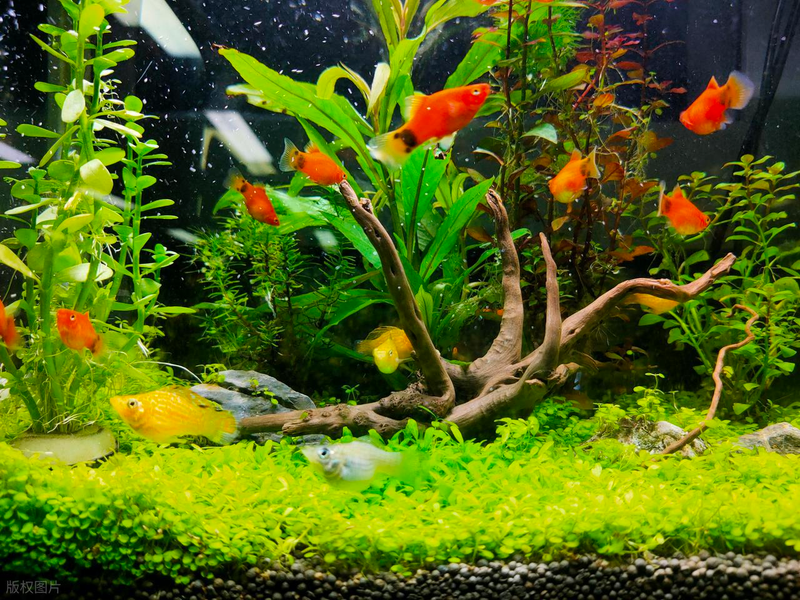
Key: one third of the water is empty, and the benefits are not only oxygen
Instead of preventing the planting of water grass, it is “difficult” to leave at least a third of the blank waters. Don't underestimate this empty water. It's bigger than i thought:
1 oxygen cycling is smooth and fish are not suffocated: empty waters are like “ventilating vents” of fish tanks, filtering water flows can flow smoothly, bringing oxygen to all corners of the fish tank without local oxygen deficiency. Especially at night, it relieves pressure on water herbs and fish for oxygen, and fish are no longer able to breathe in the morning。
Fish have a place to move and are stronger: they also need room to move, with their cask filled with water and water, and they have to scrambling around in the cracks, with long stress and poor physical condition, and they are vulnerable to leaf cuts. With enough activity and increased immunity, fish can travel freely and even in groups。
3 easy to clean and water quality is more stable: not so much weed cover as the fish can be seen to be eaten and the leftovers can be recovered in time; water exchange and the cleaning of fish tanks are not hard enough to reduce the accumulation of dirty stuff. Water quality is stable, fish are less ill and water is not exchanged daily。
And from the point of view, it's also a trick. It's as if china's mountains are white, and when the fish swim, they can see it clearly. It's much better than a weed pile filled with water。
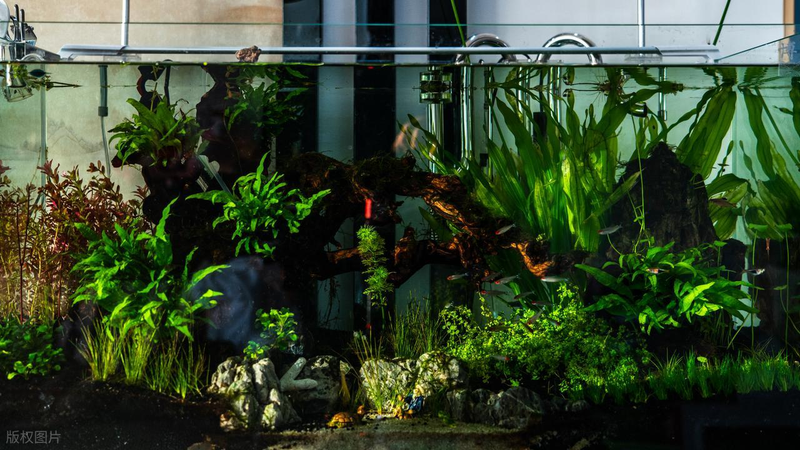
New hands: how do weeds grow and a third of the empty water is right
Without a complicated formula, the three simple ways, no matter how big a fish tank:
1 based on the pattern of “pre-low-low-low-high”, nature remains white: this is the most economical view: one third of the short grasses (e. G., moss, mini-breed), medium-high grasses (e. G., plums, mini-breed), and one third of the high grasses (e. G., grass, green dask) are naturally formed on one side of the fish tank, which is either good-looking or clean。
2 control the total amount of water grass, not more than 70 per cent: in any case, it covers more than 70 per cent of the fish tank. For example, 60 cm fish casks, where weeds are planted on either the left or the right side, leaving blanks on the other side; a smaller 30 cm microcylinder, where weeds are rarer, with at least half of them left white, or are prone to oxygen shortages。
3 picking water grass by size of fish tank is more stable for newcomers: other large and fast-growing waterweeds (<40 cm) tend to grow in size (e. G. Grass, green daisy) and slow-growing ones such as moss and small water cisterns; large casks (>80 cm) can build several more, but they also have to create substrates, such as rear-view grass, white for the future, and not all over the tank。
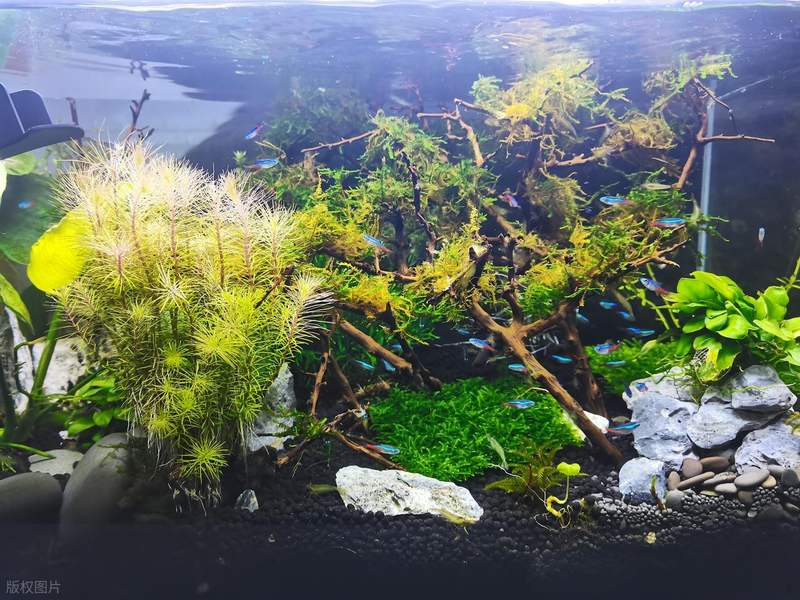
A guide to the pit: in these three cases, the water and grass will roll over
In addition to leaving blanks, there are no other kinds of water and grass in these three situations; otherwise there are problems:
1 tiny + high oxygen fish: a 30-cm small tank of goldfish, shrimp tiger fish, which is oxygen-intensive, with multiple water herbs, at night, without oxygen, and soon to die。
2 inadequate light: less than four hours per day for lights, weak water-grass cooperation, low oxygen production and consumption of oxygen at night, even if the grass is not too large, can lead to a lack of oxygen in fish。
3 no oxygen pumps + weak filters: if the fish tank is not pumped, the filtering stream is small enough to bring enough oxygen, and many other water plants are added to the fish's survival and can easily be turned over。
New hands small-pit avoidance techniques: if you don't know if weeds are growing too much, look at the state of the fish. – if fish floats frequently, does not like to swim, or the water stinks, the rate is probably too much water grass, and they pull out a few bushes and leave empty waters。
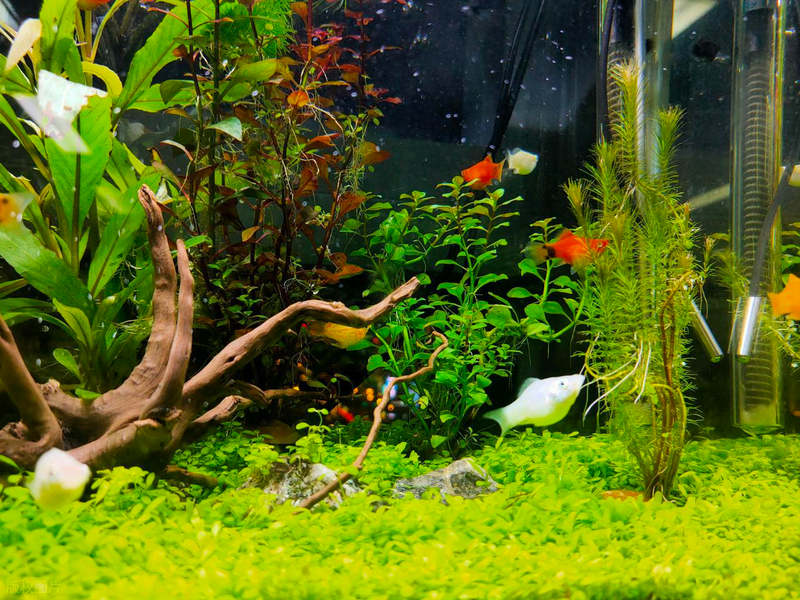
Old fish friends in action: 2 provincial matchmaking programmes, direct job copying
1 60cm standard tile (new hands preferred): the rear scene plants two gills + one curvature, the middle view binds two bouquets of water to the sunken wood, a small moss for the foreground, leaving blanks on the left side of grass and on the right side. With eight red and green lights plus five black shrimps, fish never float without oxygen pumps, and water quality remains clear and clear。
2 30 cm micro-cylinder (desktop section): only a small stream of water is planted in the corner of the tank, with a small piece of mose tied to the stone and the rest left white. Two zebra fish + two bouquets of lanterns are replaced by one third of water per week, with little control, and fish are particularly stable。
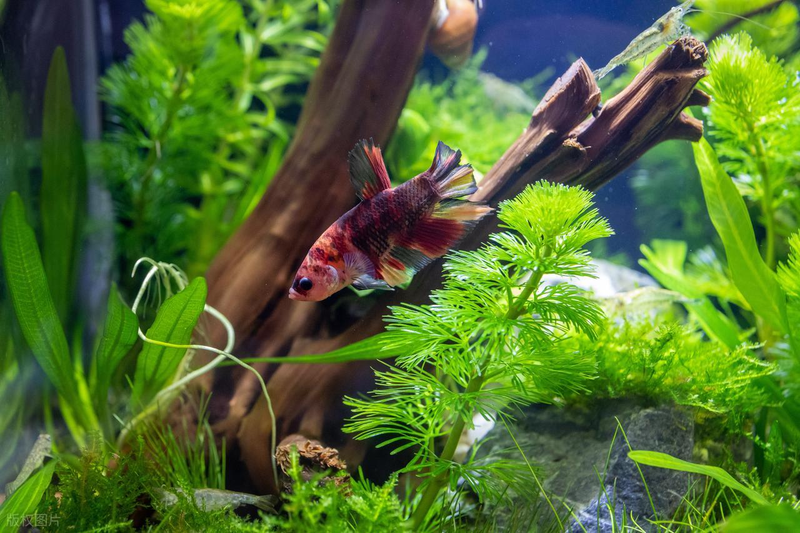
Finally, we'll save our lives before we talk about our future. Look
Let's get rid of the “filled grass” and remember the core: the fish tank has at least one third of the blank water, and the grass is covered by less than 70 per cent, so that the oxygen is cyclical, the water quality is steady, the fish is not oxygen-depleted, and the fish are less ill. Weeds are used to glorify the environment and to assist in stabilizing water quality. The more the better, the more the greed, the more the fish。
If there are any more specific questions, such as, "how do we leave a blank in my 45-cm tank?" "can we have a lot of water?" you can leave a message and you can see it. If you find it useful, forward it to your friend, who's worried too much about the water grass, to help him avoid the pits and produce a solid fish tank