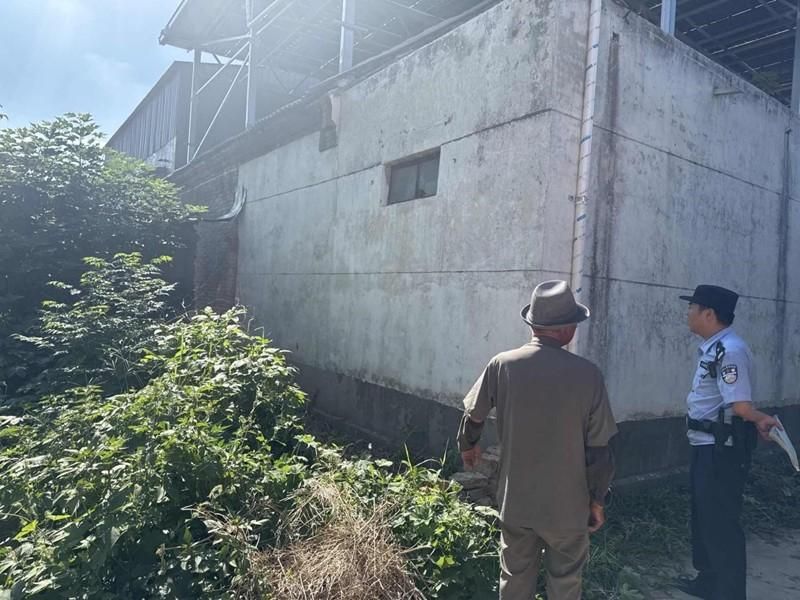
Summary: this paper provides an overview of the methods used to detect some concrete cracks and analyses their causes。
Keyword: concrete cracks, cracks, cracks, cracks, cracks, cracks
I. Preamble
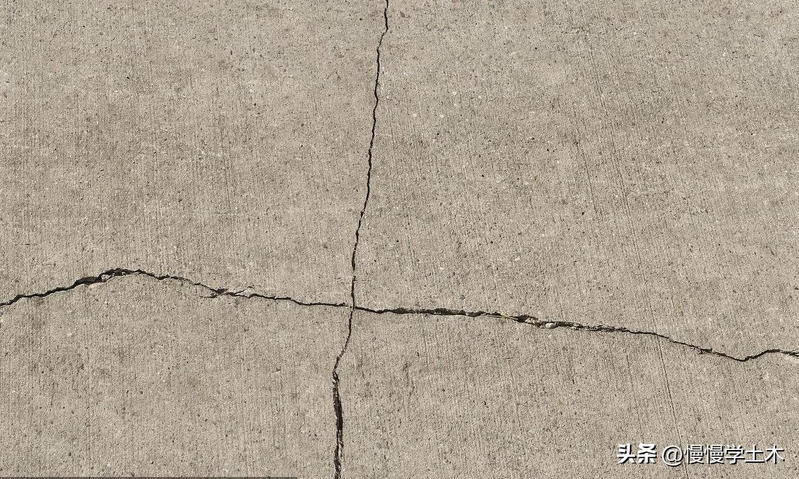
Concrete cracks are a widespread problem in construction work, and excessive cracks not only affect the appearance of structures, cause anxiety among users and affect their normal use, but also lead to the erosion and acceleration of the ageing of concrete in concrete, undermining the integrity of buildings and the carrying capacity and reducing the durability of concrete structures. The concrete structure design instructions (50010-2002) provide for the measurement of the width of the cracks in combination with the load effect criteria and taking into account the effects of long-term effects of components that are allowed to crack in use, and that the maximum crack width of the components shall not exceed the limit of the maximum crack width specified in that standard。
Ii. Causes of concrete cracks
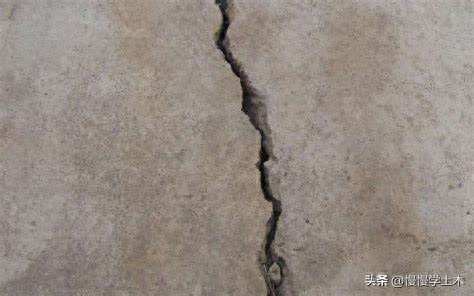
Concrete cracks are complex and relate to structural design, construction, use of the environment, and materials themselves, but can be grouped into two broad categories: structural cracks and non-structural cracks. Structural cracks are caused by inadequate structural carrying capacity; non-structural cracks are caused by deformations such as concrete contraction, temperature changes, etc。
Iii. Concrete crack detection
In general industrial and civil buildings, cracks with a width of less than 0. 05 mm are not dangerous for structural use and need to be tested for analysis, evaluation and treatment of cracks above 0. 05 mm。
The crack detection consists of, inter alia, the location, form, distributional characteristics, width, length, depth, direction, number, time during which the crack occurs and develops, stability, presence of seepages within the cracks, concrete surface mass around the cracks, etc。
The location, number, direction, etc. Of the cracks are recorded in the form of photographs and the drawing of cracks. The length is measured by a straight and roller ruler, and the width can be measured by a crack width ratio to a card (the beijing metallurgy fusion processing centre is free of charge and can call upon request). The depth of the cracks can be tested using ultrasound or local extraction, which can be verified by drilling core samples if necessary. The ultrasound method requires the absence of water or sand in the cracks, as specified in the technical instructions for the detection of concrete impairments by ultrasound (ecs 21:2000). Development cracks should also be monitored, the width being measured either by covering plasters on horseback or by regular measurements of the same position using a crack width detector, and, for lengths, by periodic marking and observation at the end of the crack。
Examples of testing
General description of the work
An apartment building has an area of 3270m2, an area of 19390m2, the upper six floors and an area of 22 above the surface. 20m. The structure of the project is in the form of a steel-concrete frame shear wall structure, which is of one type and has a reasonable life of 50 years and an anti-earthquake-resistant 8 degrees. The concrete strength level c30, the steel bar mass hpb235, the resistant steel band 8@200, the distributed steel band 6@250, and the thickness of the floors except for the balcony of 100 mm is 120 mm. The concrete protection layer of the pre-burial tube in the plate is 30 mrn thick and the remaining position is 15 m thick. The two-storey one-axis-5 building saw a crack in concrete。
2. Basis for testing
(1) regulation on the quality of construction of concrete construction projects (gb50204-2002)
(2) technical instructions for reaction, ultrasound integrated method of detection of concrete pumps (dbj/toi-78-2003)
(3) technical instructions for electromagnetic insulation for the detection of steel protection layer thickness and steel bar diameter (db11/t365-2006)
(4) technical instructions for the detection of concrete strength by drilling (ceps03:2007)
3. On-site testing and analysis
(1) causal results
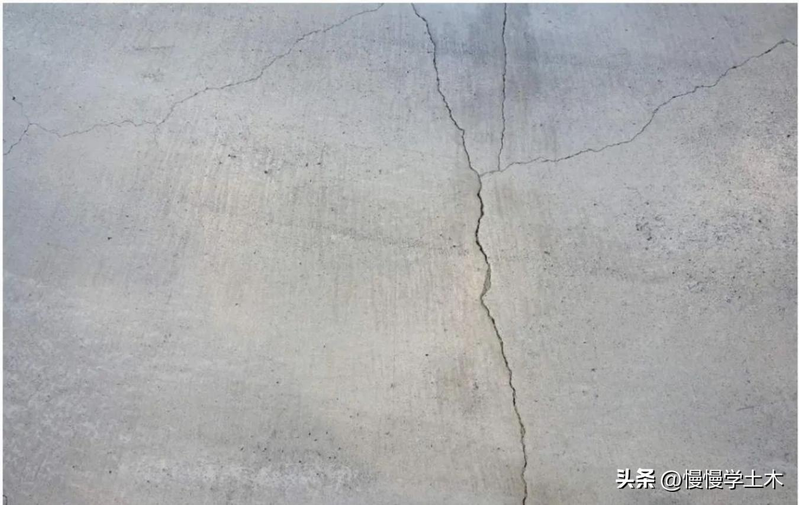
Following an examination of the cracks on the floor of the apartment, the surface of the building was 50-70 mm in length, in the direction of the basic parallel beams, with a maximum width of 0. 50 mm; the surface of the floor was more structured with a “well” shape, with a leaking pattern, indicating that the cracks were connected, moving along the bars, with the basic distance equal to the length of the bars, with a maximum width of 1. 2 mm。
(2) concrete intensity
The typical building plate strength is measured by rebroadcasting, and concrete cores are drilled to correct the rebuff results and obtain concrete resistance。
The test results showed that the concrete strength of the sampled floors was 30. 5-33. 6 mpa, all of which met the requirements of the concrete design strength level c30。
(3) component spasm testing
A magnetic sensor was used to detect the binding steel bands on the floor, which showed that the length of the bands met the design requirements, but that the protective layer was approximately 8 mm thick and small and did not meet the design requirements。
(4) analysis of the causes of cracks
A. The strength of the floor and the length of the bars are consistent with the design requirements, indicating that the crack is non-structured。
B. From the concrete matching reports provided by the construction party and the determination of the strength of the raw materials, concrete test blocks, the effects of the matching and raw materials on the concrete cracks may be excluded。
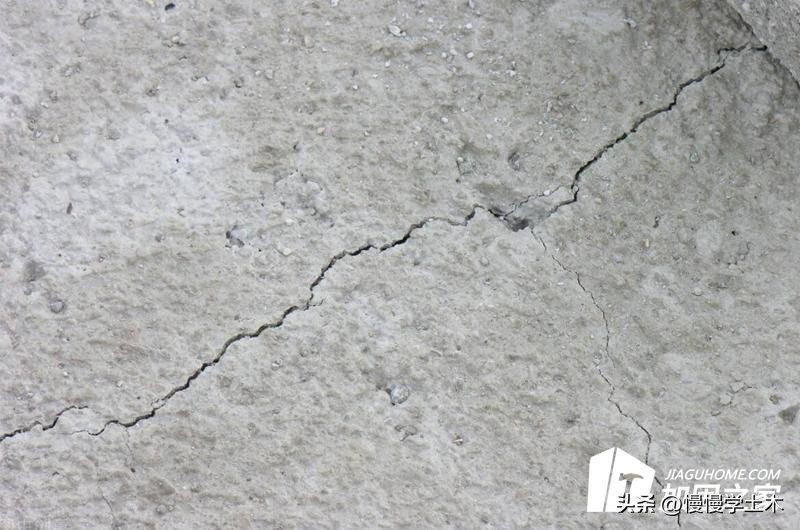
C. The inspection revealed that cracks had been found on the surface of the concrete prior to its finalization, following the completion of concrete injection, indicating that concrete contraction was the main cause of the cracks. As for the cracks on the lower surface of the floor along the bars, they were the result of the thinness of the concrete protection layer and the combination of concrete contractions。
Concluding remarks
A crack in concrete is not unrealistic, but it can be achieved through rigorous management, rational selection of materials, careful design, scientific construction, with a significant reduction of the visible cracks in the concrete, or those that are largely invisible. This will require the active cooperation and joint efforts of the engineering community。