Concrete is a construction material made of a percentage mix of cement, water, sand and stones. It has good plasticity, which can be sprung into shapes before it is hardened, with higher intensity and durability. The following are the definitions and classifications of concrete:
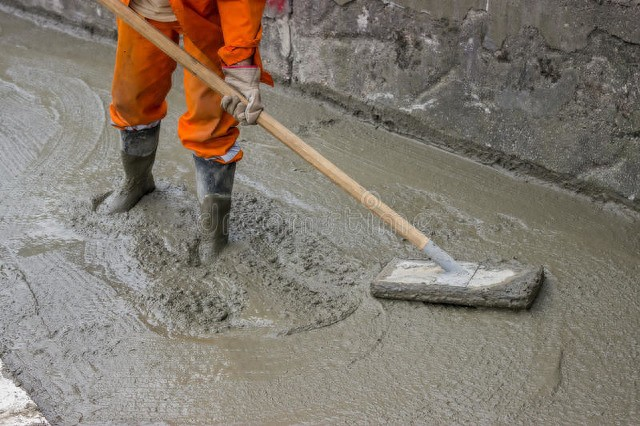
Normal concrete: concrete with dry surface density between 2000kg/m3 and 2800kg/m3 is the most common type of concrete in the building. Dry-hard concrete: the mixture collapses at less than 10 mm and needs to be expressed in terms of the density of the concrete using a vitamin (sec). Such concrete is dry and difficult to move and applies to specific construction conditions. Plastic concrete: concrete with a condensation of 10 to 90 mm, with a degree of plasticity, can be shaped and adapted to construction scenarios that require some mobility. Mobile concrete: concrete with a drop in blends between 100 mm and 150 mm, which is more mobile, easy to move and fill in templates, suitable for construction scenarios that require high mobility. Visible concrete: concrete with a level of resistance of not less than p6 and with a good permeability, which prevents water infiltration and applies to structures that require water protection. High-strength concrete: concrete with a level of intensity not less than c60, with a high stress resistance, suitable for structures requiring high-strength strength, such as high-level buildings and bridges. Pumping concrete: concrete that can be poured through pressure pumps and pipelines at the construction site to facilitate construction, reduce manual operations and apply to large-scale works. The bulk concrete: the larger concrete structure, the temperature stress caused by the hydrocrystalization of the concrete material may lead to harmful cracks, requiring special construction and conservation measures such as cooling systems and temperature control. Rubber materials: the sum of cement and active mineral blends in concrete is the key material for hardening and acquiring strength of concrete. The type and use of the concrete material directly affects the performance of concrete. Cement usage in concrete per cubic metre combined with the use of active mineral blends, affecting the strength and durability of concrete. A reasonable amount of concrete can ensure that concrete performance meets design requirements. Hypothetical ratio: the ratio of water used in concrete to the mass used in concrete material is an important parameter that affects the strength and durability of concrete. Low water glue ratios usually increase the strength and durability of concrete. Mineral blending: mineral blending in concrete as a percentage of the quality of the material used for concrete can improve the performance of concrete, such as increased durability and workability. Extra-mixing: the percentage of the volume of the mixture used in concrete relative to the quantity of the mass used in the concrete material is used to adjust the performance of the concrete, such as increasing strength, improving working performance or slowing the condensation time。