Have you ever seen in the news that the sky actually rained hours later when the rockets emptied and the smoke of a white tail came up? This sounds like a "wind-in-the-storm" psychic, but it's not a myth, but a real application of artificial rainfall technology. In fact, artificial rainfall — also known as artificial rainfall — cannot be controlled as freely as it does by opening the tap, but it also requires the use of a “sky machine”. So, what is the principle of artificial rainfall
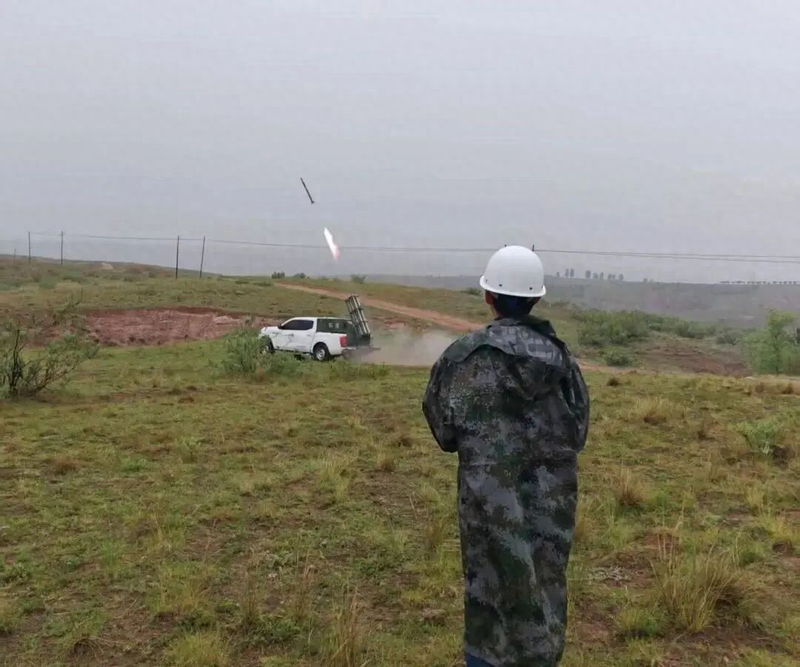
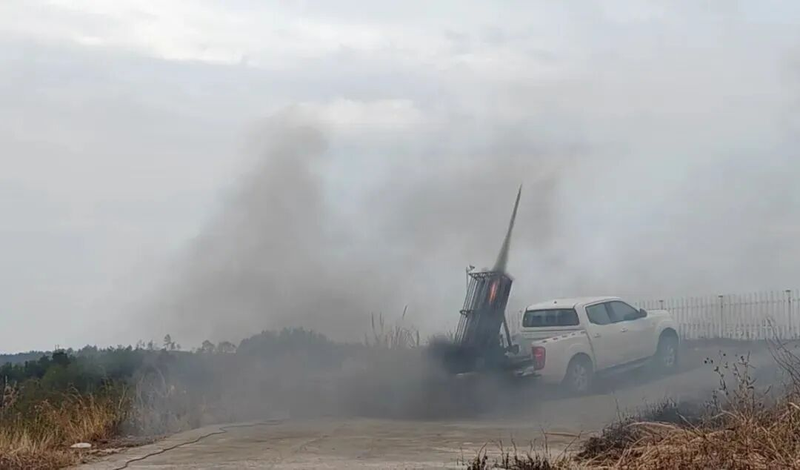
Artificial rain-added rocket launch instantaneously (photo source:)
Fundamentals of artificial rainfall
The core idea of artificial rainfall is not to create water by air, but to take advantage of the already existing water-gas conditions in the atmosphere to help them accelerate condensation, cloud formation and, ultimately, precipitation. In other words, artificial rainfall is essentially artificially “catalyzed” a process that could have taken longer。
The water in the air is condensed into droplets, gathering into clouds. When water drops reach a certain size and weight, the rising air current is overcome and drops in the form of raindrops. Sometimes, however, clouds, while present, are unable to rain because of inadequate conditions, thus giving room for artificial rainfall techniques。
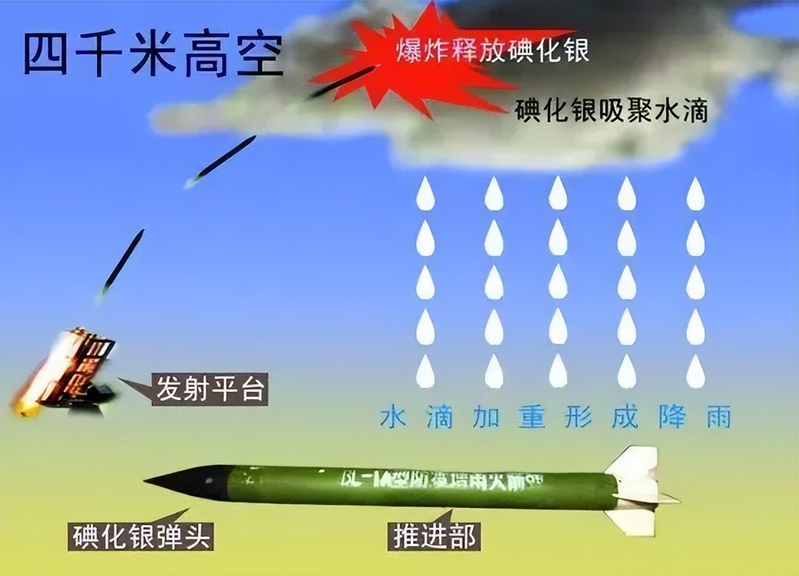
The most common method of artificial rainfall is to sow catalysts (photo source:)
The most common method of artificial rainfall is to sow catalysts such as silver iodization, dry ice or salt particles. These substances can act as “condensed nodules” or “ice cores”, allowing cold droplets to condensate rapidly into crystals, which grow, merge and eventually fall into raindrops due to gravity. It can be said that this method is not “making rain”, but “leading rain”。
It's not like it's going down: three prerequisites for manual rainfall
Many people thought that artificial rainfall was all-powerful, and the sky would rain when a few rockets were fired and silver iodized. But that is far from the case, and the success of artificial rainfall depends on three key conditions。
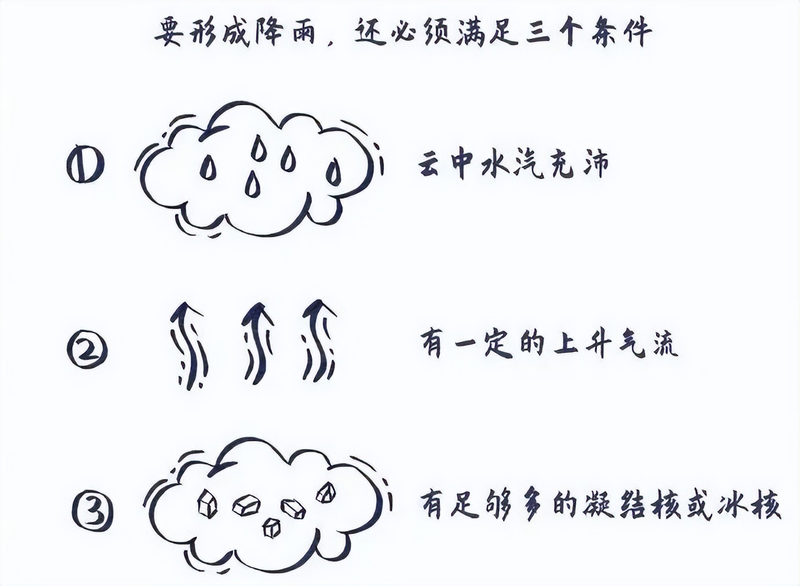
Several conditions are required for rainfall to be formed (photo source:)
01
There must be clouds
If the sky is clear and there are no clouds or clouds, artificial rainfall is impossible. Clouds are the “materials” of rain, without raw materials and with no technology。
02
We need enough steam
The cloud contains too little water vapour to reach the precipitation standard, even if the catalyst is dropped, and will end up “empty with a basket of bamboo”。
03
The air flow must be right
If the upswing is too strong and the drops fall before they fall, they will be put up again; on the other hand, they are too weak to grow up adequately and the amount of rain will not increase significantly。
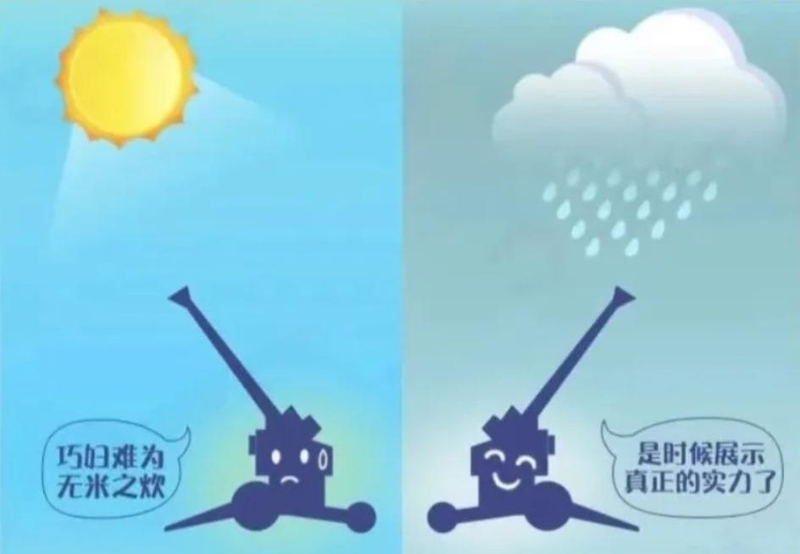
(source:)
As a result, artificial rainfall is more like a “freshing” than a “blowing of carbon in the snow”. Scientists must carefully analyse the weather system and choose the right timing to maximize the success of rainfall。
How much does weather work
Since artificial rainfall takes days, what is the impact of weather conditions? The answer is — decisive。
Prior to manual rainfall operations, meteorological services conduct detailed weather monitoring and forecasting to determine whether conditions exist in the target area. Typically, the ideal cloud system is a rain cloud or a layered cloud, with a peak temperature between 5°c and 15°c, a cloud thickness of at least 2 km or more and a water vapour content of a certain standard. If conditions are too poor, artificial rainfall is imposed with minimal effect。
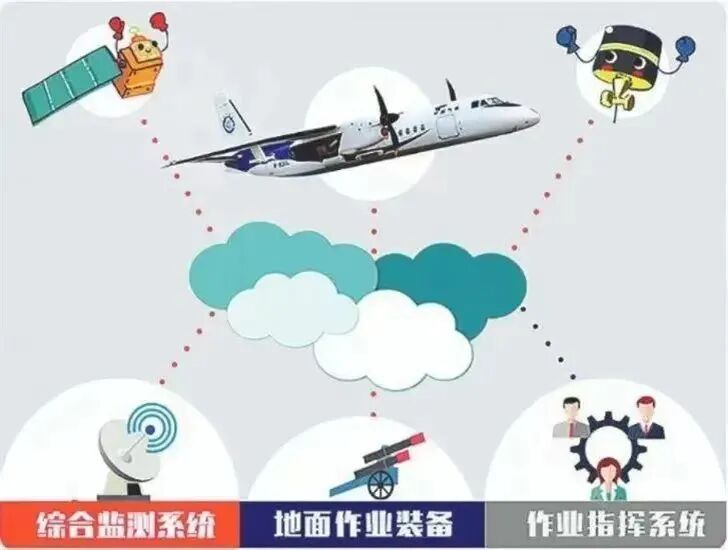
Artificial rainfall requires fine calculations (photo source: network)
Why are you so careful? Because of the complexity of the atmosphere, clouds grow, ice crystals are formed and raindrops fall, which are influenced by temperature, humidity and wind speed. Artificial rainfall operations are actually “cooperative” with nature, not hard-line interventions. Scientists say it's like touching a ripe fruit, and the fruit falls. If the fruit is not ripe, it's futile to shake the tree。
Main technical means of artificial rainfall
There are two main methods of manual rainfall: ground and air operations。
Ground operations
Often, rockets or artillery shells are used to inject silver iodized rounds into the clouds and to release catalysts. This approach is low-cost, flexible and often used in mountainous or inaccessible areas。
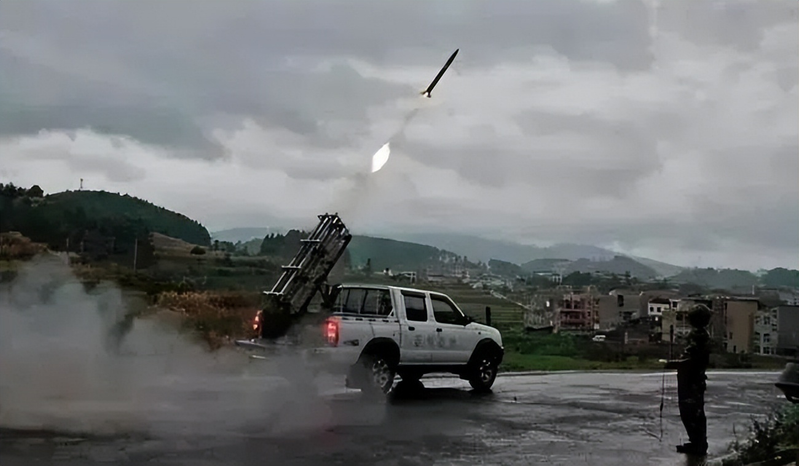
Ground operations (photo source:)
Air operations
Aeroplanes are required to travel through the clouds and sow catalysts along the road. This approach allows for more precise control of the place of delivery and is more desirable, but is costly and subject to flight conditions。
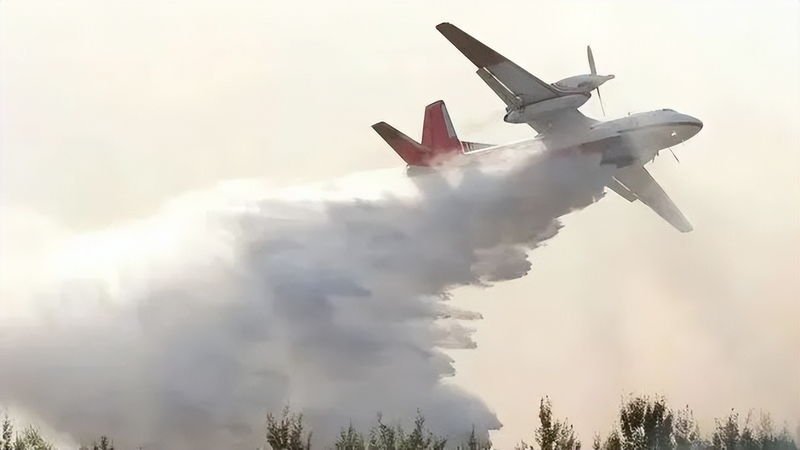
Aircraft catalytic operation (photo source:)
In recent years, drone rain-raising technologies have also emerged, using drone flexibility to compensate for traditional failures in high-risk weather. In addition, artificial rainfall is not just as simple as “sprays”, but requires advanced radar detection, meteorological modelling techniques, real-time monitoring of cloud changes and dynamic adjustment operations。
Application of artificial rainfall: more than just drought relief
Man-made rainfall is seen by many as merely mitigating the drought, but its use is far more than that. Prior to large-scale events, artificial rainfall was sometimes implemented in advance to clean the atmosphere in order to reduce contaminated particles in the air and improve air quality. During the forest fire season, artificial rainfall reduces the level of fire risk and reduces the risk of fire spreading。
Artificial rainfall reduces forest fire risk (photo source:)
In addition, in some areas where sand and dust storms are frequent, artificial rainfall helps to contain sand and fresh air. Even in some major events (e. G. Olympic games, military parades), artificial weather regulation is used to ensure the smooth running of events。
As such, artificial rainfall appears to be magical and is in fact a “coupling corner” for human beings on the stage of nature. It cannot create rain, it can only help it to arrive earlier and faster. It can be said that artificial rainfall is not a victory for “human triumph”, but rather a wisdom for “the time to comply”。