Section 3 long lens concept
I. Generation of long lenses:
Long shots, by definition, are longer feet. It is generally not less than 50 feet, with a maximum of 900 feet. It's a series of shots, not a lot of cameras connected. The long shot in the movie was very early, and it was the only way. The early long shot, it's all in a play, with a fixed long shot. This rigid approach has finally developed in griffiths and others into montaic theory, which has led to the rejection of eisenstein and to the creation of recent lenses. But there is a fundamental difference between recent and early long lenses。
The difference is:
First, from fixed to mobile;
Second, from spontaneous activity to conscious film techniques or techniques;
Thirdly, recent long-term lenses are a small part of the film, resulting in connectivity problems;
Fourth, more complex field movement;

There is a qualitative difference between the long lenses of recent times and those of earlier times. In aesthetic terms, recent long-term lenses have evolved from the limitations of montaic to a reaction to the montaic concept, but the generation of recent long-term lenses depends on a series of film technology。
Developments in film technology:
1 the emergence of voices: from silent to vocal films, the major technological advances of films always follow the new possibilities of artistic innovation. The presence of the first voice avoids a single expression of the lens, so that the lens does not have to switch as frequently as in the past to make it clear to the audience. In other words, a part of the message can be transmitted by sound, without all of it being placed on the image, so that the picture does not have to be interrupted and the lens continues。
2 use of deep lenses: so-called deep lenses are those that can produce the same vision and vision. This opens up a new landscape in the invisible, allowing for a continuum between the outlook and the rearview, avoiding the fragmentation of the lens. As mardan said: “the (deep lens) allows the director to carry out a deep field movement: the person is no longer present on the side of the yard or the garden, but appears in front or behind, and operates within the axieties of the camera, approaching or away, depending on the importance of their dialogue or the different patterns of each moment.” that is why the long lens is called the “event dispatcher”。
3 — development of the camera movement: the mass use of the motion lens was after the 1950s. Prior to that, no breakthrough had been achieved because the introduction of camera motion would cause particular problems with lighting, action design and camera length plans, increasing the difficulty and cost of filming. Today, as a result of the development of photographic technology, the problem of long-length lenses has been solved, thus providing technical conditions for their use。
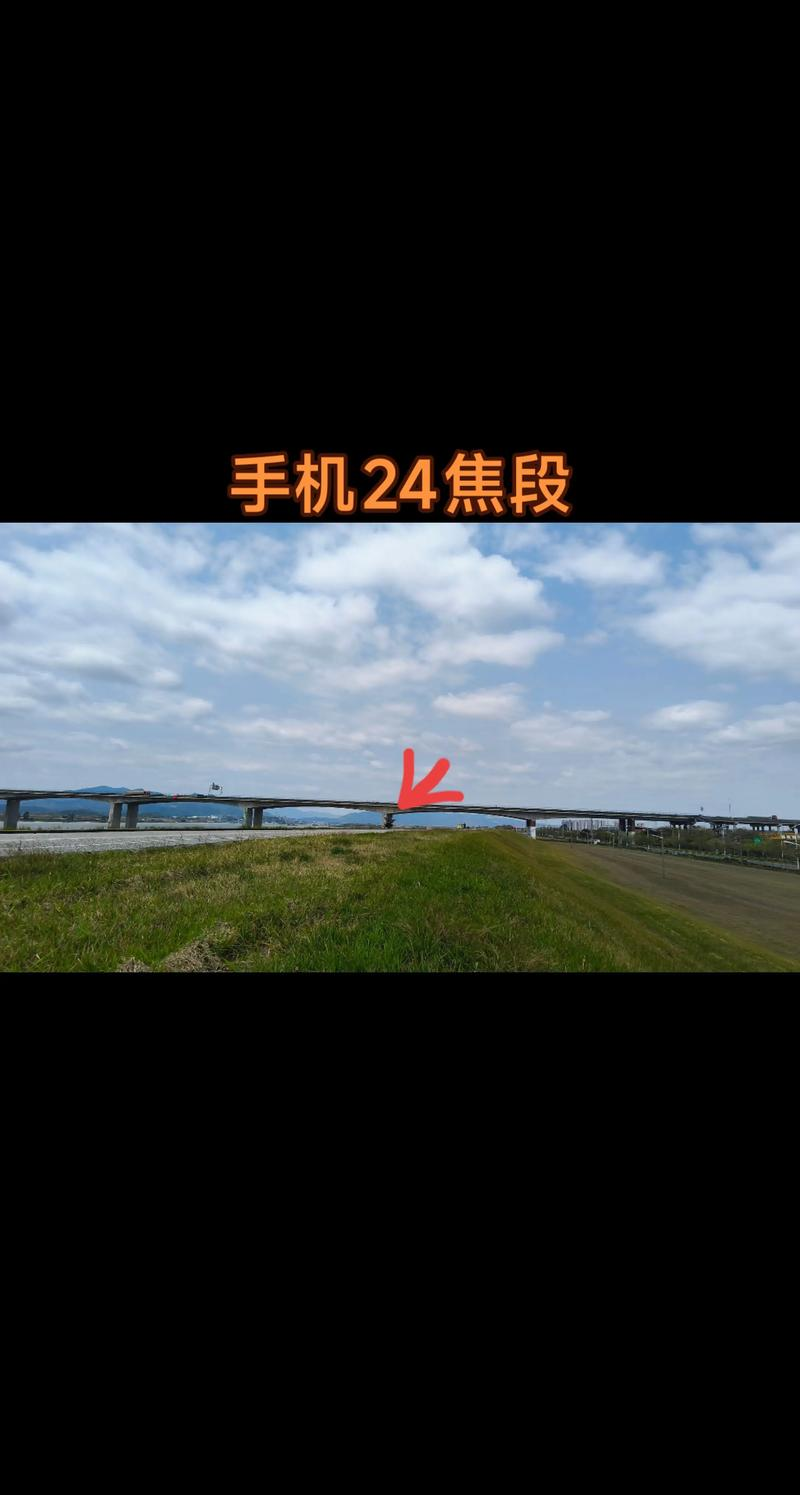
4 , expansion of the focus lens: the focus lens is a lens that combines long focus with short focus and is constantly focused. Because of its multi-focal function, it combines the advantages of short and long focus, and allows the content of a single lens to be taken into many different and interconnected images, as required by the situation, in a situation where the person's position or location is fixed. The use of the focus lens or the combination of the focus lens and the pull lens opens a new horizon for the long lens。
Long lenses can be seen as premised on the development of a range of film technologies, as a result of which film creators began to gradually shift their interest towards internal motion within the lens, rather than just inter-synthesis of the lens, and on that basis developed the theory of the long lens and elevated it to the aesthetic level. The representative of this theory is pazan of france。
Iii. Bazan's long-sight arters:
Bazin (1918-1958), french, film critic. It is also a key figure in the history of film theory. Bazan's film theory is not a systematic theory. His theory