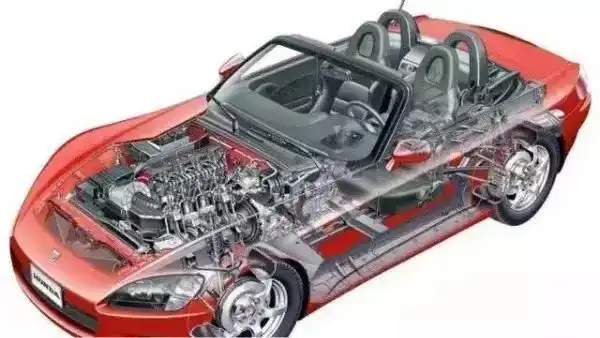
Vehicles are non-orbit-free-line vehicles driven by their own power units and with four or more wheels. Cars typically consist of four basic components: engines, chassis, body and electrical equipment. It consists of a mixer, a transformer, a all-way transmission axis, and a main brake, a differential and a half-axis in the drive bridge。
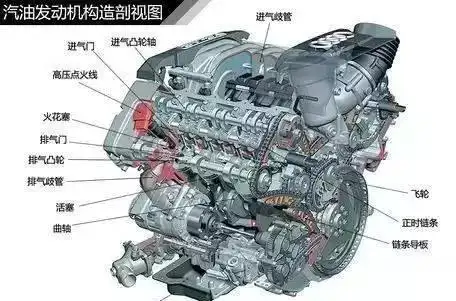
I. Engines
The motor is the engine that poweres the car and the heart of the car. The usual petrol and diesel engines, which are internal combustion engines for the resuscitation, are mechanical and external power for converting the chemical energy of fuel into the piston movement。
Petrol and diesel
Gas engines are highly revolving, of low quality, with low noise, easy to start and low manufacturing costs; diesel engines are compressed more efficiently, heat more efficiently and economically and discharge better than gasoline。
Motion of motors
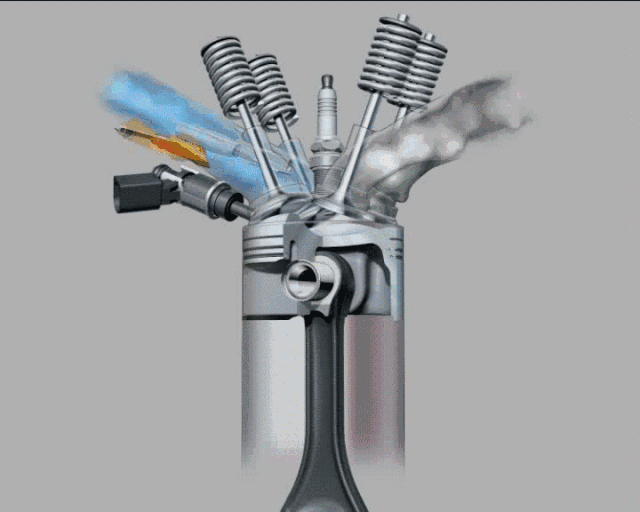
The four-strike petrol machine is a good mixture of air and gasoline at a certain rate, which is inhaled in a cylinder during the inhalation process, which produces thermal energy by compressing ignition, and high-temperature, high-pressure gas at the top of the piston, prompting the piston to move towards a straight line, and external output of mechanical energy through a collage, a curved wheel。
The four-stroke petrol machine completes a cycle of work within the gas intake, compression, operation and exhaust。
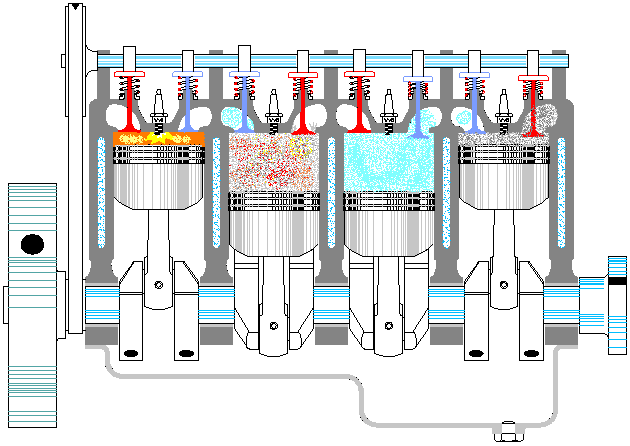
Four-bar engine work
Ii. The chassis
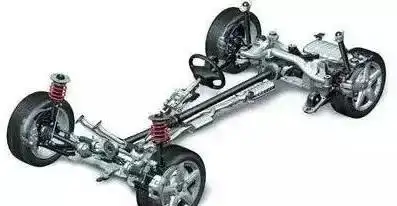
The car chassis consists of four parts: a motor system, a two-way system, a three-way system and a four-branch system. The chassis function is to provide support, install motor engines and their parts, aggregate, form the car as a whole, and accept engine power to enable motors to exercise and ensure normal mobility。
1 car moving system
The power transfer device between the motor and the driver is known as the motor transfer system. It should ensure that the vehicle has the power of pull, speed and the ability to coordinate the change between the pull and speed of the vehicle in a variety of conditions of movement, so as to provide it with good power and fuel economy. It should also ensure that the vehicle is able to reverse and that the left and right wheel is able to adapt to the speed differential requirements, and that the power transmission is able to integrate smoothly or be completely and rapidly separated as required。
The transmission system consists of 1 clutch, 2 transmissions, 3 transmission axes, 4 main brakes, 5 differentials and 6 half axis. The power transfer device between the motor and the driver is known as the motor transfer system。
Collar
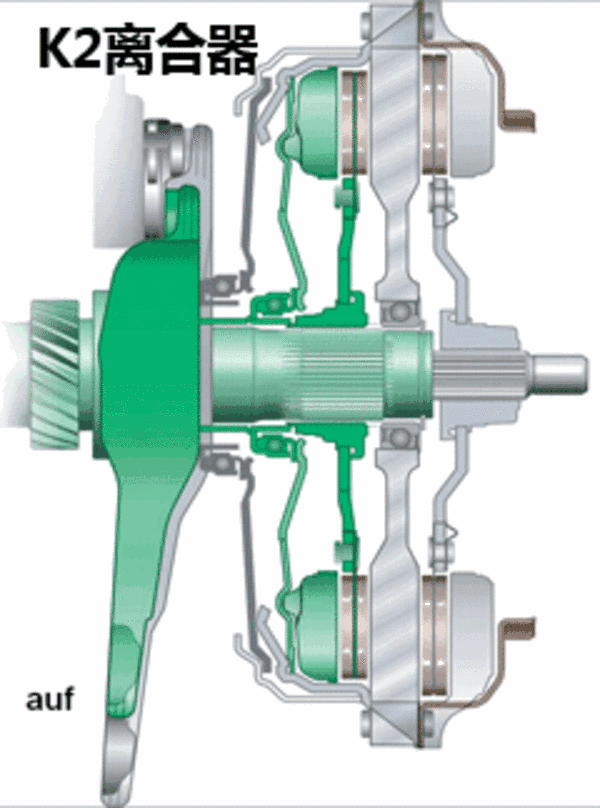
The clutch is located in the flying vessel shell between the engine and the gearbox, and the compressor is attached to the rear plane of the wheel with a screw. The output axis of the clutch is the input axis of the gearbox。
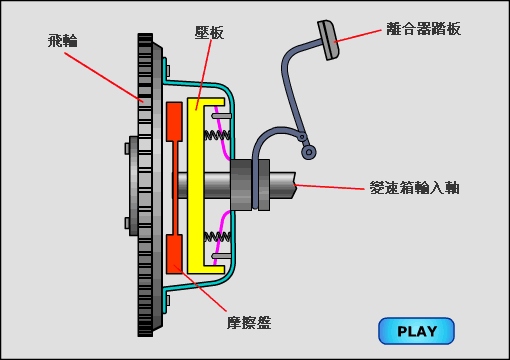
In the course of motor travel, the driver may, as necessary, step down or release the clutch pedal to temporarily separate the engine from the gearbox and gradually connect it to cut off or transmit the power that the engine enters into the transformer。
Speed transformer
The gear transformer is a vehicle used to change the speed and rectangular from the engine, and it is fixed or slotting to change the output axis and input the axle transfer ratio, also known as the transformer box。
It is divided into manual, automatic, and manual gear transformers consist mainly of gears and axes, which produce a variation rectangular through a combination of gears, while automatic gear transformers at consists of liquid transformers, planetary gears and hydraulic manipulation systems, which reach the rate changer rectangulars by means of fluid transfer and gear combinations。
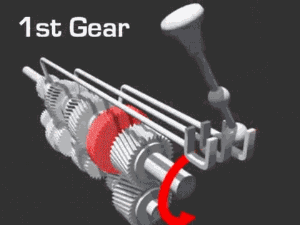
A manual transformer is called a manual transformer (utilized mt) or a mechanical transformer, i. E. A gear transformer (commonly known as “blocking”) must be moved by hand in order to change the gearing position within the gear transformer, change the transmission ratio, and thus achieve the purpose of the transformer。
Its simple structure, reliable performance, low manufacturing and maintenance costs, as well as high transmission efficiency (theoretically more fuel-efficient), and the fact that it is purely mechanical in nature, is fast-reactive and more directly representative of the wishes of the driver, make it more fun to drive. It is, however, cumbersome compared to the automatic transformer, and it is irremediably unrecoverable for the obvious disadvantage when the block switch is made。
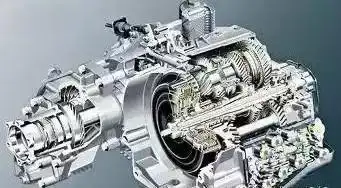
Function of the transformer:
Change motion ratio
(b) to enable cars to retrogressive when engine rotation remains unchanged
(b) the use of a space block to interrupt the power transmission so that the engine can start, glide and make it easier for the transformer to change gear or to perform the power output
Drive axis
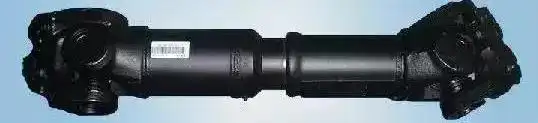
The transmission axis consists of axle tubes, tectonics and alloys. The stretcher automatically regulates the distance between the transmission and the drive bridge. All-way is the guarantee of a change in the angle of the two-axis axis of the transmission engine output axis and the driving bridge input axis, and achieves an equal-angular motion of both axes。
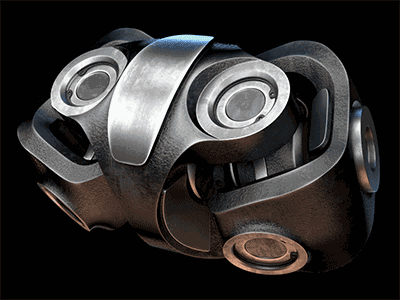
All-way festivals are the key components on the vehicle drive axis. On pre-engine rear-wheel-drive vehicles, the all-way axle is installed between the transformer output axis and the main brake input axis of the bridge; while the all-way axle is omitted from the pre-engine axle, the all-way axle is installed between the half-axis of the front bridge and the wheel, which is responsible for both driving and turning。
Main decelerator
The main brake is the main part of the car moving system that reduces the speed and increases the twist. For engines, the main brake also uses cone gear to change the direction of power。
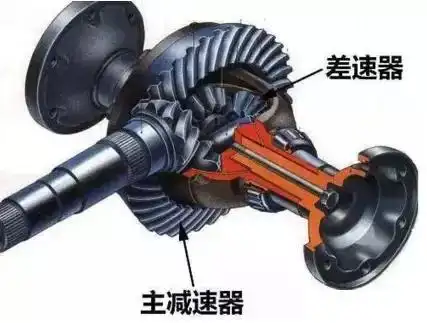
When cars are moving normally, the engine turns around 2000 to 3000 r/min, and if the speed of such a high turn-off is reduced only by the gearbox, then the gearing ratio within the gearbox is very large, that is, the size of the gearbox will increase. In addition, the shift speed drops and the twist is bound to increase, increasing the moving load of the gearbox and the second stage of the gearbox。
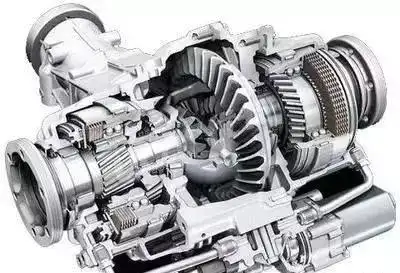
Therefore, the setting up of a main brake before the power-to-right wheel-resilient differentials reduces the twists that pass in front of the main brakes, such as gearboxes, splitrs, all-way drivers, etc., and reduces the size, mass and manipulation of the gearbox。
Speed differential
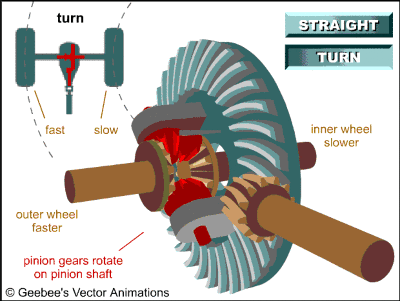
Car differentials enable the left, right (or front, back) wheel to achieve an institution with different rotation speeds. It consists mainly of left and right half-axis gears, two planetary gears and gear frames。
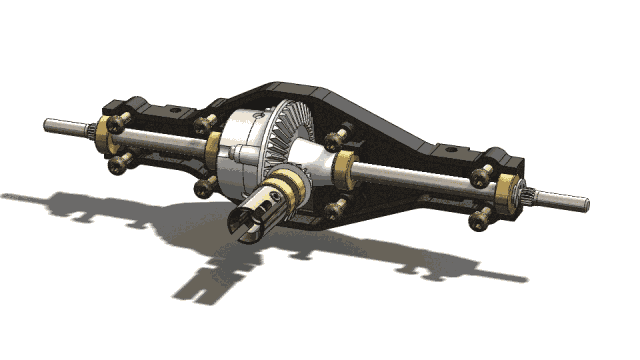
The function is to make the right and right wheel rolling at different rotation speeds when the car turns around or is moving on an irregular surface, i. E. To ensure that the wheel on both sides is fully rolling. The differential is designed to adjust the rate differential of the right and right wheels。
2. Car system
Automobile traffic consists of body parts, bridges, wheels and hangers. The wheels were divided into bridges (front, back), which were connected to the body through flex hangers in order to reduce the vibration to which the vehicles were exposed as they were travelling on irregular roads。
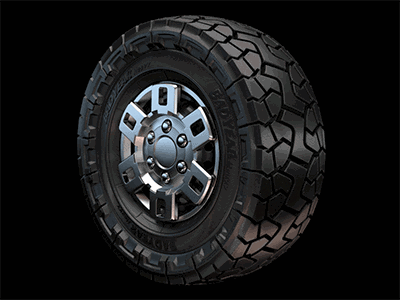
Car wheels
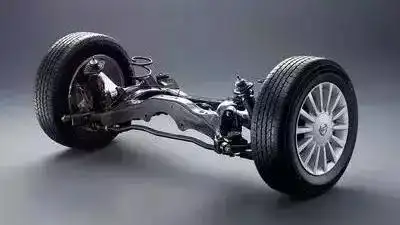
Car bridge
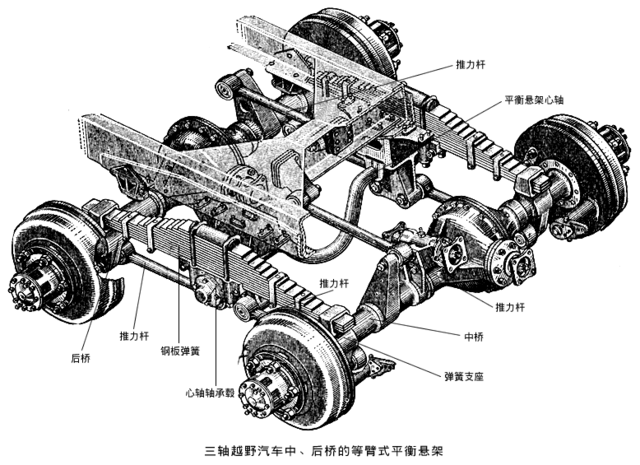
Car bridge
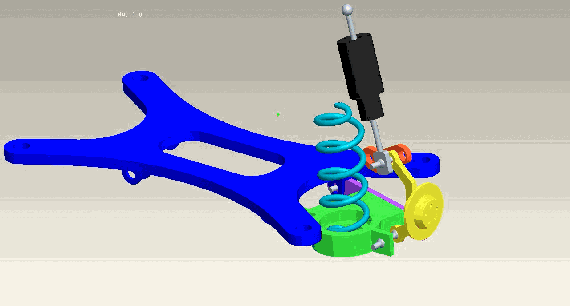
Car hanger system
A vehicle hanger system means an entire support system consisting of springs and shock avoidance between the body and the tyre. The function of the suspension system is to support the body and improve the feeling of travel, and different suspension settings can give drivers a different sense of driving. The appearance of a simple hanging system combines multiple forces and determines the stability, comfort and security of cars。
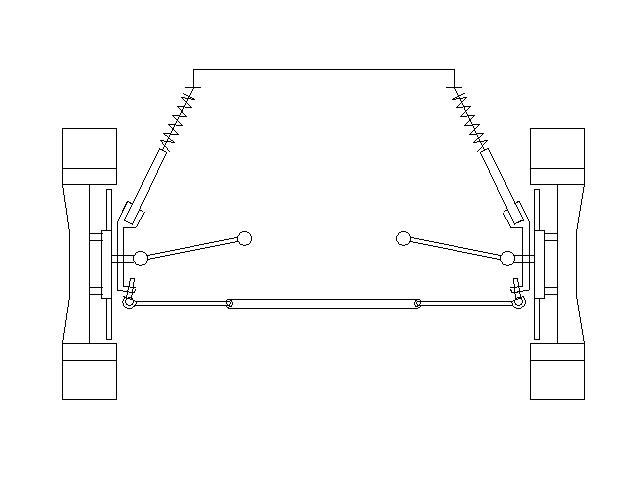
The main role of the driving department
It is to connect the entire vehicle to one whole and to support the quality of the vehicle, to accept the transients transmitted by the motor, and to create the pull of the road vis-à-vis the vehicle by driving the wheel and the attachment to the road. (b) transmitting and bearing all the reactions and force formations on the wheel of the road, mitigating the impact of the uneven road on the vehicle and reducing the body vibration. 3 automobile shift system
A series of devices used to change or maintain the direction of a vehicle or to reverse it are referred to as the car diversion system。
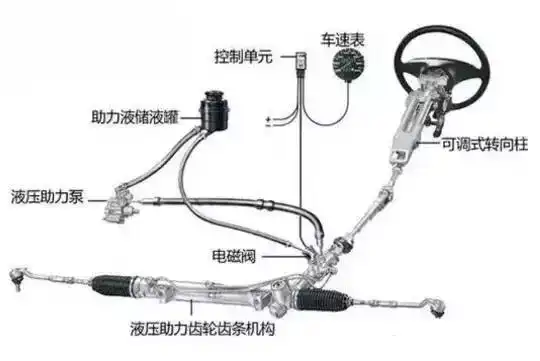
The vehicle shift is achieved through a dedicated set of agencies whereby the driver turns the car to the wheel (turn wheel) on the bridge (usually the front bridge) in a way that is more inverse than the car's vertical axis. 4 automobile brake system
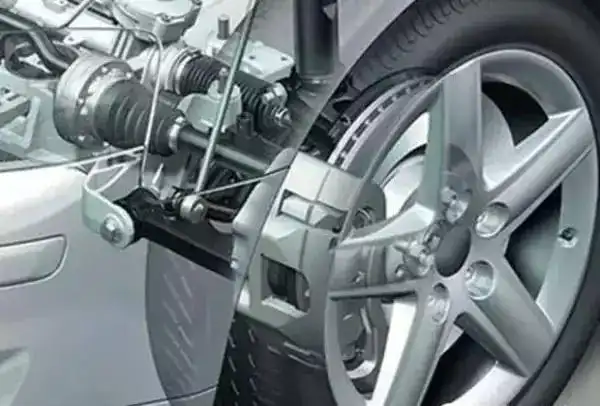
Automobile brake systems are a series of special devices that impose a certain amount of force on certain parts of the car (mainly wheels) and thus impose a certain degree of restraint。
The brake system
Forced slowing and even parking of vehicles in transit, as required by the driver; stabilization of stationary vehicles under various road conditions, including on the ramp; and stabilization of the speed of vehicles moving down the slope。
Ii. Car body
Car body functions primarily to protect drivers and to provide a good aerodynamic environment. A good body not only brings better performance but also reflects the character of the owner. The structure of the car is formally divided into non-carrying and carrying。
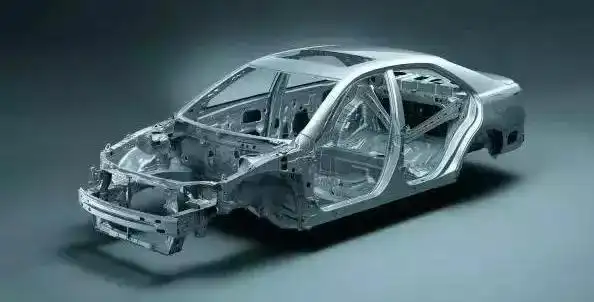
The non-mounted vehicle has a rigid frame, also known as the chassis. The body of the car is suspended on the frame and is connected with flexible elements. Vibration of the frame is transmitted to the vehicle through elastic elements, most of which are weakened or eliminated, and the frame absorbs most of the impact and protects the vehicle when travelling on a bad road, resulting in a small, stable and safe carriage and low noise within it。
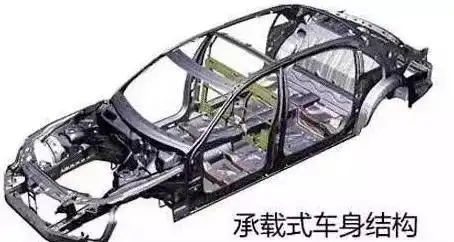
The vehicle carrying the body was not rigid, but merely reinforced the head, side, tail, bottom, etc., and the body and the bottom together formed the rigid space structure of the body. In addition to its inherent load function, the carrying body bears various loads directly. This form of car body has a high degree of convulsiveness and reversal resistance, low quality, low height, low quality, simple assembly and more stable high speed. However, the noise and vibration are high because the road load is transmitted directly to the body of the vehicle through the suspension device。