
After zero, the fan of the back car went from following the car to trying to be a truck
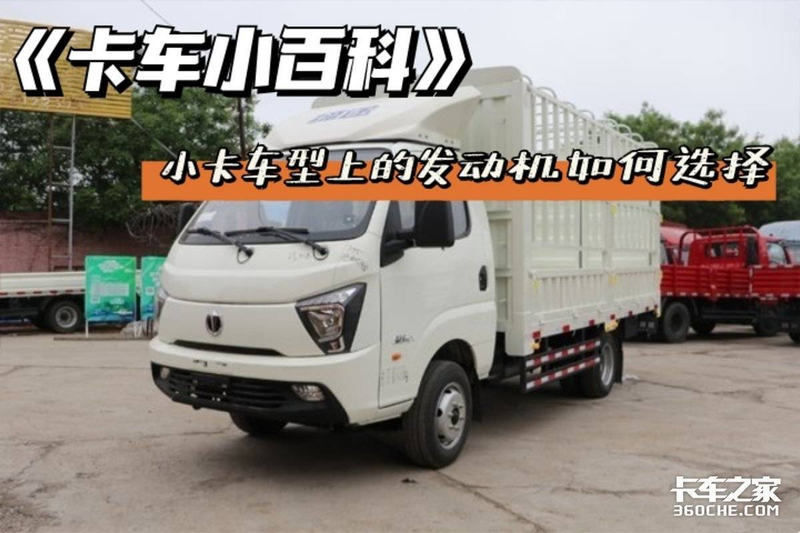
As the main vehicle type for urban transport, which is very common on boards, vans and refrigerated cars, with a load of between 1-2 tons, and with the power of the selection, respectively, of conventional gasoline, conventional diesel engines and new energy electric cards, we will talk today about the difference between the petrol and diesel engines loaded on the pick-up and which machines are more suitable。
In terms of mechanical construction
The development of traditional internal combustion engines can be described as long-lived, so how does traditional gasoline engines differ from diesel engines
(i) petrol engines
Many of the vehicles are now powered by petrol engines, especially private vehicles, whose noise is smaller than that of diesel engines, and which can be divided into two institutions and five systems according to the construction of the gasoline engines, namely, warp poles, gas distribution units and fuel supply systems, ignition systems, start-up systems, lubricants and cooling systems。
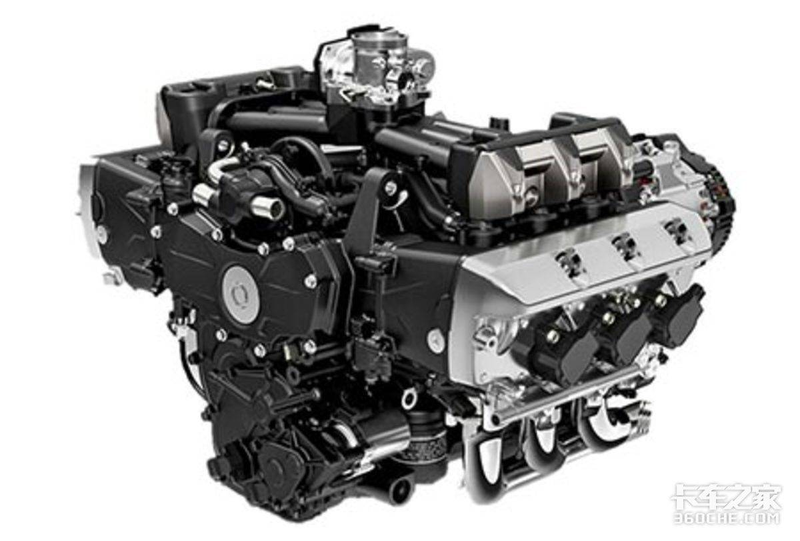
Gas machines are characterized by high rotation speed, light weight, low noise, easy to start, low manufacturing costs, etc. The engine is usually loaded with four-cylinder engines, which, with comparable power data, are smaller in weight and size, although the fuel consumption of gasoline is higher than that of diesel。
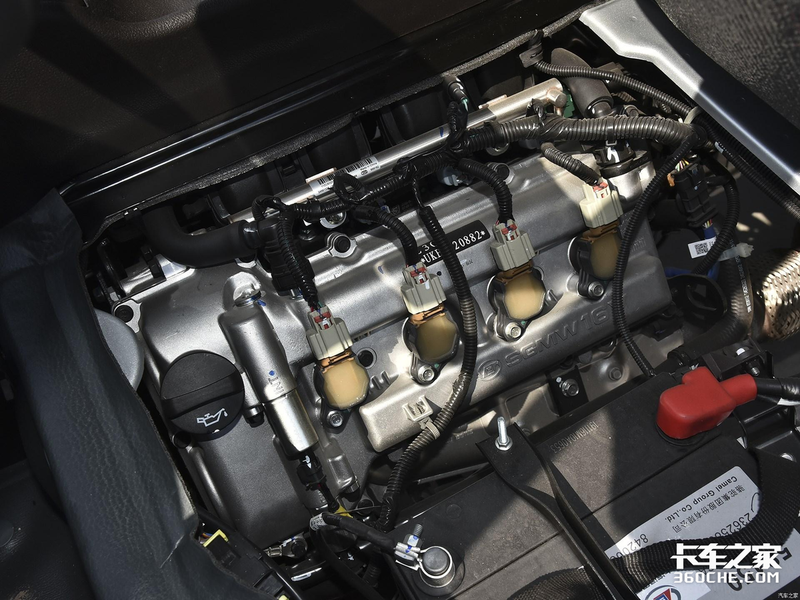
According to the user's actual usage experience, the start-up and acceleration performance of a car when it is empty will be more advantageous, although when a vehicle loads 2 tons, its power output is far less than that of a diesel engine, but it is more advantageous in terms of its static nature, while the price of the vehicle will be reduced, if only in urban areas and rarely in mountain areas。
(ii) diesel engines
Diesel engines are loaded on large vehicles compared to petrol engines, which are common in small vehicles, precisely because of their high power and economics, and because diesel is sold at cheaper prices than gasoline, and are structured into three institutions and four main systems, namely, collage poles, gas distribution agencies, transmission agencies, and fuel supply systems, lubricants, cooling systems and start-up systems。
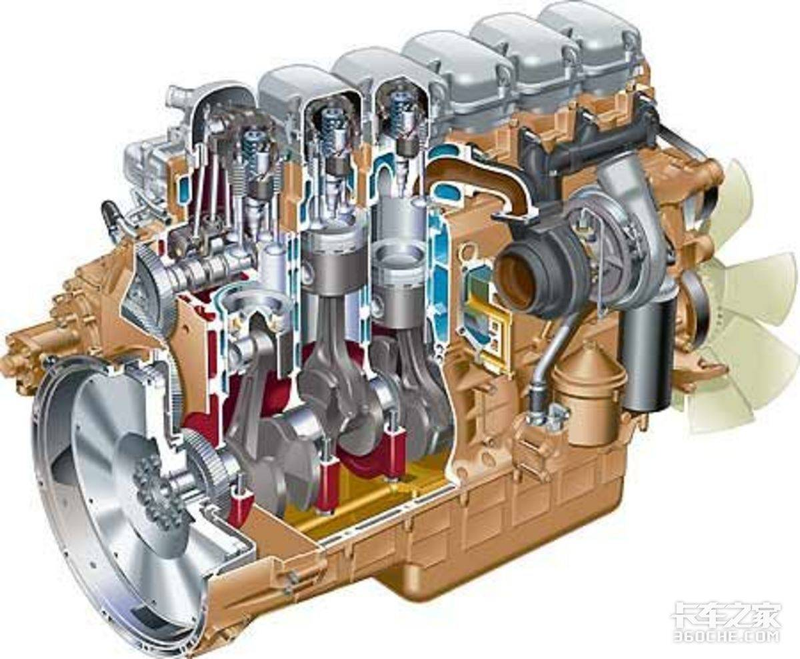
Diesel engines are characterized by low fuel consumption, high reliability, long life, and high twirling, which reminds me of the “national-made hysteria”, the myth of a single-cylinder diesel tractor, able to climb mountains and go into the water, but now the same 4-cylinder diesel engine that is commonly carried on the pickups and pickups, and the 6-cylinder and 8-cylinder diesel engines on the weights。
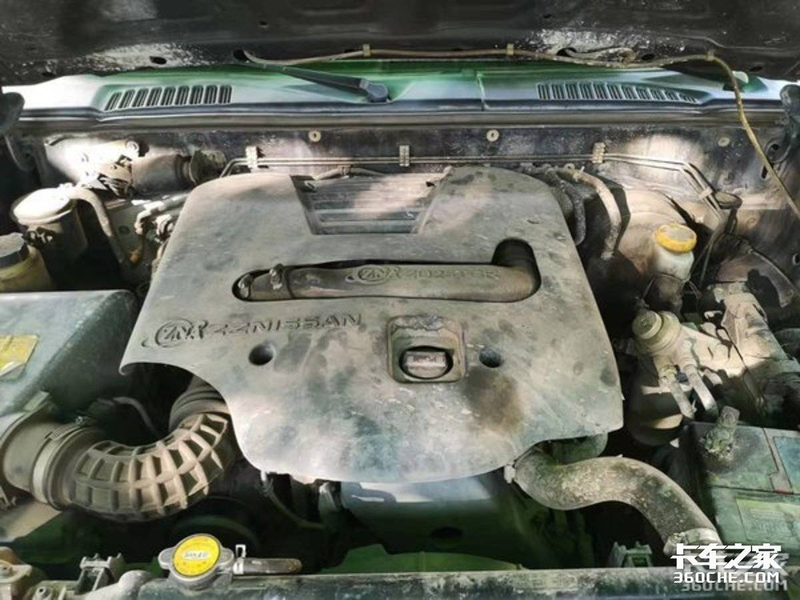
It also has the disadvantage of being large in size and weight, with higher manufacturing costs and lower costs for later maintenance, with more noise than gasoline, and difficult to start in winter. If diesel engines operate for long periods of time, the temperature and internal pressure of the engine are high, the carbon builder is highly susceptible and the tail gas emissions of diesel fuel are higher。
Differing points for petrol and diesel engines: in terms of structure, it can be seen that the overall workings of the two are very different, mainly in distinguishing between spark plugs and jets, which are used to light the gas, while diesel engines are equipped with spark plugs in their respective positions, because diesel is not volatile and the compressed gas temperature has exceeded the diesel burn point, and can be ignited directly from the nozzle into the mist, also known as volatilizing。
In the case of cylinders, diesel engines will also have more than three times the size of gasoline, which is one of the reasons for this increase in size. In the case of fuel systems, diesel engines, at different points from gasoline engines, are on the gas-saving doors, which control the volume of oil, control the total amount of air mixed with fuel, and diesel engines, which are controlled by the regulation of fuel-jet, although it is important to note that once diesel engines are added to poor diesel-jet vents, they face high maintenance costs。
Select the machine type for different operating conditions
(i) urban conditions: for purely urban conditions, pick-up trucks are usually delivered to large businesses, residential areas and factories, as a “last kilometre” that cannot be reached by large vehicles, with many tasks being carried out, but the city also suffers from urban pains, traffic jams are common during peak periods of entry to and departure from work, and fuel consumption increases。

(2) urban-rural integration: while urban-rural integration is the route between urban and suburban areas and towns to urban areas, the number of transport kilometres increases somewhat in comparison to the situation in purely urban areas, perhaps only 100 kilometres per day within a purely urban area, the combined urban-rural situation will increase several times, while urban-rural integration will also optimize rural-urban linkages, and road conditions in suburban areas will be smooth and conducive to reducing fuel consumption。

(3) towns, rural jobs: the situation is much worse in towns and rural areas than in urban, rural and urban combinations, often facing uphill and rugged mountain roads, so the motorization of vehicles is highly tested. Considering that the pick-up weight of pick-up trucks is approximately 2 tons, but the pick-up type operating in rural areas is slightly more than the weight, so many users tend to favour the size of the pony truck, so that the pursuit of power will not be constrained by fuel consumption。
Petrol motors: for light-loading and marking work in purely urban areas, many pick-up users will choose a petrol machine, although the city will pay for it, but it will be comfortable, with an advantage in emissions, and, given the good road conditions, the pursuit of power is not so great, and petrol machine power data will meet the load demand。
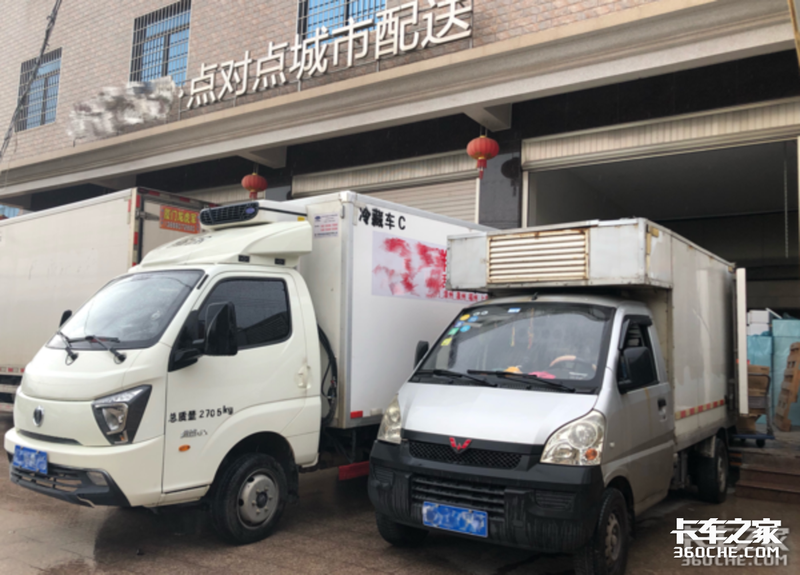
In addition, the combination of urban and rural conditions, short- and high-speed demand, and the choice of petrol engines by some users, also taking into account the comfort of use, as well as the cost of maintenance for later use, after all, the cost of maintaining diesel engines after many years is no less expensive than that of gasoline, and cold starters and frequent stoppages are more advantageous, only if they are light-loaded, marked and transported, and if there is a long climb, the power of the engine is not significant。
Diesel engines: in fact, in the case of truck-type motors, individuals prefer diesel engines, as in the case of rural and rural transport, many users of pick-up trucks choose diesel engines, because diesel engines under power data are more powerful in power output than petrol machines, especially when they are reloading, and the ramp is more secure。
There are also small trucks, such as sandstone, cement and other heavy cargo, which, without doubt, use diesel engines, whether urban, rural or purely rural, that are needed for heavy-carrying vehicles, which can only be provided by diesel engines, and many of the friends around them say that after two tons of petrol cara, they drive air conditioners and climb the slopes without any power。

Thus, the selection of the appropriate type of aircraft is based on different operational conditions and load weights, where a styling takes place, where petrol engines are suitable for purely urban conditions, light transport and for users who are more comfortable to drive, while diesel engines are suitable for poor road conditions, such as rural and rural areas, where users are not over-minded about the power of vehicles, loads, and comfort and noise, and are mainly pragmatic。
Later maintenance and maintenance
In view of the importance of day-to-day maintenance, which is necessary for the day-to-day use of cars as a means of daily life and as a means of collecting goods, which must be due to mechanical wear and tear after a long period of time, it is not necessary to take care of the car and use it to its end, and the engine, as the “heart” of the car, plays an irreplaceable role, thus requiring more attention to its maintenance and repair。
(i) petrol engines
The petrol engines on the pick-up are mostly found in 1. 2l, 1. 5l, 1. 6l charge, which is similar to those carried on 100,000 grade private cars, although there are many diesel engines in the current petrol machine, such as direct spraying, voltage, high compression ratio, and small charge turbines, 1. 2t, 1. 5t, etc., except that natural inhaling opportunities are more resilient。
The routine maintenance of traditional natural gas-inhaled gasoline engines is easier, usually replacing fluids on a regular basis, as is the case with private cars, with full-synthetic oil, 80-10,000 kilometres per second, 30,000 kilometres for spark plugs, regular cleaning of gas-saving doors, replacement of air filtration cores, etc., and maintenance costs of minor maintenance do not exceed $1,000 a year, which is a saving。
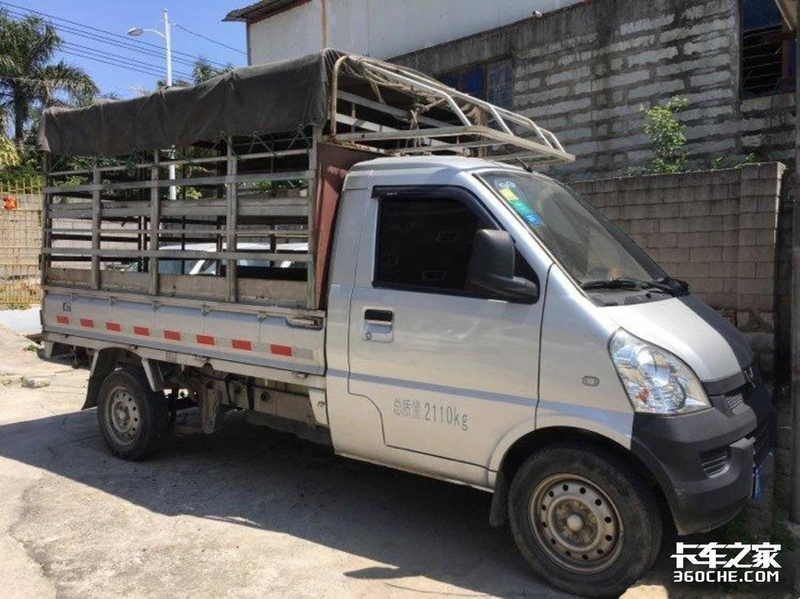
The price of gasoline 92 is now slightly higher than that of diesel, with as little as possible to add to the oil, many of the impurities of small oils, many of which are much more expensive than diesels, if they damage oxygen sensors, triple-catalytics or spark plugs, if they are less resistant than regular oil stations, and when the difference between the distance distance of the renewal and the price of oil is deducted, the difference between the price of the oil and the price of the oil is much different。
(ii) diesel engines
Fuel engines are indispensable, as are diesel engines, which normally travel 5,000 kilometres to replace oil, blow air cores or replace it every 10,000 kilometres, and are generally durable, except that, due to the differences in fluids, diesel trucks should not step on the gas when they start。
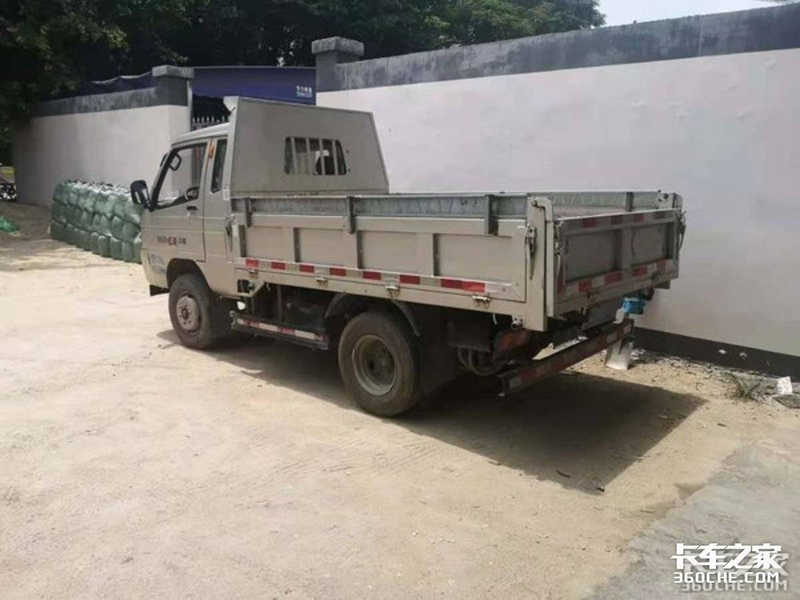
While many private owners have been able to step on the oil without preheating the engine, the diesel engine may support it, but the diesel engine is not the same. After the vehicle has been parked for a long time, the engine is cold, the oil is too sticky and has a high mobility resistance, the engine parts are not fully lubricated, and the engine is then in a state of operation, which leads to damage to the internal gears or bearings, and is also the reason why many diesel engines are cold-starting large feet to step on the gas door。
The price of diesel 0 is $1-2 less than that of petrol 92, and oil prices vary from one station to another, so the diesel vehicles themselves are more reliable than petrol cars, are more reliable than low-speed large twisters, are used not only in pick-ups, but also in household pickups and parts of suvs。
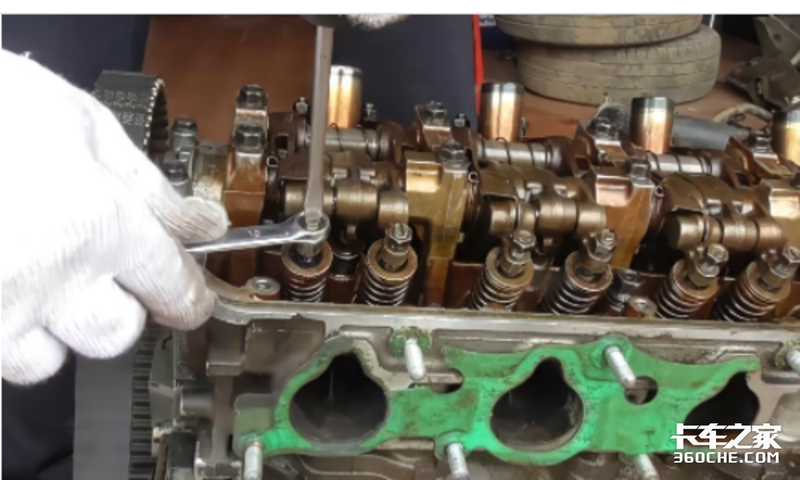
It is also important to note that diesel engines are required to adjust gas-gate gaps by kilometres, using a tank-by-cylinder system, and in accordance with the order in which the gas-cylinder fires. If the gas-cylinder gap is too large after a long period of wear and tear, it can lead to a decrease in the gas-cylinder inflating factor and incomplete venting, which is directly felt by the increase in fuel consumption, with a general suggestion that the pick-up type is between 80,000 and 100,000 kilometres。
Summary
Owing to the nature of the pick-up, both petrol and diesel engines, reference is made to actual operational conditions, vehicle load weights, and later maintenance costs, such as the oil machine used in the light of the "stealing the vicomor" van, while the wind-off card, which favours sandstone, construction materials transport, provides the option of petrol, diesel engines, mostly in the 80-110 horsepower range, which is produced to provide unlimited convenience to people's lives, or the choice of cars, which makes it a good car. (man/ka family: xiao lu)