What's better for gasoline and diesel? What are their respective advantages and disadvantages
The petrol machine is powered by an in-house ignition system that allows petrol to burn and thus drive the pistons. Because unit time is more efficient, gasoline is more efficient. The diesel presses drive the piston by burning diesel through internal pressure, so there is no ignition device. At the same time, the internal pressure of the diesel presses is very strong, which makes the diesel presser's twirl much larger, and although less effort is done in unit time, the twirling can be several times greater than the power of the gasoline machine。
It's a different way of working。
Differences in working methods also result in different applications, so that petrol is used mostly for civilian vehicles and diesel is used mostly for engineering trucks requiring cargo. But now, with the upgrading of diesel technology and global energy alarms, another advantage for diesel engines — the advantage of saving oil — has led many civilian vehicles to opt for diesel engines. The fuel cost per kilometre of diesel aircraft, which is essentially the same charge, is less than half that of petrol, and more than twice as much as twice as far as it is to continue。
With regard to the reference to direct blow-out technology:
1. More precise control over the amount of oil sprayed in the combustion chamber can be achieved by means of controls over the timing, pressure, frequency, etc.
2. The gas-saving doors could be removed, the output load would be controlled by the amount of oil sprayed, and fuel consumption could be reduced by 20 to 40 per cent
3. Better dispersion of oil droplets would help to reduce hydrocarbon emissions
To facilitate the control of engine combustion and obtain a greater compression ratio
Overall, direct-jet technologies can reduce fuel consumption by about 15 per cent and increase motor power transfer flexibility。
The two working principles are different in nature from the mode of ignition, with a high ignition point for gasoline, so the ignition system is required to complete the ignition, and diesel fuel is so low that it can be pressured by compression, so the structure is relatively simple and reliable compared to the ignition system for petrol vehicles. In addition, because of the high power of the petrol trucks, petrol engines, especially motor vehicles, are used in all vehicles that pursue extreme speed. The diesel engines are larger and suitable for dragging heavy items, so trucks are more used. The use of petrol in domestic vehicles is higher because of the strategic nature of diesel fuel, which is used for most of the domestic transportation and military requirements. In europe, many civilian vehicles use diesel engines because most transport is done with electrification and is so dependent on diesel fuel。
Automobile engines, whether diesel or gasoline, should be considered for the purpose and cost of purchasing the vehicles. The choice of diesel engines is better in the case of cargo transport, since diesel engines are more dynamic than gasoline. In the case of self-use, the noise in the gasoline machine is small and comfortable, regardless of rural/urban residence. Considering the cost of use, the unit cost of the oil is lower than that of the petrol machine, the relative simplicity of the design process for the maintenance of the diesel machine, the corresponding costs are significantly lower, spare parts are not complex to purchase and domestic maintenance is easy. Specific options, which could be considered together, were best suited。
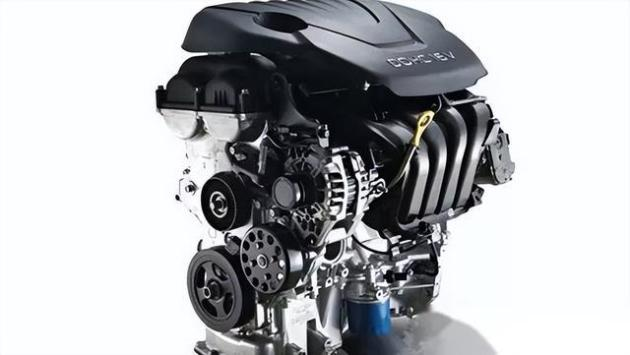
Each has its own strengths and weaknesses. Personally, the petrol engine is mainly speed. The diesel engine is power
Distinction between petrol and diesel engines: the gas mixer is different, the general gasoline machine enters the tank after mixing the air outside the tank, while the diesel is a direct injection of diesel fuel into the tank and mixing the air; the ignition is different, and the oiler needs spark plugs to ignite the mixed gas, whereas the diesel is self-fired by compression; the power is different from the rectangular。