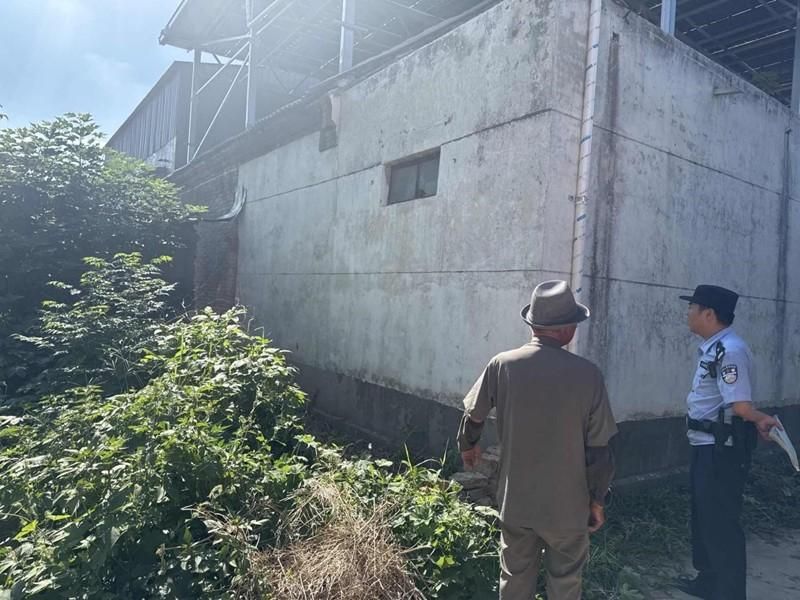
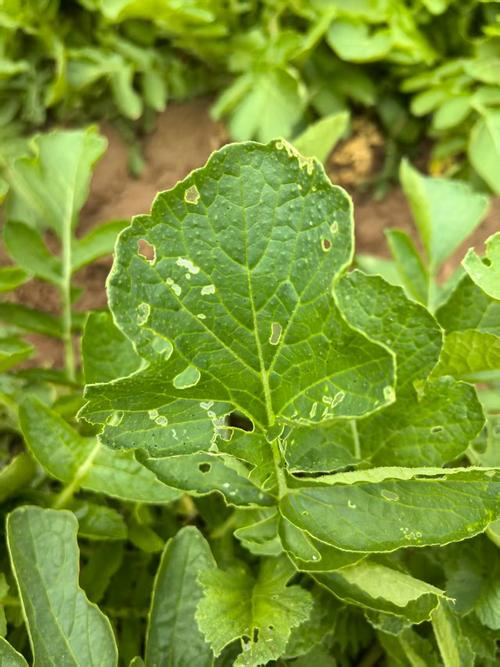
The moths are the main pests of the world's vegetables, which mainly affect cross-flower vegetables such as cabbage, broccoli, cabbage, cabbage and carrots. Over the course of the year, there were more algebras, long hazards, various insects of the moths could be seen in warning county in the last quarter of the year, and there was no apparent winter and summer increase, with two-year-old larvae entering the leaves for food, leaving only the skin of the leaves, creating a transparent spot called “opening the skylight”. 3-4-year-old larvae are followed by the formation of missing or holes, which in serious cases form a web, seriously affecting the quality of vegetables。
The control of vegetable farmers is difficult and not only increases costs but also affects the quality of vegetable products. In line with the “prevention, integrated approach” approach to plant protection, the following integrated approaches should be adopted:
1. Agricultural prevention and control methods: avoid cross-flower vegetable production, mixing, and crop rotations with such crops as tomatoes, pickles, potatoes, etc. That have been planted with cross-flower vegetables; clean up the field with insect leaves in time for harvesting and reduce the base number of worms。
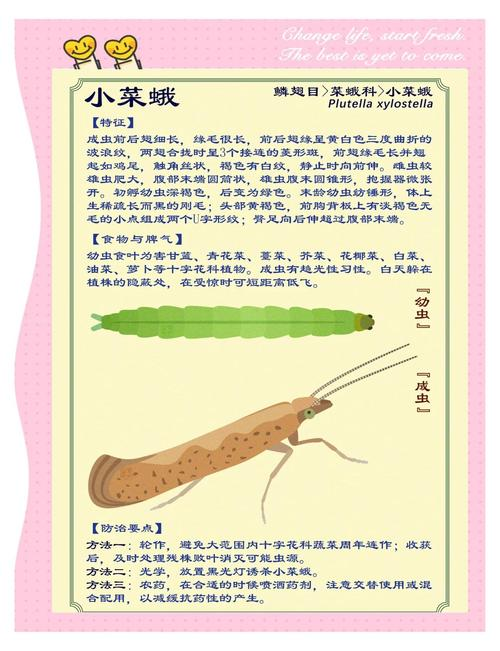
Physico-preventive methods: using moths as moths to be photogenic and promoting the application of insecticidal lamps to insects can reduce the density of insects in the field while reducing the use of pesticides and the cost of prevention and treatment for vegetable farmers。
Stimulant control: the use of synthetic insect hormones (stds) to trap moths, the placement of 10 to 15 booby cores in acres, one change in 10 days, one change in 7 days during the high-temperature dry season, the effect of which is good on moths, the effective protection and use of natural enemies and the reduction of the use of chemical pesticides in their production。
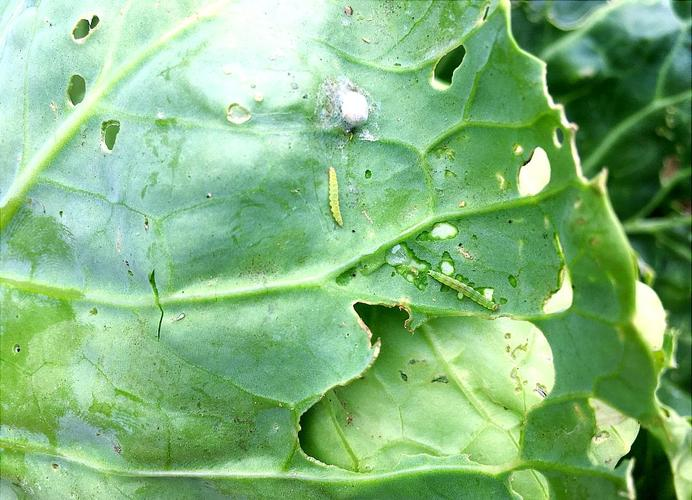
4. Medicinal control: timely management of insect infestation and administration of spray control when the insect density reaches a certain level. Among the drugs selected are: (1) 25% vegetable-friendly emulsifier, 1,000 times the spray. (2) 40% of the acres are treated with asyridine 2000-3000 times liquid spray. (3) the acre is treated with 0. 3% bitter alkaline 500 times liquid spray. Each of these agents is used alternately until the hazard level is essentially controlled. Vegetables are phased out between 7 and 10 days before harvest in order to reduce pesticide residues and to reassure consumers. (originally in the china agricultural network)