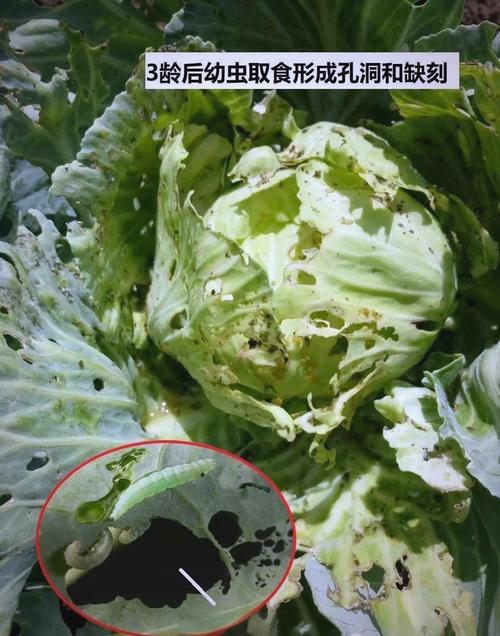
Vegetable moths are also known as moths, chrysanthemums, two heads, deadworms, etc., which mainly endanger crossfacing crops, with kale, broccoli, cabbage, radish, oilseeds and tomatoes, ginger, potatoes and onions. The larvae, which endangers the vegetable leaves, is the most intense in the seeding season, tends to contain the central leaf hazard, tends to plant the larvae in the outer layer, and can also drill into the contours of the leaf。
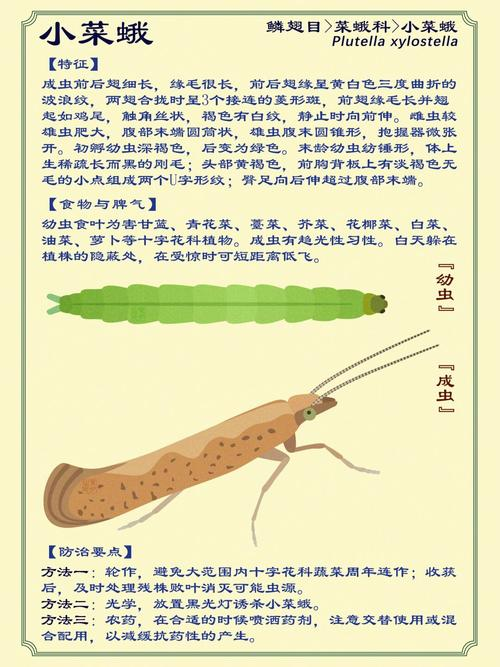
Usually three to six generations per year. The north goes through the winter with the twilight. Four to may. Worms fall day and night out. Insects lay for up to 100 to 200 days, each female lays for 100 to 200 days, and the eggs are scattered or taken together in dents between the back of the leaf. The egg period is 3-11 days. The larvae are four years old and have 12 to 27 days of childbearing. The old larvae cocolined near the leaf vein for about nine days. The growth of the moths is at 20-23°c. The peak period in the north was may-june and august, with the worst damage occurring in may-june, and the fall was worse than the spring。
Agricultural prevention and control: (1) rational layout, restructuring of cultivation, and rebalancing. (2) once the kale or other vegetables have been harvested, they are then tilled in depth to treat the remaining leaves in a timely manner and to remove the weeds from the fields. (3) autumn farming of agricultural land is carried out in the autumn. (4) in the winter season, agricultural land is winterized. This would eliminate a large number of insect sources and effectively reduce the field base of the moths。
Physical control: (1) the use of mothworms is photogenic and black lights are installed in vegetable fields and frequency-shocked insecticidal lamps are lured into pests. One black light or high-shock insecticidal lamp per 5-10 acre vegetable field. Watch out for the little moths that are decoyed every day. (2) the application of a 20-22 wormnet to cover the whole vegetable field is effective in preventing the effects of moths。
Biocontrol: (1) use of moths as moths as a form of moths as a cumulative feature, use of sexual insects as baits in vegetable fields, 5-7 in acre. (2) the use of high-efficiency low-toxic biological pesticide sprays, such as the use of 750-fold liquid sprays of bacillus juenium (bt agents), can cause the death of a large number of larvae larvae。
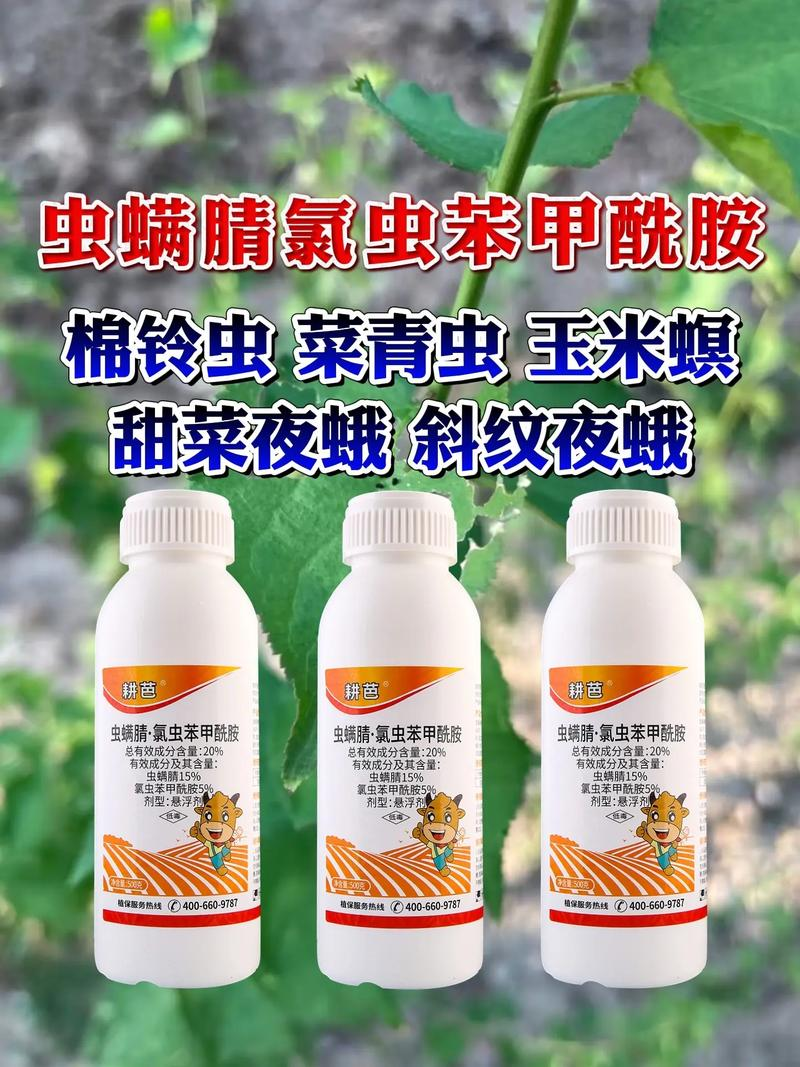
Chemical control: the pesticides and methods commonly used to combat small moths are: 1,000 - 3,000 times the milk of avimectin; 1000 - 3,000 times the liquid of cypermethrin; 2. 5 per cent kung fu - 3,000 times the liquid; 3 per cent 10,000 - 3,000 times the liquid of huf; 5 per cent too much of 100 - 2000; 5 per cent of the aerosols, such as 1000 - 2000; 25 per cent of the aerosols, such as larvae, 700 times the fluid; 25 per cent of the venomate 1000 times the fluid; and 24 per cent of the fumes 1,000 times the spray。