Tenders are the usual competitive method of dealing in the sale of bulk goods or in the contracting of construction works under market economy conditions. The so-called tender activities for construction works are those in which the awarding party for the construction works, as the tenderer, in an appropriate manner, issues relevant information about the proposed construction, such as the content of the project and the main technical conditions, the qualification requirements of the contractor, etc., without indicating the price of the work, by indicating that the contractor will choose the qualified contractor to enter into a construction contract with the contractor, by which each contractor interested in the project will submit its own offer of work and other contractual conditions as the tenderer in the direction of the tender, participate in the bidding competition, and, after a review by the tenderer of the offers and other conditions of the bidders, select the successful bidder and enter into activities for the construction contract。
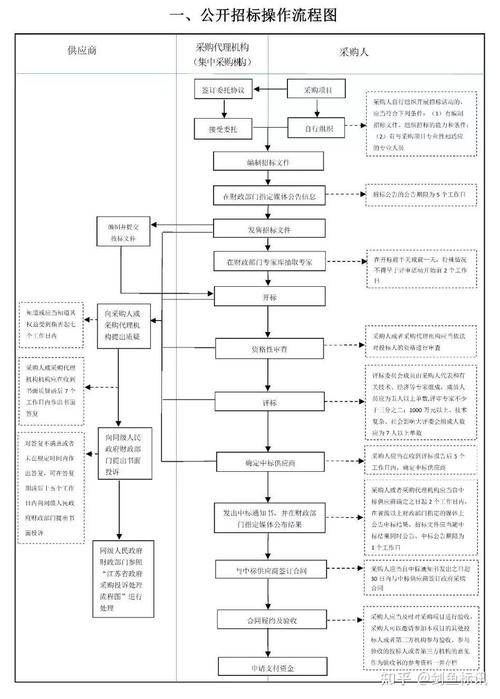
In the case of construction, open tendering generally includes the following main processes:
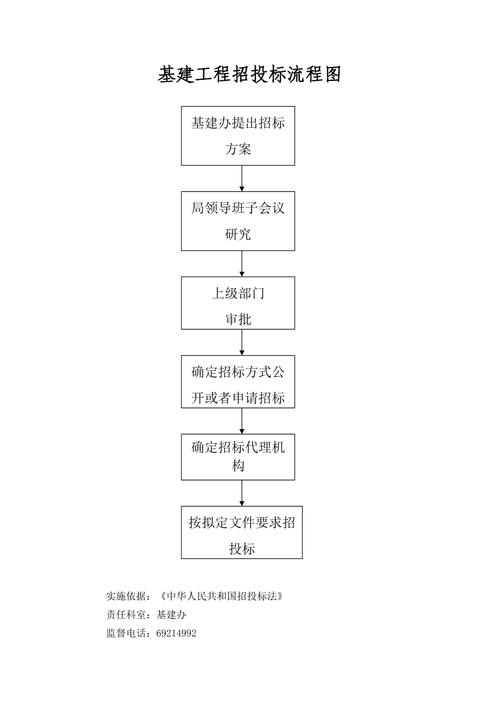
I. Issuance of tenders. Tenders shall be issued by the awarding party, in accordance with the procedures and modalities established by law, issuing the solicitation notice, providing the solicitation documents containing the main technical requirements for tender works, the main contract terms, the criteria and method for evaluation of tenders and the procedures for opening, evaluating and determining tenders。
Opening of tenders. After the expiry of the deadline for the submission of tenders, the tender(s) to be received shall, within a specified period of time, be opened and their contents consulted for the purpose of evaluating the terms of the contract contained in each tender. Tender openings should take place in public at the time and place specified in the solicitation documents, usually in the form of opening meetings, in which all contractors participating in the tender are eligible to participate and to supervise the opening process. The tender party shall, in public at the opening meeting, verify the sealing of the tenders, open the tenders on a case-by-case basis, sing the tenders publicly, read out the name of the bidder, the tender price and other essential elements contained in the tenders and record the tenders for verification. Following the opening of tenders, no one may change the quotations and other contents of tenders。
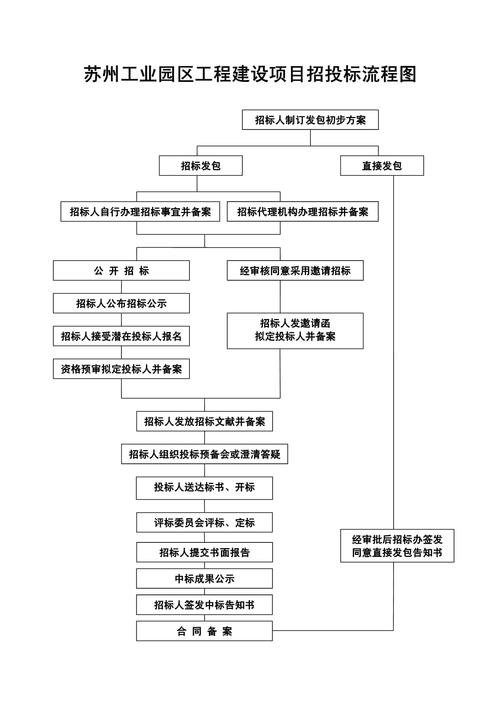
Evaluation of tenders. The evaluation of tenders shall mean the evaluation and comparison of tenders by the tendering party after the opening of the tenders in accordance with the criteria and procedures for the evaluation of tenders set out in the solicitation documents, and the selection of the successful bidder on the basis of merit among bidders with the corresponding qualifications. Tenders shall be evaluated in an objective and fair manner and shall be evaluated and compared in accordance with the criteria and procedures laid down in the solicitation documents, and no one may alter or violate the criteria and procedures established for the evaluation of tenders. In practice, the tenderer organization, which consists of the project legal person, the principal investor, the representative of the tender agent and a technical, economic and legal expert, makes a technical evaluation of the validity of the tender proposals of the bidders, the scientific, rational, feasible, the technical programme provided by the tender, the state of the technical strength and the effectiveness of quality assurance measures, and makes an economic evaluation of the proposal for the project and the reasonableness of the costs, on the basis of which a bid evaluation report is made and a list of the recommended bidders is made available for selection by the issuer。
Iv. Definitions. The award, also known as the award, refers to the activities of the contractor from which the contractor ultimately selected the successful bidder. The award shall be made on the basis of equal competition, merit and selection, and the successful candidate shall be selected from among the successful candidates recommended by the evaluation body in accordance with the established procedure and shall be awarded a construction contract. It is common practice internationally to use the lowest bidder as the winner in cases where other conditions, such as technology, trust and other qualifications, are comparable。
Tenders for construction work shall be tendered in accordance with the principles of openness, fairness and fairness. The so-called publicity means that information about the tendering exercise is to be made public, that the bidders should publish information on the tender for the construction works through advertisements in the media or in other appropriate formats, and that the main technical requirements for the tender works and the qualifications of the bidders are to be set out in the publicly available solicitation documents, so that all eligible contractors are given the opportunity to compete for the tender. At the same time, the procedures for tendering, including the time and place of receipt of the solicitation documents, the deadline for tender, the time and place of opening of tenders and the criteria and methods for evaluation and award of tenders, should be open and transparent in order to allow for oversight by all parties and not allow “black box operations”. The term " equity " means that each tender is treated equally by the bidders, who are required to compete by legitimate means and are not allowed to engage in unfair competition, such as bribery and kickbacks, to the bidders and their staff, in order to guarantee equality in competition. The term " impartiality " refers to the strict observance of open solicitation documents and procedures by the bidders during the tendering process, and to the strict observance of established criteria for the evaluation of tenders and the determination of tenders, and the fair treatment of each bidder without favour or favour。