Waterproofing in the basement is a key project, as described below, from pre-construction preparation, waterproofing work, tectonic processing, post-construction maintenance and acceptance:
Preparation for construction
1. Material selection
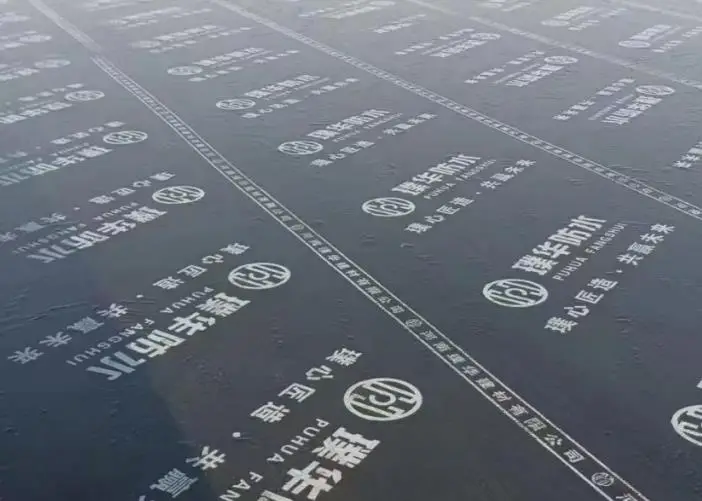
Waterproofing scrolls: good water resistant, stretching and tornative, such as sbs modified asphalt resistant scrolls, applicable to various structural parts of the basement。
Waterproof paints: pur waterproof coatings, polymer cement waterproof coatings, etc. Are common and adapt to complex grass-roots shapes to form complete waterproof membranes。
Sealed materials: seals for deformation, construction, etc., such as silicone seals, polysulphur seals, etc., are well flexible and adhesive。
2. Grassroots treatment
Grass-roots surfaces should be flat and solid, free of defects such as sand, empty drums and cracks. For uneven grass-roots areas, the slurry of cement is used for smoothing。
Oil, dust, miscellaneous items, etc. On the ground surfaces should be cleaned up to ensure that the waterproof layer and the grass-roots level are firmly bound。
Angular angles at the grass-roots level shall be in a circular arc or an angle of 45° slope to ensure the integrity and sealability of the waterproof layer。
Waterproof construction
1. Waterproof construction of rolls
Pile direction: the direction of the scroll is determined according to the slope of the house and the direction of the water flow, and at a gradient of less than 3 per cent, the scroll should be parallel to the ridge of the house; at a slope of 3 per cent-15 per cent, the scroll may be placed in parallel or vertically。
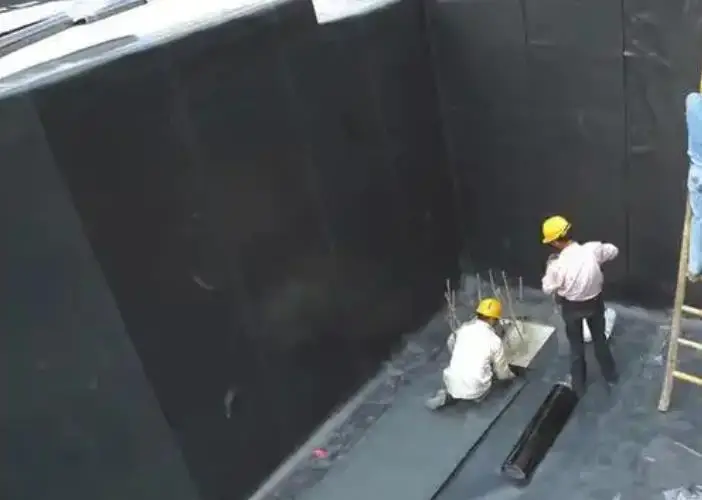
The length of the connection: the width of the long-side connection should not be less than 100 mm and the width of the short-side connection should not be less than 150 mm. The short edges of the adjacent two rolls should be staggered and not less than 500 mm。
Paste method: paste by thermal or cold adhesive. Thermal smelting works should be carried out in such a way as to control the temperature of the flame and the heating time, to ensure that the bitumen on the bottom of the scroll is evenly melted and solidly glued to the grass-roots level。
2. Waterproofing of paints
Number of brushes: usually 2 through 3 times, each of which should be evenly balanced, without leakages, crashes, etc. After the last coating has been dryed out, the next painting is done, and the direction of the front and back painting should be vertically. Waterproof paint construction attention was also mentioned。
Paint thickness: the paint thickness of the coating is controlled according to the design requirements, generally ranging from 0. 5 to 0. 8 mm at each time and not less than the design thickness。
Vegetation enhancement material: when designed with a requirement or coating thickness greater than 3 mm, the fetus enhancement material shall be laid. The fetal reinforcement material should be prepared in a manner that does not involve wrinkles, edges, etc., and the bandwidth should not be less than 50 mm。
3. Subtract processing
Transformation stitches: fill in polystyrene foam or other flexible materials in a deformation suture, then paste seals on both sides of the suture, and then lay rolls or coatings on the suture, with enhanced treatment。
Construction stitches: waterproofing should be used for the seams, etc. Water belts should be secured and not be distorted or distorted。
Wall-penetrating tubes should be pre-filled before concrete is poured and sealed with sealed material between the tube and the tube and the wall. During the construction of the waterproofing area around the wall, enhanced treatment should be carried out。
Post-construction maintenance and acceptance
Conservation
Upon completion of the construction of the volume water layer, other construction work should be avoided to prevent damage to the water layer. If subsequent construction is necessary, protective measures should be taken。
Natural conservation should be carried out after the construction of the coating layer, which should last no less than seven days. During maintenance, the surface of the water layer should be kept wet to avoid direct sunlight and wind blowing。
2. Acceptance and inspection
Appearance inspection: the surface of the water-proof zone should be flat, non-fruitless, non-blind and non-leakage. The seams of the collage-proof layer should be strong and sealed, and the coating-proof layer should be evenly painted, with no leakages, crashes, etc。
Closed water test: once construction of the basement water layer is completed, the closed water test shall be performed. The test time was not less than 24 hours to observe leakage from the top of the basement, the wall, the ground, etc. If leakage is detected, the cause should be identified and repaired in a timely manner until leakage is not present。
This is what waterproofing in the basement is all about. It is a system project with more steps. There is also a method of construction for waterproofing the basement, which is waterproofing on the back and can be detailed through waterproofing on the back of the basement。