Wen xiaojie
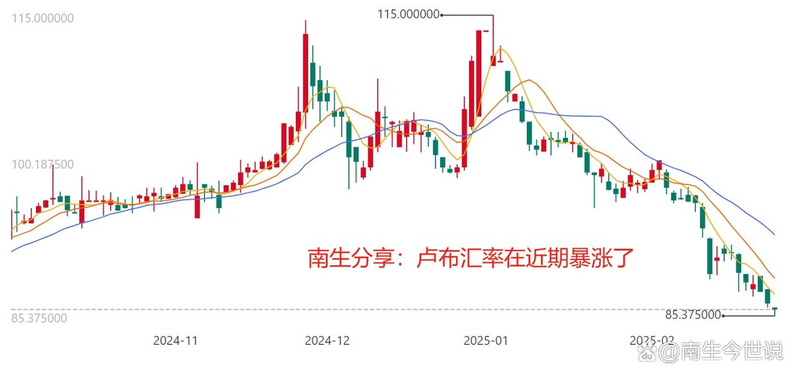
As a result of the rouble’s excessive devaluation, the russian central bank, on 16 december 2014, urgently decided to increase the key interest rate from 10. 5 per cent to 17 per cent, the largest increase since russia’s debt default in 1998. However, the interest rate hike did not prevent the fall of the ruble, and the exchange rate of the united states dollar against the rub was once above its historical high of 80。
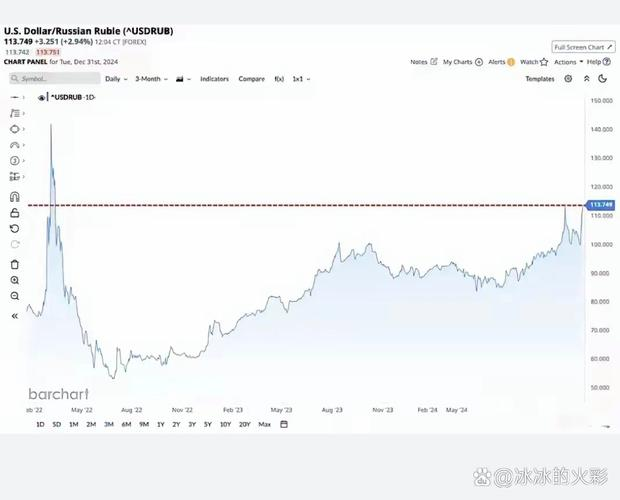
The sharp fall in international oil prices, western sanctions against russia and the impact of a strong dollar on emerging markets are the main reasons for the fall of the ruble。
The price of crude oil, influenced by inadequate demand on the international market, the refusal of the organization of petroleum exporting countries (opec) to reduce production and the united states shale gas revolution, was “falling” and the us nymex crude oil received $55. 38 per barrel on 22 december. The sharp decline in the price of crude oil has led to a significant reduction in russian foreign exchange earnings and has had a significant impact on its ability to maintain stability in its currency。
Since the ukrainian crisis, economic sanctions on russia have escalated in western countries such as the united states and europe. In late july 2014, the european union launched severe sanctions against russian financial institutions. Several state-owned holding banks, such as the savings bank of russia and the bank for foreign trade, have been placed on the sanctions list, prohibiting enterprises and citizens from providing medium- and long-term financing to sanctioned banks and prohibiting the purchase and sale of bonds and shares issued by such banks for a period exceeding 90 days. This move has led directly to an urgent need for us dollars from russian economic and financial institutions。
As the united states economy continued to recover and the federal reserve's monetary policy gradually normalized, market expectations for the fed's interest rate hike became evident, and international capital began to flow back from emerging markets to the united states。
In the face of the fall of the ruble, chinese enterprises have both opportunities and challenges. On the one hand, the sharp fall of the ruble has significantly reduced the cost of our imports, and the advantages of large commodity prices, such as russian raw materials, have been highlighted. At the same time, the collapse of the ruble has created new opportunities for china to invest in all aspects of russia. After the current underestimation of russian asset prices, especially in the face of a shortage of russian funds and the fact that funding from the west will not be available in the foreseeable future, some areas that the russian government has previously banned or restricted may be opened up to the outside world. On the other hand, the risks associated with the collapse of the ruble cannot be ignored. As a result of the widespread use of the united states dollar in international trade, currency depreciation significantly raised the cost of russian importers. At present, the russian economy has been hit hard, the purchasing power of the population has fallen significantly, domestic inflation has been high and our enterprises are not optimistic about russian exports. According to statistics, from january to november 2014, the shandong inspection and quarantine administration examined 11478 shipments of quarantine and bulk products to russia (top 29), valued at $7. 4115 million, an increase of 42. 24 per cent and 41. 33 per cent, respectively。
In response to the complex situation of the fall in the ruble, the quarantine sector recommended that exporting enterprises should pay close attention to changes in the ruble exchange rate, divide long-term orders as much as possible into short-term orders, and guard against the risk that the russians would be unable to fulfil their contracts as a result of exchange rate changes; that other emerging markets should be further developed to move away from dependence on the single market; that they should actively use export credit insurance, hedging, etc. To reduce the adverse effects of exchange rates on import and export trade; and that enterprises should give high priority to changes in the domestic situation in russia, taking fully into account the russian social unrest that could result from the fall of the ruble when investing their assets。
The times of china