There are typically two lines of defence, the first of which is resistant to seepage concrete, which is the most important; the second is waterproof material, which is divided into waterproof collages, waterproof coatings and crystallized cement-based permeability, each of which is selected。
Water-resistant scrolls and water-resistant coatings are flexible water-resistant materials and the cement base is rigid。
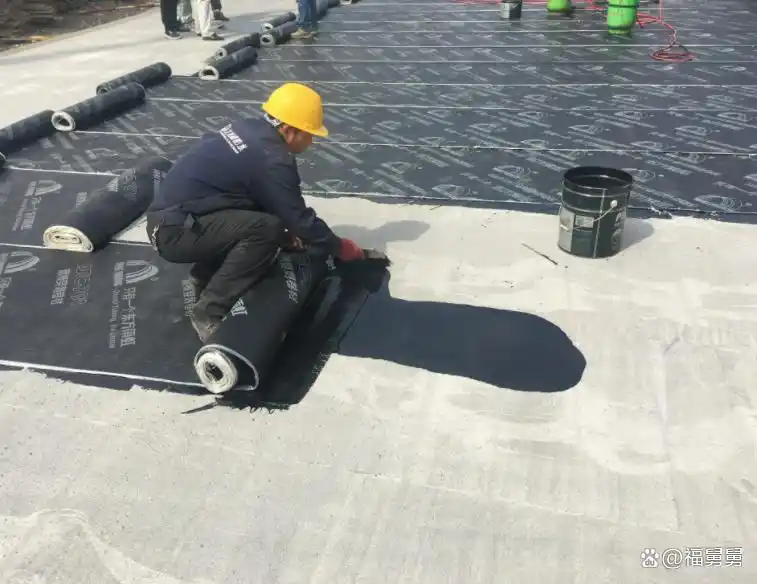
I. Waterproof scrolls
Water-resistant scrolls are divided into polymer-modified asphalt-resistant water-resistant scrolls and synthetic high-molecular water-resistant scrolls。
A polymer-modified tarcrete-proofing volume is defined as an enhanced material with no swirl and a high molecular membrane base, a polymer-modified asphalt-covered material, and a water-resistant volume produced by the plant。
Synthetic high-molecular waterproofing scrolls are those produced using plastic, rubber or a combination of the two as the main materials, plus human aids and fillings, etc., by crushing or crowding out processes。
Advantages of waterproof rolls:
Construction is easy, short-duration, does not require maintenance, is not subject to temperature, can be performed in an exposed environment, has minimal construction and maintenance limitations, is low environmental contamination, is easily controlled according to design requirements, is calibrated with materials, is easy to manage at the construction site, is less vulnerable to theft, is even in size and can effectively overcome the stress at the grass-roots level (in the event of larger cracks at the grass-roots level)。
Shortcomings of water protection rolls:
The disadvantages of the rolls need to be “specified” according to the shape of the water-protected floor, with multiple collages at the complex ground level, and the binding of the water-protected scrolls will be more difficult to bond with each other; complete sealing will be the main challenge and leaks more acute。
Post-construction protection and post-spill maintenance is also a challenge, and the cross-cutting break, defouling, leaking (even if only one) of any part, the whole aspect of waterproofness that is consistent with it will be completely lost, and partial repair will not be possible if the damaged and defective parts are not found。
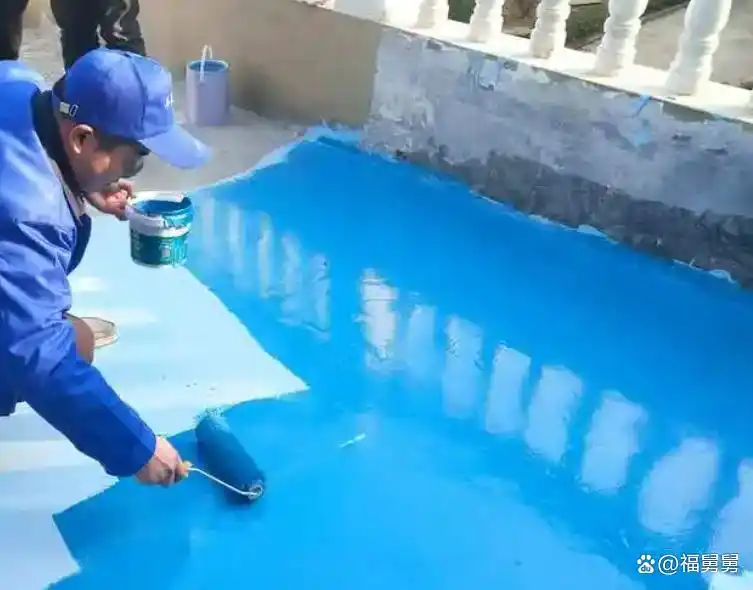
Waterproof paints
Waterproof paints are coated on the surface of a building, where the chemical reaction of volatilizers or water fractions forms a thin membrane that isolates the surface of the building from the water and thus acts as waterproof and sealed, and are referred to as waterproof paints. Waterproof coatings, which are solidified and form water resistant film, have a degree of extension, amplitude, fissure resistance, permeability and durability, and can act as waterproof, impermeable and protective. Waterproof paints are well adapted to temperature, simple to operate and easy to repair and maintain。
Waterproof paints:
Be adaptive, have no foundation requirements, and may be complex enough to form a continuous whole layer
2. Simple construction and easy access to construction technology
3. The construction of large areas is of short duration and of low intensity
4. The coatings are very compacted with the grass-roots surface
5. The warranty is very convenient if the coating is protected from leaks within the useful life of the coatings, most of which are open at the grass-roots level beyond the extendable width of the waterproof coatings, the cause of the leak and the area where the leak is formed are highly visible, as long as a small amount of waterproofing material is available to repair the cracks and damage
Waterproof paint deficiencies:
1. Some waterproof coatings require time to react to solidification before they can produce a waterproof layer
2. Waterproof coatings require multiple coatings and a certain amount of time for each of the coatings to be completed, thus taking longer to finalize the waterproof layer
3. The thickness of the coating waterproof layer is determined by the number of coatings made at the time of construction and, in addition to the number of coatings made, the solid content of the coating itself is the determining factor for the thickness of the membrane。
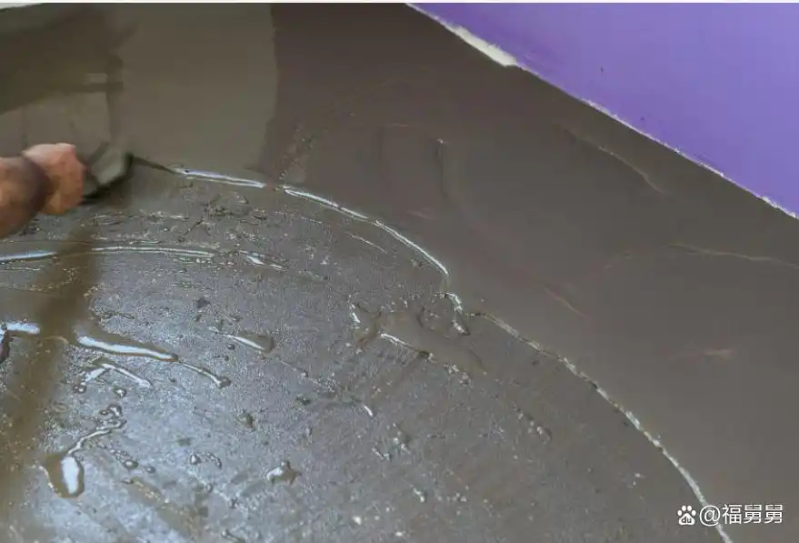
Iii. Cement-based infiltration crystal-resistant materials
Cement-based penetrating crystal-resistant materials are waterproof materials consisting of silicate cement, quartz sand, special activated chemicals, etc. Guided by water, water is used as a carrier, with strong permeability, to transmit, fill and fowl in concrete micro-pores and cavities, to form insoluble cyanide crystals, to combine crystals with concrete structures into closed water-proof wholes, and to block currents and other fluid erosion from any direction and from any other direction。
Advantages:
(1) extraordinary waterproofness
1 extreme water pressure resistance with long-term pressure。
2 extreme permeability: placement outside for six months with penetration depth of 100-150 mm
3 extremely long-term self-rehabilitation water resistance: self-rehabilitation of cracks less than 0. 4 mm
(2) have unique breathing, preservation, aging resistance and steel protection capabilities。
1 the material maintains normal aerobics within the concrete structure, with dry roads and no tides, while at the same time preventing the passage of water molecules。
2 the material is resistant to chemical corrosion,
3 the material is ageing and has a certain radiation resistance。
4 concrete, processed through the material, enhances the protection capacity of concrete against steel bars and protection against detoxification, decomposition and other damage caused by frozen water,
(3) environmental, non-toxic, non-hazardous。
(4) compatibility with other materials is excellent. The material may also be added to concrete injections and used in a synchronized manner with cement。
(5) construction is simple and labour-saving。
(6) temperature tolerance. There is no break, no skinning, no change。