Author, wang soo-young
Tea flowers are one of the 10 most famous flowers in our tradition, and it has always been the dream of the world's tea-breeding community, but it is not easy to achieve them. In recent years, palm eco-cities development corporation ltd. Has built on years of industry experience to impress the industry with its own four seasons of tea flowers. The journalist interviewed zhao jianmin, director of company research and development, about the process by which the four-season tea flowers were grown, spread to abuse and advocacy。
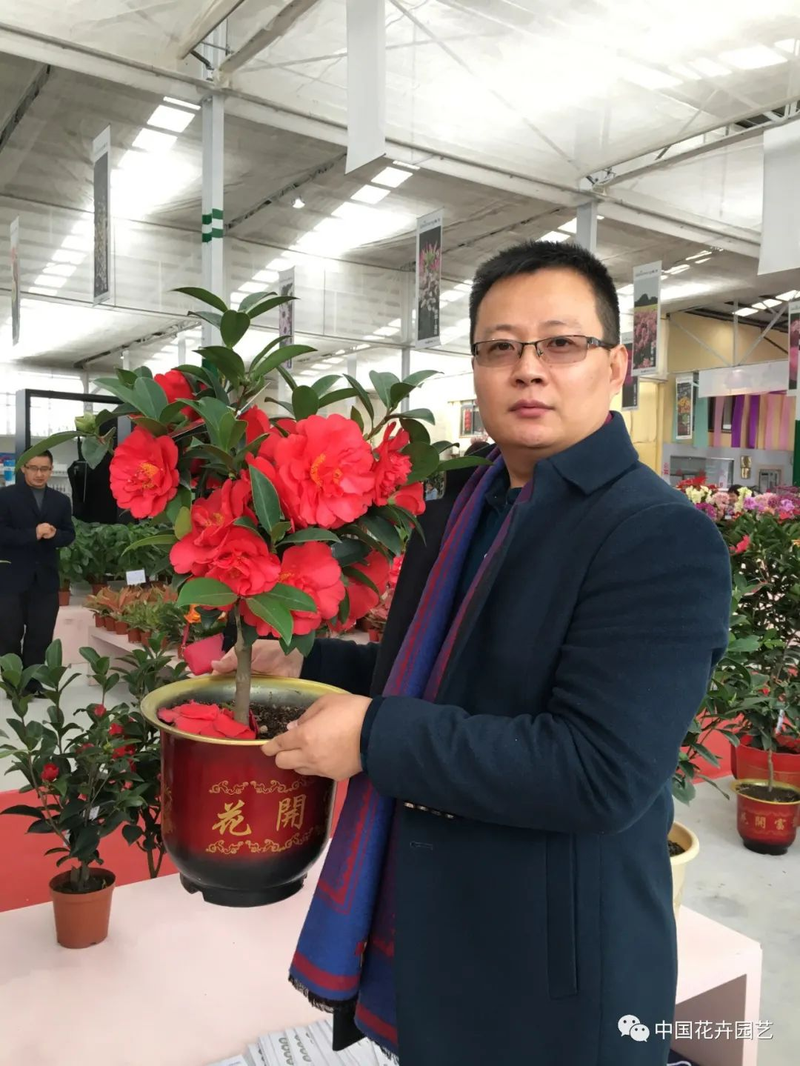
Zhao jianmin and the four seasons tea plant
I've got a new breed
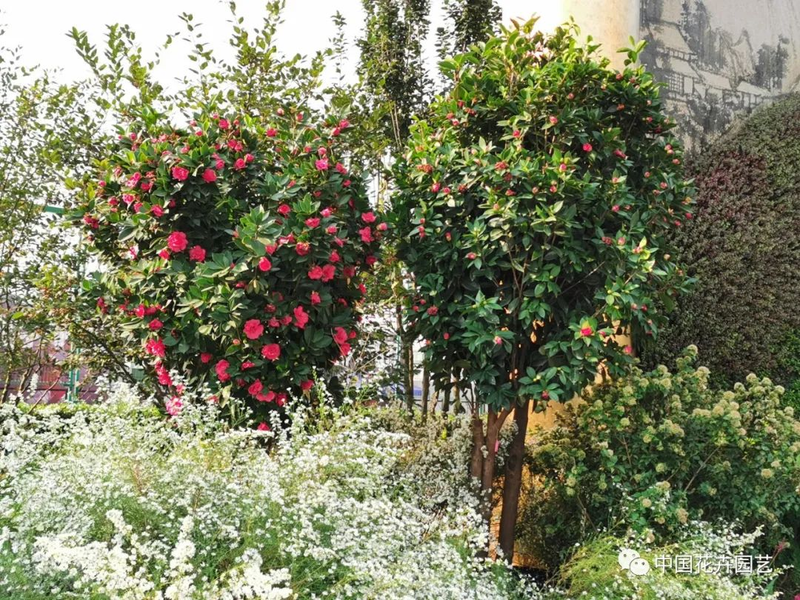
Turning to the original intent of palm for tea breeding, zhao jianmin said: “in 2003, palm inherited the hong kong disney project, a plant with high plant requirements, hoping to apply some special plant materials, and in the course of the year’s tea academic conference at the alin institute of middle school research, a report on doo-choose mountain tea was given by the senior banker, who, for the first time, certainly described its four-season flowering characteristics. The report drew the attention of the palm senior management team, particularly the former chairman of the board, wu gui chang, who, after extensive research and in-depth exchanges with the bank, launched a tea breeding project in 2006, formed a tea breeding team and engaged, inter alia, retired high-suffling banks to host the project.” after more than 10 years of sublime research, the palm company breeding team, on the basis of its extensive collection of tea flower resources, used our precious mountain tea seeding resources, as the main hybrids, to blend with other well-established tea flowering plants. To date, palms have produced a series of new four-season tea flowers in bulk for summer, autumn and winter, and small spring flowers, filling a gap in the world's four-season flower varieties, with more than 40 newly licensed mountain tea varieties and seven plant patents in the united states。
The great success of the palm four seasons tea flowers has been the result of the flower-like genes of the doo-choose mountain tea. New varieties of the four seasons tea flower series have achieved a breakthrough in chronology and resistance compared to traditional tea varieties. At the flowering season, traditional tea varieties are concentrated in the spring and only once a year, while the new four-season series of tea flowers can bloom four seasons a year. The four seasons of tea are hot, sun-resistant and cold-resistant, and the surface is safer in the south of the country under the high-temperature and hot summer conditions. The new varieties of the four seasons of tea have a clear hybrid advantage, with a strong plant growing, often green, symmetrical trees, bright leaves, dense flowers, rich flowers and long flowers。
Today, the results of the four seasons of tea production have been won by the national science and technology progress second prize, the liangxi forestry technology second prize, and the core members of the research team, takahashi and wu guui chang, have received the highest honours of the international tea association “presidential medals” in 2012 and 2016, respectively. This is the only unit in the world that has been awarded this award twice, laying palms at the forefront of tea breeding in the country and in the world。
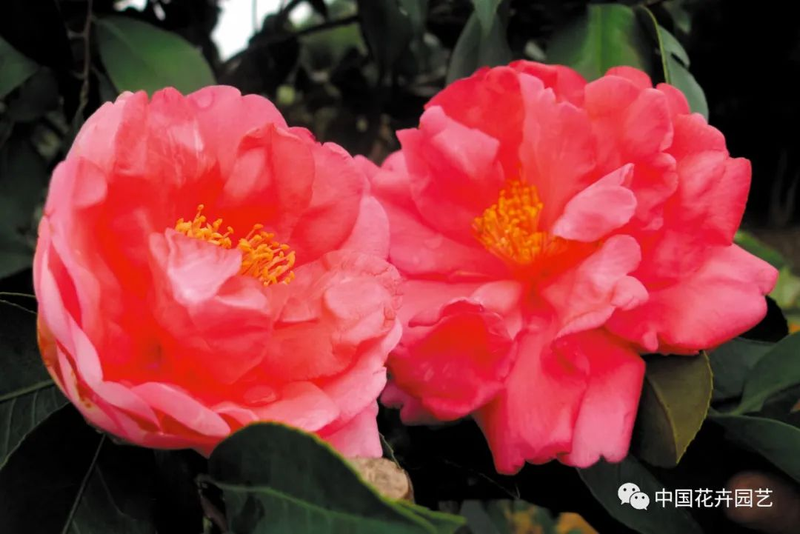
♪ summer winds and waves ♪
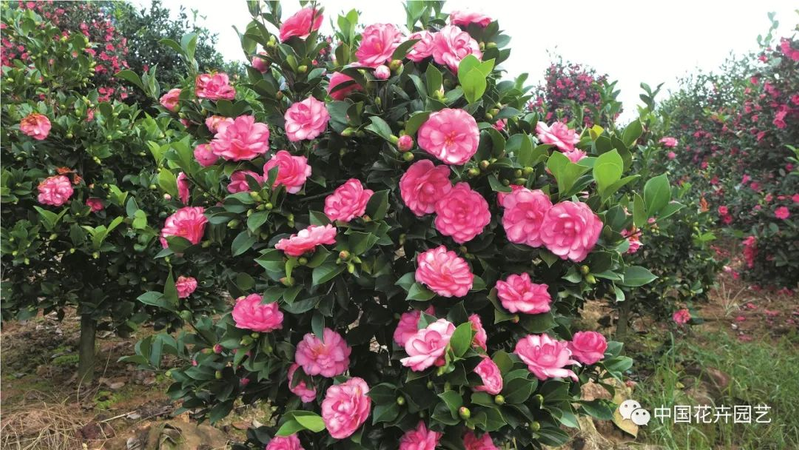
"summer dreams"
Use of exclusive authorization
The creation of an orderly and sustainable market for the promotion of new varieties in the country is an urgent problem. In order to explore a model for the promotion of new varieties suitable for our flowers, palms, using a new type conversion method with exclusive authorization, authorized the global 10-year exclusive right to commercial development of new varieties of mountain tea series to guangzhou palm garden development ltd. The third party plantation unit of guangzhou organizes the production of new varieties, as well as flower distributors in various regions of the country, the establishment of a national marketing network, the use of custom flower pots and false labels and the harmonization of brand names。
Since its roll-out in 2015, palm has accumulated over $30 million in licence contracts through authorized licences. In the industrial division of labour, in order to better integrate and balance the division of labour and inputs in the development of new varieties, market management, production and distribution of products, palms bear the tasks and costs of developing new varieties, guangzhou palms are responsible for integrating chain management and rights, licensing and management fees, brand operating fees, etc., and production units are responsible for the costs associated with the production of products and the costs associated with the sale of products. In terms of product sales and distribution of proceeds, product standards and sales reference prices are set by the guangzhou brown section, which is set in conjunction with the market, with palm companies charging a licence fee at a fixed price per tree, with production units and guangzhou palms split in proportion to the price of the product's bed, all of which are distributed by guangzhou browns, which sells abroad at the prescribed price。
At present, palms, based on autonomous intellectual property rights (ipr) varieties, are effectively addressing the employment of the labour force in the vicinity of production bases through the production of products by the cooperatives, leading to the supply of the relevant resources in the supply chain, and some production bases have been classified as government projects to combat poverty. The construction of the authorized production base has been largely completed, with a cooperative production base of approximately 2,000 acres, with production reaching over 1 million basins per year。
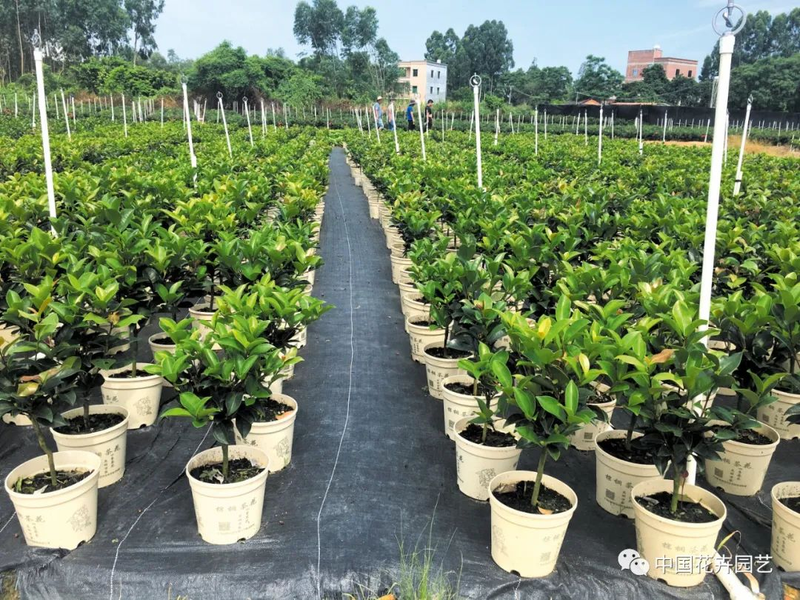
Plant production
Protecting the legitimate rights and interests of breeders
As in most breeding units, palms face many challenges in breeding. Zhao jianmin stated that, since the previous experience in tea breeding had been concentrated mainly on flowers and colours, palm breeding teams had focused their research on flower control as an alternative path and had inevitably encountered problems during breeding, such as different bouquets, which they had to save first, pollen for different pollen for winter and spring, and to keep them alive until autumn. It also takes at least 8 to 10 years for woody plants to grow. Palms have overcome many difficulties by reducing the flowering time to six to seven years through such techniques as seedling。
“the use of non-sexual reproduction by tea flowers, the relatively low threshold of marriage techniques, and the current abuse of unauthorized permits for large-scale production and marketing of new mountain tea varieties, not only by the number of violators and the large number of products, but also by the uneven quality and relatively low cost of production, seriously harm the interests of palm and industrial chains and disrupt market order. Over the years, palms have spared no effort to maintain breeding with their own funds, and intellectual property protection is particularly important in order to avoid the loss of seed costs.” zhao zhangmin said. At present, palm has commissioned and assisted the guangzhou brown section in the defence of rights investigations and evidence, has obtained information on the establishments and individuals involved in the illegal production and sale of new tea varieties, and has actively communicated with the relevant forestry administrative authorities, but no desired results have been achieved through the administrative enforcement of rights, and judicial proceedings have been initiated and will take place shortly before the guangzhou court of intellectual property rights。
With regard to the difficulties faced in the protection of human rights, zhao jianmin believes that, in forestry administration, there is a lack of operationality of the relevant laws and regulations with regard to the identification of varieties. For example, the administrative enforcement scheme for the protection of new varieties of forest plants provides that “the plant varieties involved in the case may be identified by means of field observation tests, genetic fingerprint mapping, etc.”. However, there are no specific elements of who organizes the identification, which units have the qualifications to conduct it, what the specific methods are, and how to produce valid findings, which makes enforcement difficult. Second, the difficulty, length of life, high cost of securing rights for new plant varieties and, more importantly, the existence of self-absorption exemptions for farmers do not apply to viewing plants, since, fundamentally speaking, farmers do not have the need for large amounts of self-absorption seedlings, largely for commercial gain, creating significant legal barriers to the judicial defence of new plant varieties. According to zhao, the legal system is currently in place at the national level, the national forestry and grassland authority has introduced new legislation on the protection of varieties, and the supreme people's court has issued a judicial interpretation of intellectual property rights. Although implementation is not yet adequate, the situation is positive, as long as the right-holder does not give up and insists on defending his legitimate rights and interests。