With advances in science and technology, the knowledge of plants is growing, and they are becoming more sophisticated, for example, when it is discovered that a plant in rural areas can improve human “white hair”. The pressure of life, which has made many young people “pre-old and white”, has been a problem in the medical world, where people have for a long time been able to stop the process of black hair and white hair and not cure them completely, yet this plant gives hope, even as one of the special effects of white hair. Have you ever heard of it? Its name is yellow。
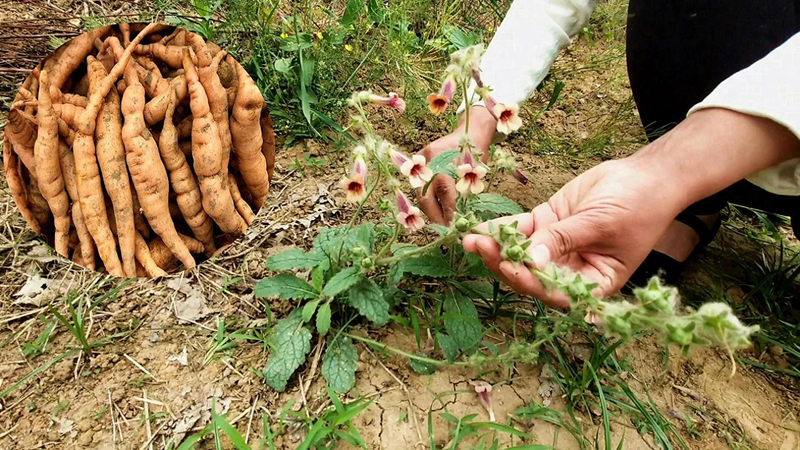
Yellow is a fresh or dry root of yellow for the basalt. Autumn digs, with the removal of head, stubble and sand, are fresh, known as “fresh yellow”, or dry, with the smooth baking of the ground to about 80%, known as “live yellow”. When made with processed cannons, the ground is ripe。
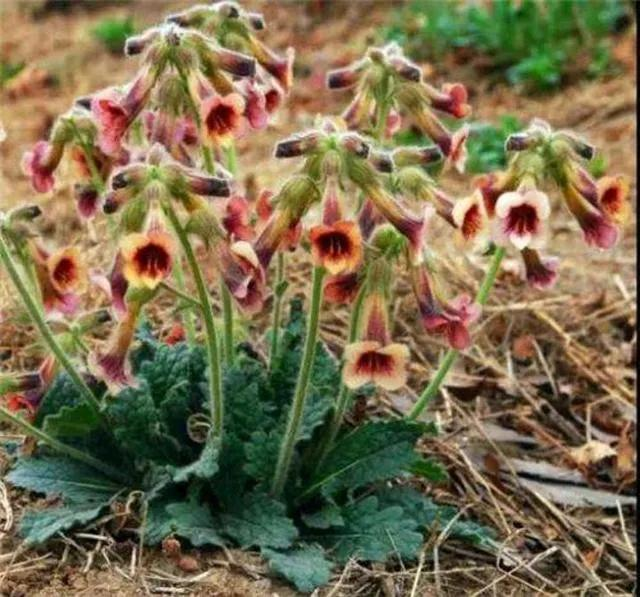
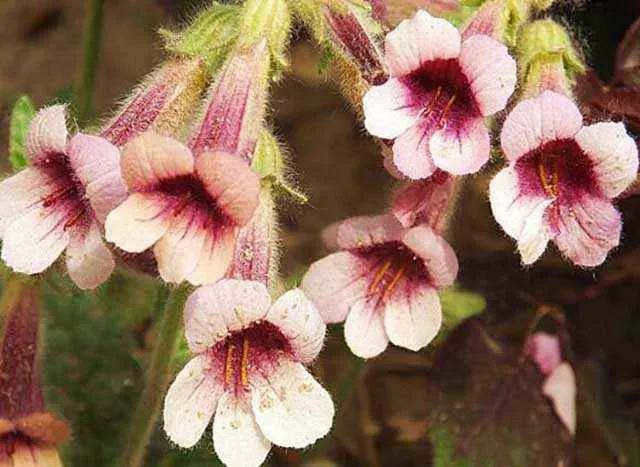
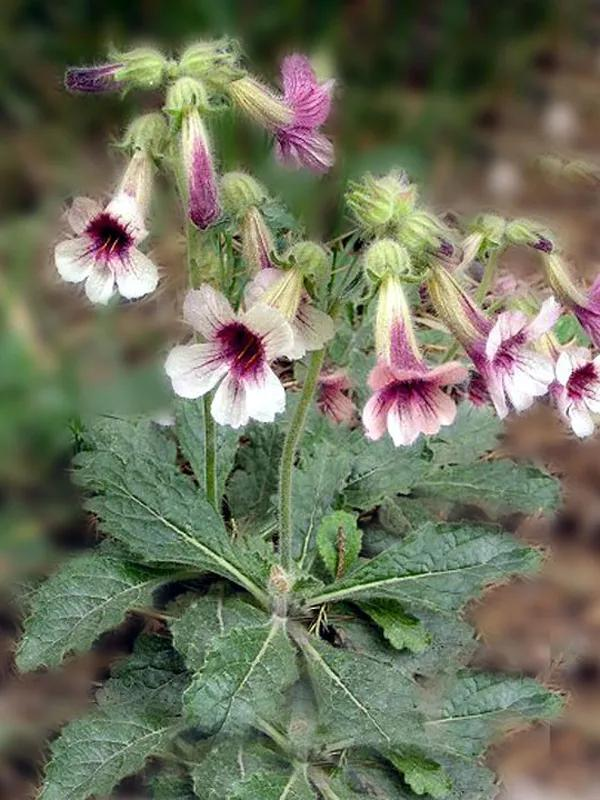
The yellow flower is shaped like a cow-wooling flower, with a long tubing, with the outer side of the petal flipping out, with purple red and yellow cores. It's like a horn flower, and it's like a purple bell. It's beautiful and of great value。
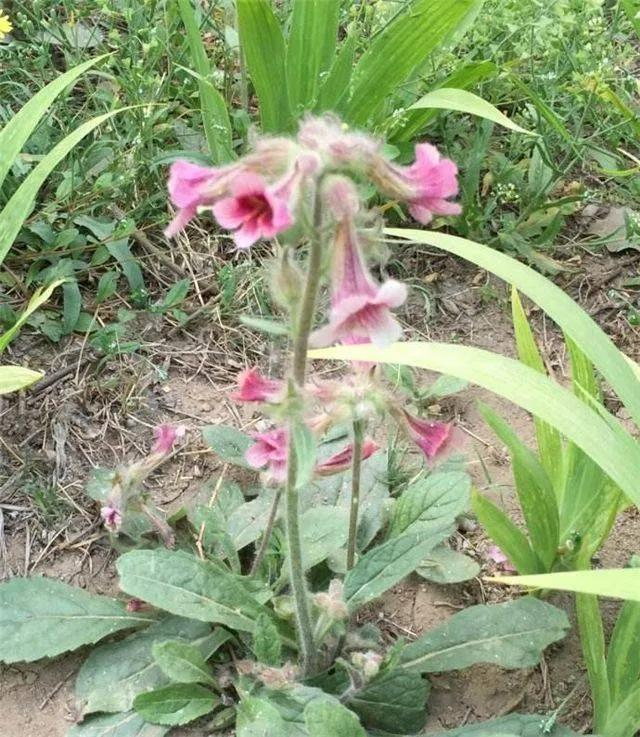
The leaves are ovarian and are usually concentrated at the lowest end, like a lotus seat with a penis and a flower on top. Flowers, tubers and leaves are covered with fuzzy wool and planted at an altitude of about 10-30 cm, which is a multi-year herbivorous plant. I think it's probably the origin of his name "low yellow"..
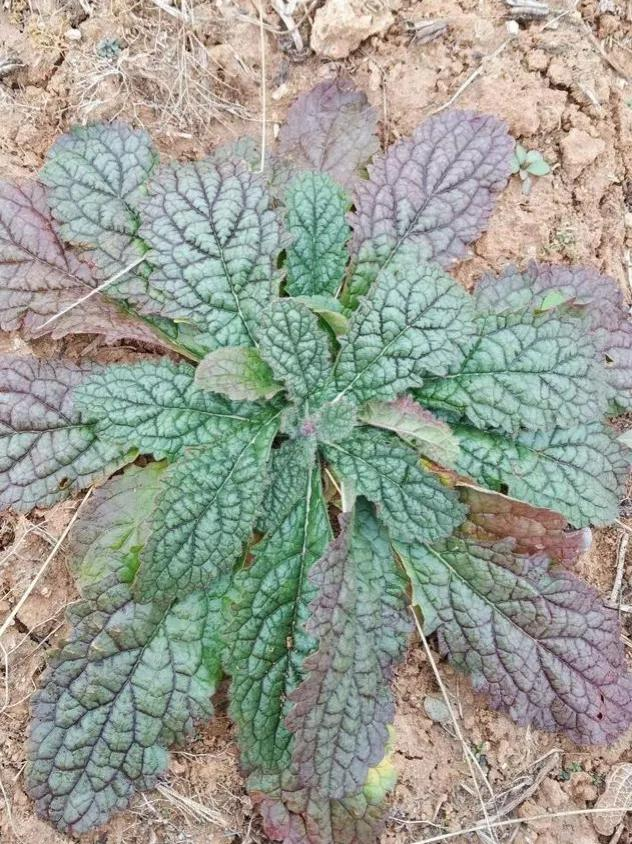
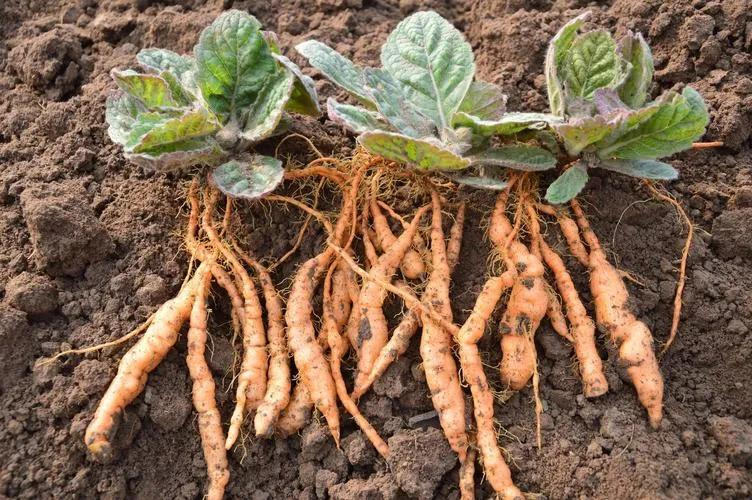
Most of them are grown on wild slopes, under the foot of the mountain, on the corner of the wall or on the side of the country's small road, at an altitude of about 50 to 1,000 metres above sea level. If you live in the countryside, you'll probably see this plant。
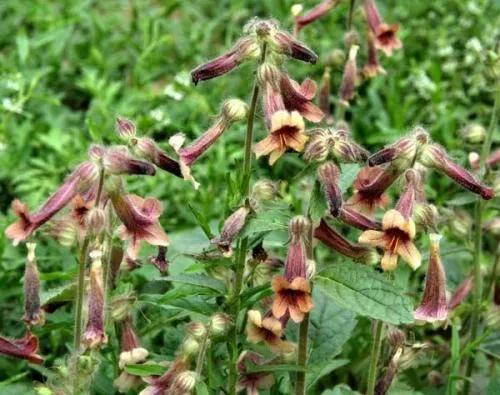
When winter comes to spring, people can see the new yellow land on both sides of the road and on some small hills. Growing up, yellow leaves are green, fluffy, and a sense of meat, and flowers are one of the “sweets” of rural children, and when the local yellow flowers are opened, many children find them in the forest, sucking on the nectar of flowers, tastes like honey, and they are called “honey cans” in the fields
Sweet and yellow flowers are snacks that rural children will never forget, an impression that will accompany their lives. Once upon a time, yellow leaves were a form of pig feed, and today not only flowers, but even leaves have become a treasured good thing。
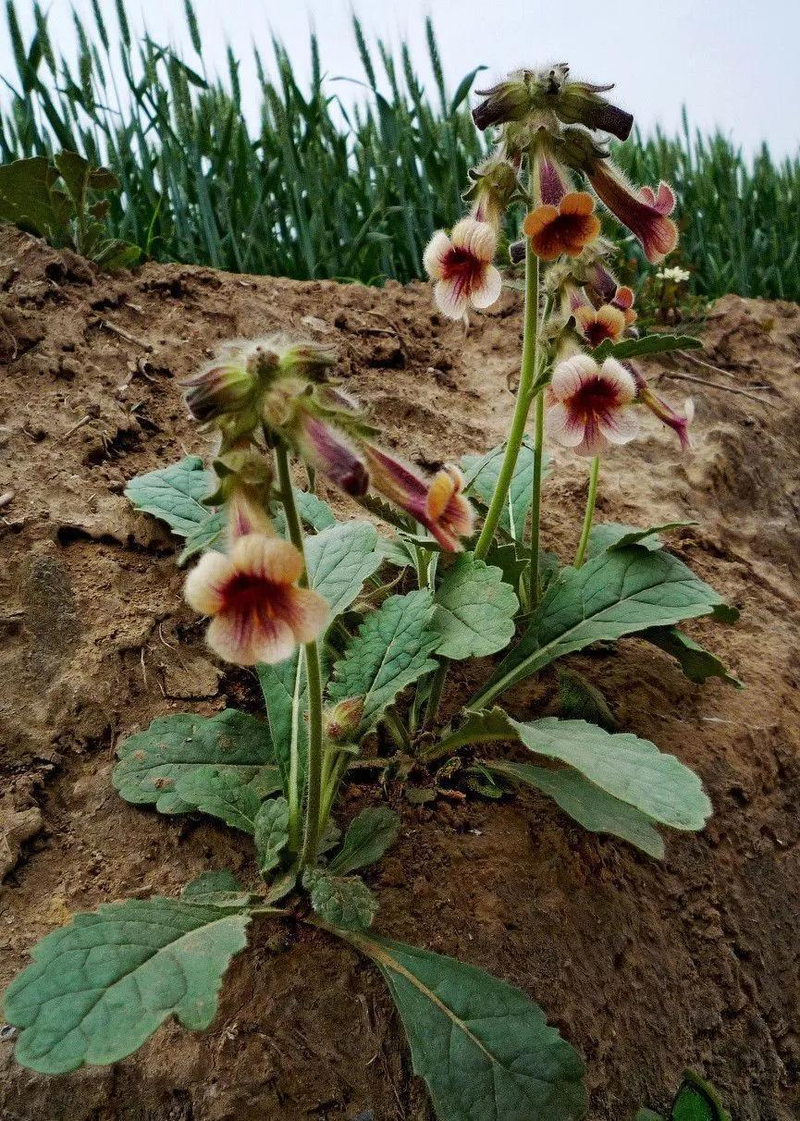
In the past, people did not know what the value of yellow was, and perhaps it was a high value as pig feed. In fact, people now dry their yellow leaves and make excellent flowers tea, not only to satisfy the expansion of our tea culture, but also to create new economic values. The yellow roots are edible, not only for porridge, but also for high nutritional value, but also for pickles to make a special dish。
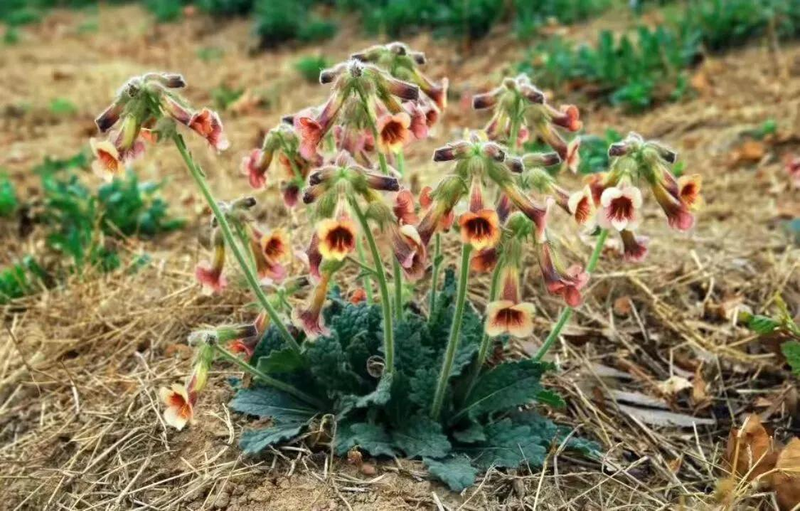
At a time when people had been living in difficult circumstances, not only was life-saving food seen by many, but its high value for medicine had long been valued。
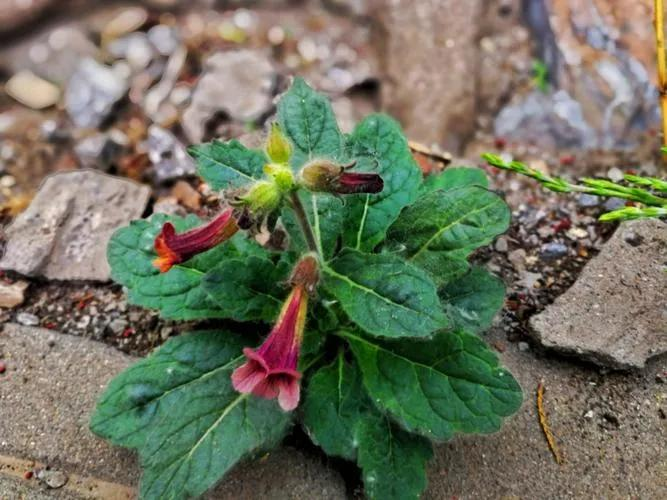
Yellow is used mainly because of its medicinal value. It has been in china for thousands of years, and it is documented in the ancient medical book, the sorceress of the sorbonne. The literature on land yellow can be traced back to twilight. Yellow is a very important medium of chinese medicine, which is included in the tablets, as well as in the ash, and in the knee of the cow. In the song yuan era, the land was packed and given as a precious gift to relatives and friends. Today, yellow is still widely used in chinese medicine products, not only popular in china, but also recognized by people around the world。
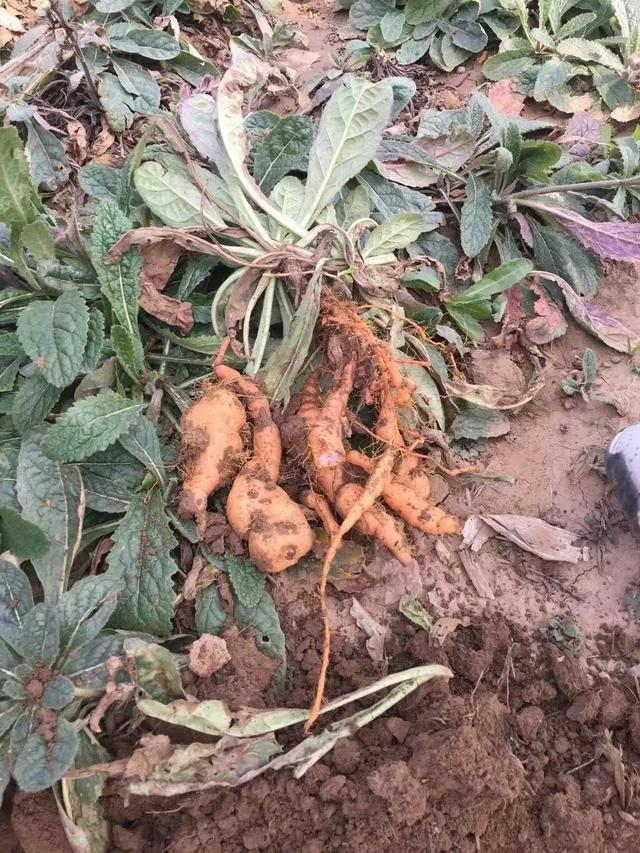
At the harvest, the state of the plant is to be observed to determine whether it is mature and the root is in hibernation. The suitability for harvesting can be determined by the state of the leaf, when the leaf is clearly yellow and leaves and troughs cease to grow and shrink, and it can be determined that the roots are no longer growing after the hibernation, at which point the wild yellow can be extracted。
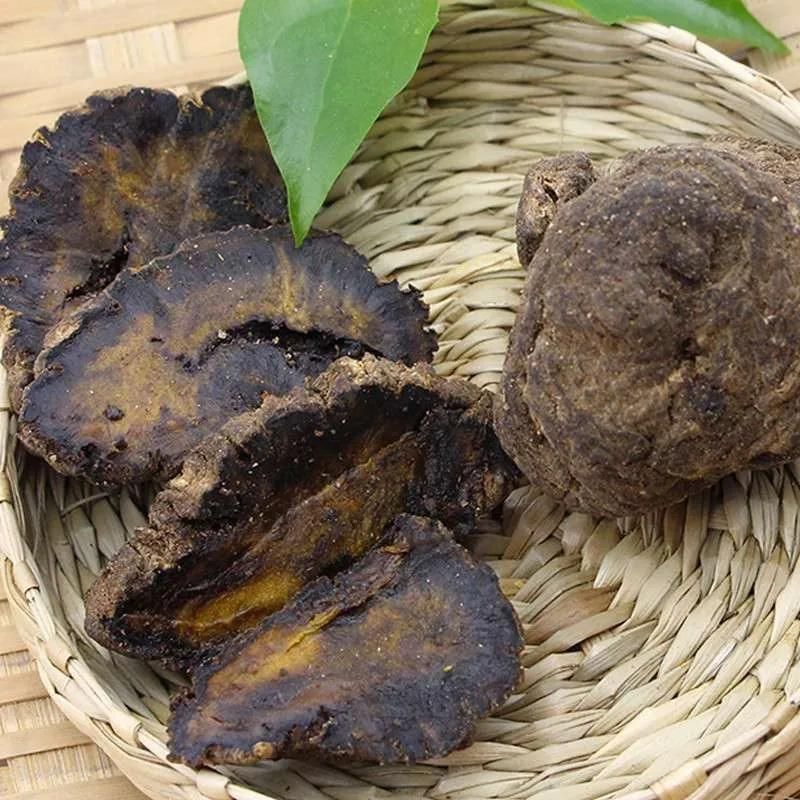
The freshly excavated ground yellow can be used directly as wild food or dryed and replaced. Washed yellows are laid in the sun to dry, piled together for a few days and then dryed. These operations are repeated until the yellow is dry and soft. The tan can be used for tea, wine, ointment or pills。
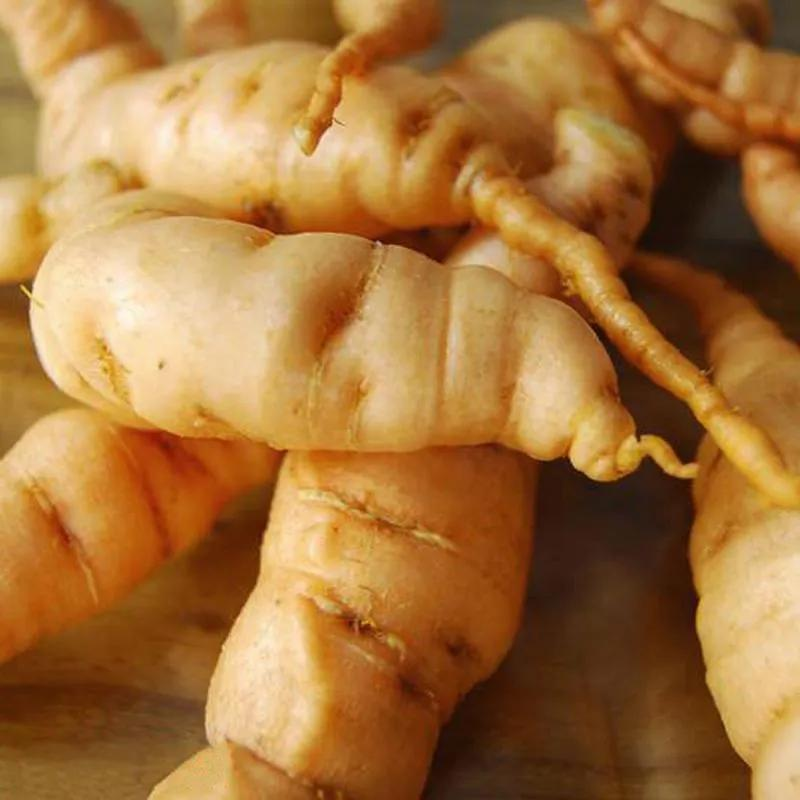
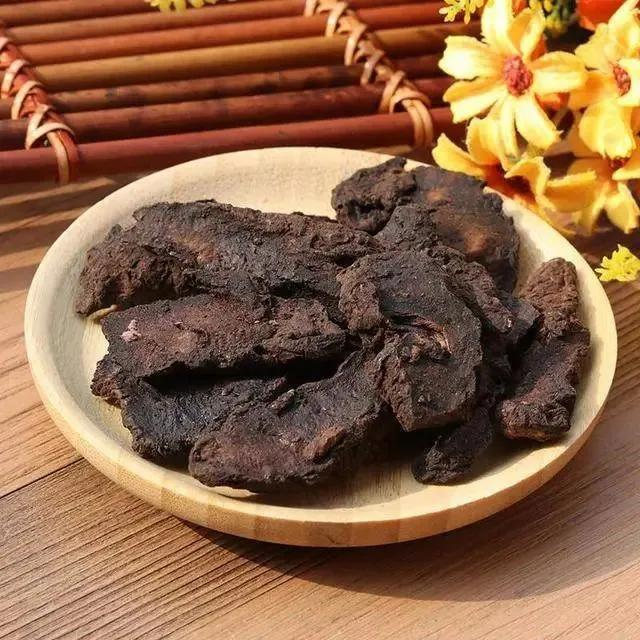
Post-dry yellow should be stored in dry ventilated areas to avoid sunlight and damp environments. They may be placed in sealed containers or sealed in sealed bags. It would be preferable to keep it in a cool and dry place and to avoid exposure to odour or toxic substances in order to ensure quality and the stability of drug effects。
In sum, yellow has an important place in chinese medicine and has a broad application value. The harvesting, drying and preservation of wild land yellow requires attention to techniques and methods to ensure its efficacy and quality. The use of yellow land also requires the rational selection and matching of other medications to achieve better treatment, taking into account specific medical conditions and individual differences。
Note: this is a general science article, which is not recommended for private use and is to be used under the guidance of a physician