I. Brief description of the microcar
Microcars are the smallest-sized and least-distributed type of passenger vehicle in the classification of vehicles, whose core characteristics are compact body structure, light-quantitative design and efficient space utilization, usually with the primary objective of meeting the short-distance, day-to-day shuttle and light transport needs of cities。
In accordance with international standards and industry practice, microcars are defined mainly on the basis of parameters such as body length, axle distance, engine charge, etc.: the length of the body generally does not exceed 3. 5 m and the axle range is between 2. 0 m and 2. 3 m, the engine charge is usually less than 1. 0 l (part of the new energy model replaces the charge parameter with electrical power), and the whole vehicle quality control is within 1 ton. This design provides for flexible manipulation, low-energy and smaller parking areas, particularly in high-density urban transport environments and narrow road conditions。
As an important component of urban transport, mini-cars have been flourishing globally in recent years. As urbanization accelerates and environmental awareness increases, microcars become one of the effective solutions to urban congestion and environmental pollution with their small, flexible and economically environmentally friendly characteristics. In the broader context of the transformation of the energy structure, the maturity of electrodynamic technologies has injected new dynamism into microcars, moving from traditional step tools to new modes of transport that integrate smart technology with green mobility. In particular, in asian and european markets, mini-cars are favoured because of their adaptation to narrow streets and limited parking spaces。
As an important complement to urban transport systems, microcars emphasize economicity and practicality in their functional positioning. The target user groups include urban commuters, young consumers and small families, with the main applications covering short-distance walk, delivery of children, high frequency trips such as community shopping and low mileage travel requirements. With the spread of the shared economy and new energy technologies, microcars are extending from traditional private vehicles to shared models such as time-leases, shared trips and so forth, while enhancing user experience through intelligent configurations (such as automatic parking, car network systems). At present, the mini-car market is characterized by a trend towards motorization, modularization and individualization, which are key subdivisions for the transformation of the automobile industry towards low carbon, light quantification。
Analysis of the current market situation in the mini-car industry
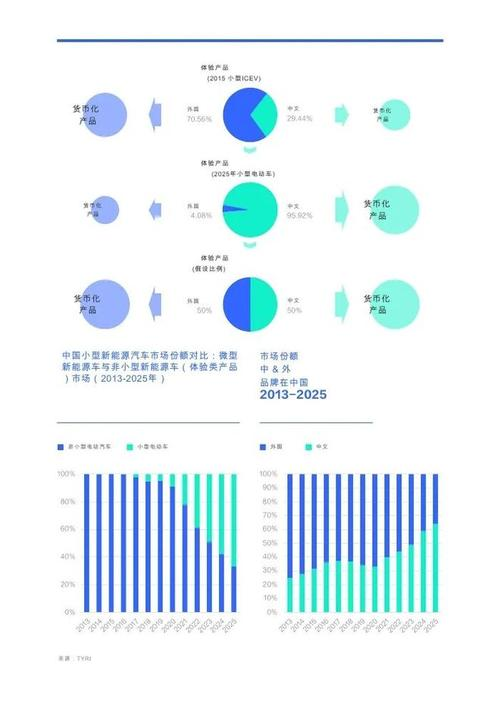
The market for mini-cars is now diversified, with a rapid shift in product patterns from conventional fuel mini-cars to electric mini-cars. At the technical level, the increase in cell energy density and the improvement of the charging infrastructure have significantly alleviated the problem of continuous flight anxiety and enabled electric mini-cars to function to meet day-to-day commuting needs. In terms of design, modern mini-cars are more focused on space utilization and cosmobilization and greatly improve product competitiveness through the introduction of modular design and smart configuration。
There have also been significant changes in the structure of consumer groups. In addition to the long-standing demand for vehicles for young urban groups and families, microcars have begun to attract more environmentally friendly middle- and high-income groups. This segment of the consumer sees microcars as an option to demonstrate an environmentally friendly lifestyle rather than merely an economical means of transport. At the same time, there has been a steady increase in the demand for simple and easy-to-drive mini-cars。
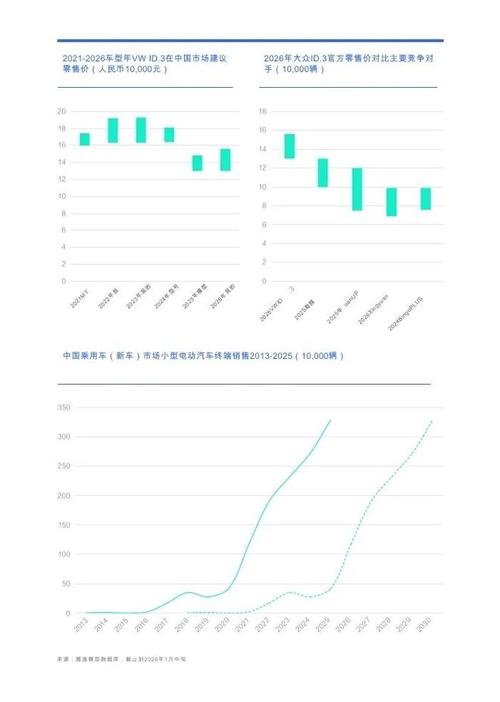
According to the report of the industrial research institute of china, analysis of investment prospects in microcar markets 2026-2030 and projections for the study of supply and demand patterns:
Business model innovation is another major feature of the microcar industry today. In addition to traditional modes of sale, new business models such as time lease, subscription services are emerging. These models have lowered consumer access thresholds and expanded the base of potential users, while also providing producers with a continuous source of service revenue. Especially in closed or semi-enclosed environments such as university campuses, tourist areas and large communities, microcar-sharing services have developed relatively mature business models。
Technological advances in the mini-car industry are mainly in three main directions: electricization, intellectualization and light quantification. Electricization technology has moved from the early lead-acid batteries to the lithium ion battery system, with significantly shorter charge time and sustained energy intensity. Some front-line products are beginning to experiment with solid-state battery technology and are expected to break further energy intensity and safety bottlenecks. Optimization of electrical efficiency and refinement of energy recovery systems have made micro-cars more energy efficient than ever before。
Smart configuration is becoming the standard rather than the preferred mix of microcars. Basic driving aids, such as automatic emergency brakes and maintenance of drive lanes, have gone down to the mini-car field, significantly increasing the safety of motor vehicles. The application of vehicle network technology has enabled micro-cars to better integrate into intelligent urban transport systems and to perform such functions as charge-posting, intelligent route planning, etc. Voice interaction and simple auto-driving functions have also begun to emerge in high-end microcar products, enhancing user experience。
Light quantification technologies go both through material innovation and structural optimization. The widespread use of high-strength steel has reduced body weight while ensuring safety, and some models have begun to try aluminium body parts or even carbon fibre components. The concept of modularization is designed to facilitate maintenance and reduce manufacturing costs. Together, these technological advances have contributed to the overall upgrading of microcar performance, which has moved away from the "low end" label and towards high-quality mobility tools。
In the light of the current developments in the mini-car industry, the virtuous interaction between technological innovation and market demand is reshaping this subsector. From the early pursuit of low prices and economics alone to the present balance of performance, intelligence and environmental protection, microcars have completed a comprehensive upgrading of product positioning. This shift reflects both changes in consumer preferences and a strong appreciation by manufacturers of market trends. As technology continues to break through and business models continue to innovate, the microcar industry is standing at a new development node. On the one hand, urban traffic pressures and environmental constraints create huge potential demand for micro-vehicles; on the other hand, how to balance costs, performance and user experience remains the subject of continuous industry exploration。
Iii. Projections of the microcar market outlook and trends
Over the next five years, the mini-car market will show accelerated growth, driven mainly by three drivers: policy support, consumption upgrading and urban development needs. A growing number of cities will encourage the use of microcars, especially in heavily overcrowded metropolitan areas, including through restriction policies, parking concessions and car purchase subsidies. The increasing rigour of environmental regulations will also encourage more consumers to opt for a zero-emission electric minivan as a daily alternative。
At the product level, microcars will be further divided into sub-categories that meet different needs. Urban commuters will highlight smartness and networking; dedicated shared services will enhance durability and ease of management; and high-end personalization will focus on design perceptions and customization services. Such product diversification strategies help micro-cars to reach a wider group of consumers and break the original market boundaries。
Technological integration will bring new possibilities to microcars. As the technology for automatic driving matures, microcars can become one of the first vehicles to achieve full automatic driving because of their relatively simple and low speed. The development of vehicle networking technology will allow micro-cars to be better integrated into intelligent transport systems and achieve vehicle synergy and optimization of resources. In the energy sector, the expansion of wireless charging and switching models is expected to further address the issue of recharge accessibility。
International market expansion is another important growth point. The urbanization process in emerging economies has created a huge demand for micro-vehicles, while the quest of developed countries for environmental mobility has provided market space for high-quality micro-vehicles. Enterprises with pre-emptive advantages can seize these potential markets through technology exports and localized production。
Of particular note is the fact that the spread of microcars will have a profound impact on society. It helps to ease urban traffic congestion, reduce carbon emissions, increase the efficiency of the use of parking resources and even change urban spatial layout and community planning designs. As a sustainable travel solution, microcars will play an increasingly important role in building green smart cities。
Overall, the mini-car industry has a wide range of prospects but challenges. Only those enterprises that have an accurate grasp of technological trends, a deep understanding of user needs and the courage to innovate business models can emerge from this round of industrial change. As societies increasingly pursue efficient and environmentally friendly mobility, microcars are expected to grow from a small market to a mainstream choice of urban transport, making an important contribution to global sustainable development。
More detailed analysis of the mini-car industry can be obtained by clicking on the china-china study, analysis of investment prospects in micro-car markets and projections of supply and demand patterns, 2026-2030。