What do motors do to cool down
An efficient cooling system is essential when motors are operating at temperatures above 2000°c and if they are not cooled in a timely manner, they can deform, lubricate and even burst. Modern cars rely mainly on “water cooling” systems, with a few special models (e. G. Early mass beetles, some motorcycles) using “wind cooling systems”, but water cooling is dominated by heat dispersion stability and efficiency。
Car
The core of the water cooling system is the "cooling fluid cycle." refrigerated liquids (commonly known as refrigerated fluids) consist of water, ethanol (freezing content), additives (corrosion resistance, boiling resistance), which drive the cycle between engine watercourses and radiators through pumps. When the cooling fluid flows through the engine's cask, the cooling fluid enters the heat of the high temperature component, the temperature rises to the boiling point (usually 105 °c or above, depending on the formulation), and is fed into the radiator (water tank), the heat is distributed into the air through the radiator, and the cooling fluid is re-entered into the engine through the pump。
The radiator is the “key hub” for cooling. It consists of thousands of thin-walled copper tubes or aluminium tubes, with external dispersive fin blades, which accelerate the flow of air (electrically or mechanically) between the front wind and the dispersing fan (electrically or mechanically driven) while the vehicle travels. The fans are classified into thermocontrol and variants, the former being activated by a water temperature sensor, and the latter, which adjusts speeds to the high and low temperature to avoid energy waste。
The thermostat is a circular "smart valve." when the engine is coldly activated, the thermostat is shut down and the cooling fluid is only in the small internal cycle of the engine, rising rapidly to the optimal working temperature (85-95°c); when the water temperature is reached, the thermostat is opened and the cooling fluid enters the radiator cycle to prevent overheating. If the thermostat fails (e. G. In the case of card delay), it causes the engine to be “too cold” or “overheated”, which affects performance and life。
Car
Pumps are responsible for driving the flow of cooling fluids, which are driven by motor belts or electric engines, and the amount of water pumped needs to match engine power: the greater the power, the more heat generated per unit of time, the greater the flow of cooling fluids. Modern water pumps tend to use metal or high-strength plastic materials, and the ageing of seals is a common point of failure, with leaks resulting in a shortage of cooling fluids, which triggers dissipation。
Auxiliary cooling devices enhance reliability. Some high-performance engines are equipped with oil coolers to prevent oil from falling from high-temperature viscosity and loss of lubrication capacity; transformer tank oil chillers simultaneously reduce the temperature of the transmission system, especially in the case of frequent alternations of congestion. The electric vehicle's electric and battery heat is independent of the engine, but has similar principles and controls the temperature by liquid or wind。
Wind-cooling systems rely on air for drifting heat. The engine tank and the cover surface are designed to contain a large amount of dispersing tablets, using natural wind or specialized fans when the vehicle is travelling, to remove the heat directly. Its structure is simple and light, but its dispersive efficiency is strongly influenced by speed, high-speed performance, low-speed or static overheat and high noise, and therefore applies only to small or low-power engines。
Car
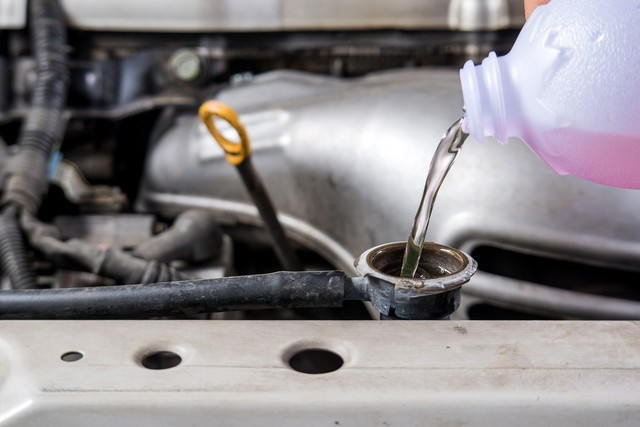
Proper maintenance is the guarantee of a cooling system. Regular replacement of cooling fluids (recommendations 2-3 years or 40,000-6,000 km) to avoid boiling point reduction and corrosive waterways due to the failure of components; examination of the laxity of the water pump belt to prevent slippage to affect cycle efficiency; cleaning of the willows, dust on the surface of the radiator to ensure the smooth flow of heat holes. In the event of an "almost hot water" alarm on the dashboard, stop immediately and work at a low speed to avoid direct capping (preventing high temperature cooling fluid spray)。
The process of cooling motors is essentially a precision project of “heat transfer”, from high-temperature components to cooling fluids to external air, and the coordinated work of each link ensures that the engine remains in the best temperature range. Understanding the rationale and maintenance of the system not only avoids sudden failures, such as “cooking”, but also increases engine life and safety。