At the moment, more than 160 acres of mussels in the lower courtyard of loping town, in the flatland, have been productively harvested. In the fields, fresh beads are full of vines and the villagers are busy picking and packing, and a busy harvest. This niche industry not only allows growers to taste sweets, but also allows many villagers to gain employment at home。
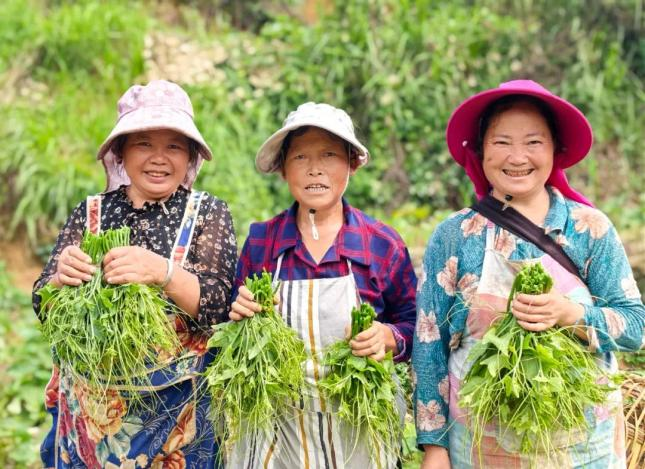
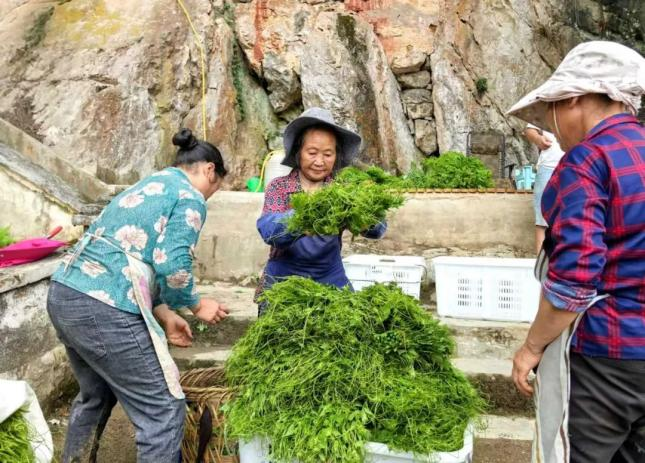
Entering the buddha's plankton planting base in the lower village, green vines crawling with stairwells, and young buddha's beads prowling between leaves. The villagers traveled through the fields and skilledly picked a pickle into the basket。
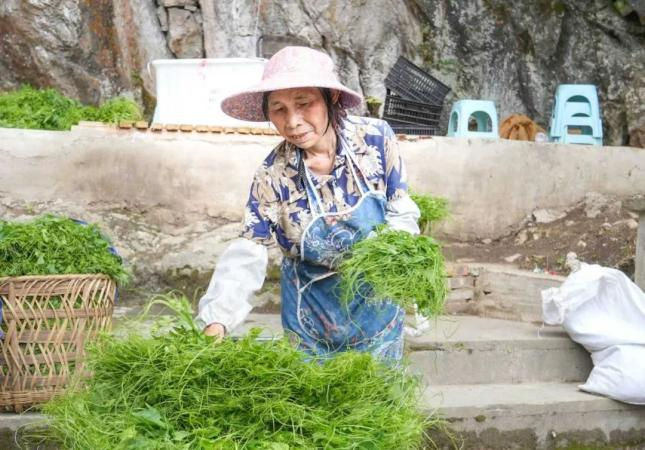
“i'm from my village, the first day i came to pick the poach the poach, the next day i took the poach, 84 poached the poaching, three days, and yesterday i picked 90 poachers, thanks to mr. Yang for coming to our village to grow the buddha's handmeasure. We're too old to work outside, to work here for a bit of money。
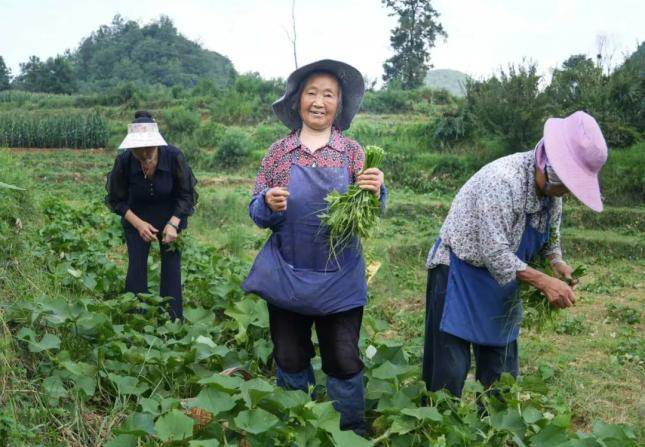
In the mouth of joo gwang young, mr. Yang, it is the buddha's hand in the village of the lower house that planted yang. He had previously taken this variety and technology back to his home village when he had found a business opportunity to grow it。
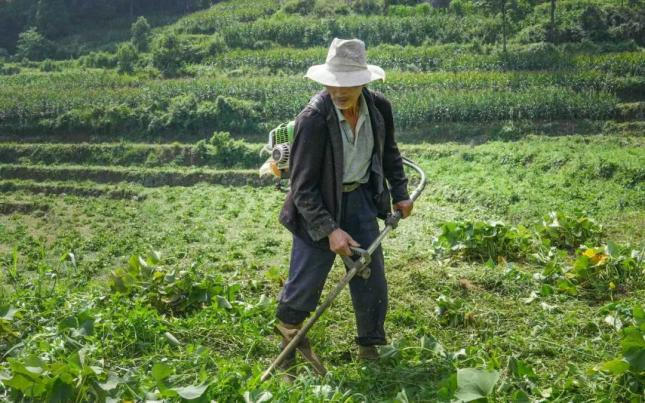
“the cost of work from seeding, planting, watering, etc. Is $100 a day, and the number of people on the ground is not less than 10 to 12 a day, 28 more a day. It's like the old man, she likes it, she's 73 years old, she picks 73 pounds, she gets 73 pounds, she gets 73. I went back home to help the villagers to work.” in the village of lupin town, the buddha's hand plankton planted yang。
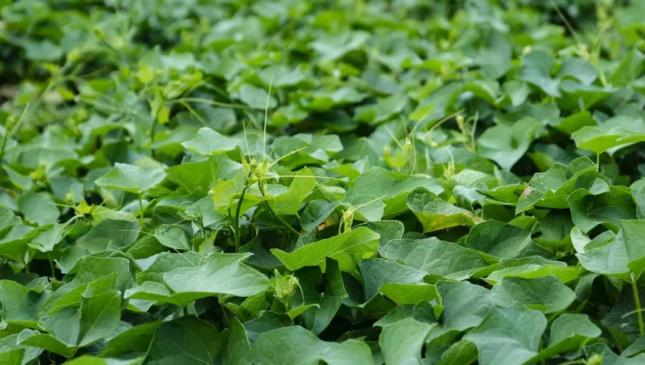
In november of last year, with the help of the village council, yang liang was able to transfer the land of 27 villagers for the planting of buddha guava at a price of $500 per acre. Unlike the usual falafé cultivation, the model here is “specially produced, not sold. The first year began in july with the advantage of “two days to pick, long harvest periods” and the second year began with annual identification, continuing until the end of november, when the acre production benefits were significant。
“this year we were the first to grow, and it was more satisfactory that the merchants drove to the base every day at 7 p. M. To collect the beak, and when they took it back, they packed it in the storeroom and sent it to the province in a refrigerated car. Most of them were sent to guangzhou, guangxi, hainan, chengdu, after i had understood them。
This year's first test of more than 160 acres was successful, not only in producing acres, but also in distributing more than 200,000 yuan to villagers through the “land flow + work employment” model, which has enabled groups such as the elderly and women, such as koo-jin, to “employment at home”. The base is expected to produce 400,000 pounds this year, with a value of more than 800,000 yuan。
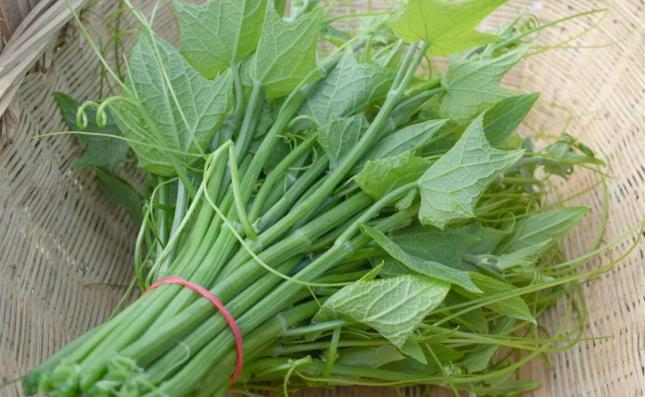
“in the next year, i intend to lead the villagers of our lower house to my seed, who are willing to grow, and who are unskilled, and who teach them to grow, and if they don't, we will give them the land to me to grow, to scale it up, to make it a specialty of our lower village.” yang xian said。
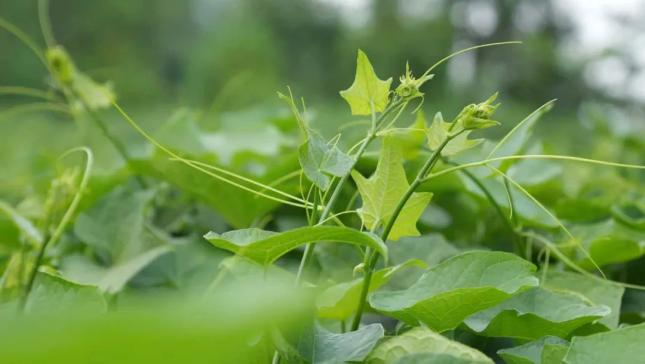
The village of loping town is predominantly mountainous, with traditional farming dominated. In order to make the buddha's melon industry work better, more dynamic and more distant, the village branch has taken the initiative to become a “servant”, moving from the flow of land to the development of the market, and guarding the growers throughout。
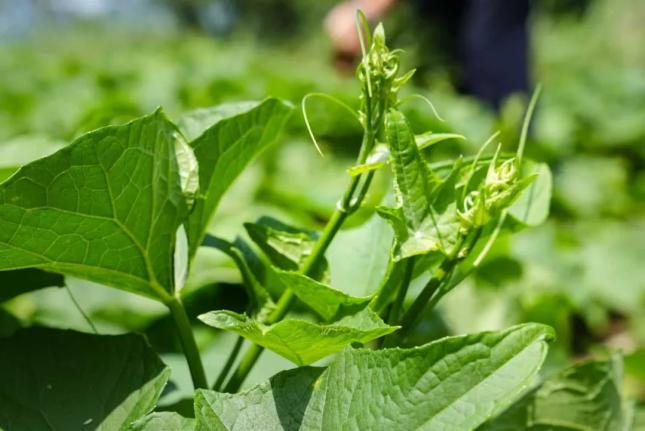
“the development of the buddha's melon farming industry in our village by large growers is an ideal development this year. They will be fully supported in the village, where we will work with the productive needs of large growers to properly address the issues involved, in terms of land flow and distribution channels. They will also be assisted in applying for project support to improve the production infrastructure, develop the buddha's handiwork industry and bring the villagers to work.” yang tianfook, secretary of the party's branch in the lower house of loping town, in the dyke area。
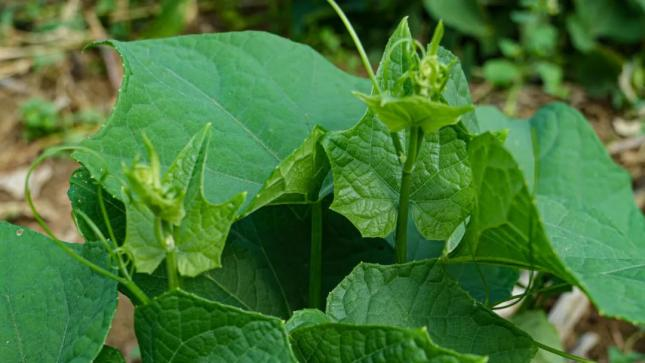
Today, the styling of the buddha's hand is a bright “new business card” in the lower village. As the scale of cultivation continues to grow and the infrastructure continues to improve, this niche industry is giving a dynamic impetus to rural renewal, so that the “beautiful” becomes a truly rich “gold leaf” for villagers。
Reporter zhang fai, wang dan dan, reporting