The original, the king's council, the medical paediatric channel
* the professional part of this paper is for medical professionals only to read
It's important to have blood urine
Two parents who had recently met who had requested tests for urine had said that the child's urine color was red and that after the results of the urine tests, there had been joy and sadness。
Parents in number one, holding half a bottle of rosy urine, say, "the child pees blood!" when parents get a regular urine test report, there are no anomalies。
I asked my parents, "did the child eat red fruit for two days? For example, flamingo... "the parents nodded。
Turns out it was the red flamingo, which contained beet erythrocyte, which was natural. It's not physical abnormality when you're done with your urine. Parents leave the clinic as they listen to it。
The parents of no. 2 watched the results of the urine tests reviewed: 10 red cells. The sad face says, "there's nothing wrong with the child, it's the red cells in the urine over and over again."
How much of the red cells in the urine are normal
What is the reason for the increase
The normal red cells in the urine of a child at random urinate at 0-occupancy/high mirror view (hpf) (no red cells are seen in the high mirror view or occasionally). If one or two can see an increase per high mirror view, three per thorium/hpf will pee under the mirror, >50 per hpf will pee under the eye。
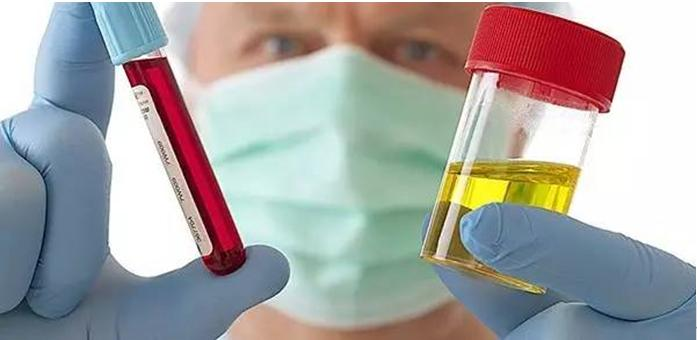
Rational blood urine in (cause):
1. Renal diseases such as various types of kidney pelvis, renal diarrhea, soluble urea syndrome, renal hysteria, shock kidneys, kidney nodules, kidney tumours, kidney stones, kidney trauma and kidney malformations。
2. Diseases of the urinary tract: e. G., urinary tremors, injuries, haemorrhagic bladderitis, etc。
3. Out-of-urinary diseases: e. G. Immunoplasis, hemophilia, cardiac incompetence, whole-body infections, allergies, systemic erythrocyte and severe motion。
The doctor usually analyzes the baby's blood urine in the following steps:
The blood urine check-ups include routine urine check-ups, urine red cell check-ups, blood check-ups, video-testing, kidney function check-ups, etc. The doctor will first identify whether it is true blood urine and see if it is red for oral use of certain foods or for medication, or if it is bleeding from a non-urinary tract。
Food: the most common ones are broccoli and beet。
Drugs: oral benzene sodium, lifoping, queening, etc。
Hemorrhage in the urinary tract: menstruation in female menstrual blood, haemorrhage, etc。
The second is to determine the source of blood urine, whether it originates from kidney balls or from non-renal balls。
Some laboratory and special examinations are then selected in conjunction with the medical history and the comprehensive medical examination。
Since blood urine is a complex problem with multiple causes, it is necessary to follow the dynamics of the diagnosis for long periods of time until the diagnosis is clearly established, when the diagnosis cannot be identified after the above-mentioned comprehensive analysis。
You've got a problem with blood urine
1. Kidney spherical blood urine:
(1) isolated blood urine (also referred to as pure blood urine): refers to persons who originate from kidney balls and have only blood urine without other clinical symptoms, kidney function or other detection abnormalities. Isolated blood urine is clinically found to be likely to last for a long period of time, with most of the children disappearing within three years of the onset of the disease, and a small number of them persist or repeat themselves, even for life。
(2) acute nephritis: is the most common kidney disease in childhood. The age is over 3-8 years. It is characterized by reduced blood urine, protein urine, oedema, hypertension and nephrocyte filtering. It can be caused by a variety of causes, mostly streptococcal infections. There was acute sepsis, red fever or sepsis 10 or 20 days before the outbreak。
(3) iga kidney disease: renal smallball disease characterized by a marked iga sinking in the renal small ball membrane area. Most of these cases are characterized by re-emergence of blood urine, in which red cells, in addition to severe renal spherical deformation, can also be non-renal spherical during their onset. The diagnosis depends on an immuno-fluorescent examination of the kidney test。
Non-renal plume blood-borne urine:
(1) high-prevalence urinary calcium: the red cell form in blood urine is non-renal small. The causes of the disease are currently unknown, with an increase in intestine absorption and poor absorption of calcium by kidney tubes. Blood urine is the most common symptom of the disease, usually under an asymptomatic lens, and can also be manifested in a sexual haemorrhage. It can be accompanied by frequent urination, urgent urination, incontinuation during the day, urination, repeated urinary tract infections, etc. Clinical screening for urine calcium/urinary acetic anhydride can begin. The diagnosis requires a 24-hour urine calcium test。
(2) the walnut trap phenomenon: also known as pressure syndrome of the left kidney vein. The red cells in their urine are non-renal plume. Is the pressure of the left renal vein that follows between the abdominal aorta and the upper artery of the intestinal membrane. In adolescence, growth is increasing, vertebrates are overstretched, the horns shrink, etc., and kidney bleeding occurs. This can be clearly diagnosed with b super, angiography and ct. There is generally no need for treatment, which is usually mitigated by the age of the child or by the symptoms of cycling。
3. Genetic kidney diseases:
(1) positive family blood urine: also known as bland substrate disease. Family history, pure blood urine for a virtuous process. The pathology mirror examination shows a thin base membrane of the kidney ball。
(2) alport syndrome: simple blood urine can be seen at an early stage, but it can be distinguished by family history, nervous high-frequency deafness, and reduction in sexual kidney function。
Are isolated children treated for blood and urine
Should we have kidney tests
It is generally assumed that most of these patients are expected to be well-pregnant and that the pathological changes are mostly non-specific and therefore do not require kidney puncture examinations but follow up regularly. The possibility of chronic kidney disease should be considered if blood urine continues to increase. When the procedure lasts for more than one year, the kidney puncture examination is carried out selectively. When proteomic urine is found in the course of the procedure, it is suggested that there may be some change in kidney pathology and that kidney puncture should be clearly diagnosed。
Summary:
Children are found to be in a situation of blood urine, which can be determined by taking into account their recent diet and medication and any recent abnormalities. However, if there are children with no symptoms of discomfort, parents are encouraged to go to the hospital for a check-up, especially if it is accompanied by symptoms such as urination and pain。