The role of the car clutch is of paramount importance and is reflected mainly in the following:
First, the clutch can smooth the car's start. The engine is separated from the transformer when the driver steps down the clutch pedal. Following the build-up, the gradual release of the pedal gradually increased the brakes on the engine and then stepped down to accelerate the pedal and smooth the car。
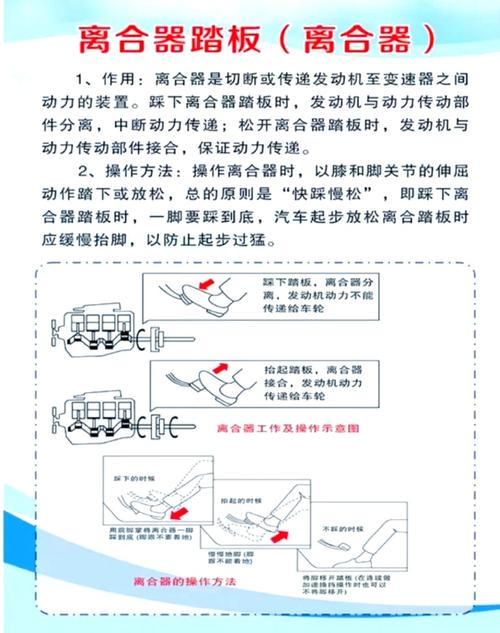
Second, the clutch is easy to switch. Prior to the changeover, the driver would have to step down the clutch pedal and interrupt the power transfer so that the original gear could be removed smoothly and the speed of the new gear coding would be synchronized, thus achieving a smooth switch。
Moreover, the clutch can temporarily cut off the connection between the engine and the transmission, reduce the impact of the switch and make the switch smoother。
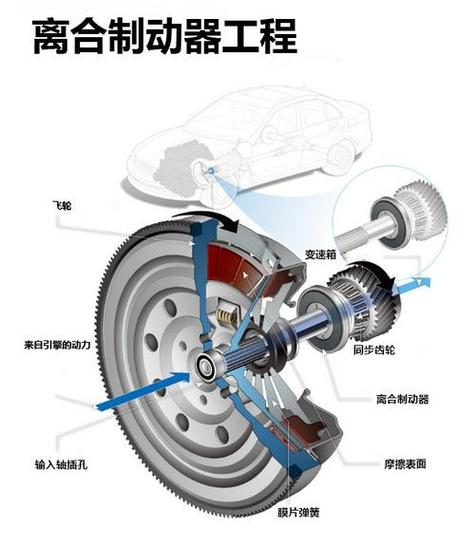
In addition, the clutch prevents overloading of the transmission system. When parked, a rigid connection between the engine and the moving system would result in a sharp reduction in the speed of the engine and create a large inertial rectangular, which could lead to overloading damage to the moving system. At this point, the clutch can function to secure the vehicle。
The clutch can also reduce the twisting shock from the engine and extend the life of the gearing gear, thereby increasing the stability and durability of the vehicle。
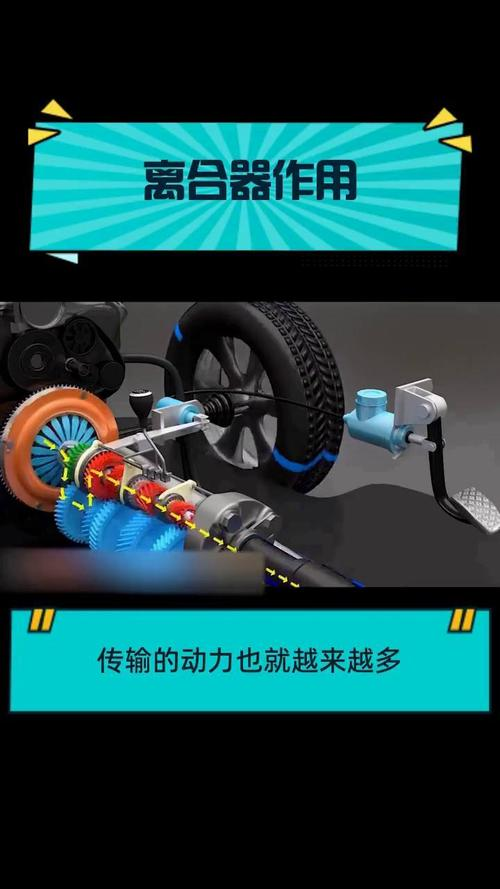
Finally, the clutch is capable of adjusting the force rectangular to ensure that the motor remains close to the optimal speed range, avoiding abrupt increase in the speed of rotation or a decrease in damage to the engine and other related components。
In summary, the clutch is an important component of the car power system, which is responsible for cutting off and connecting between power and engines. For the manual block model, the good or bad operation of the clutch directly reflects the high or low driving level and the good or bad protection of the vehicle。