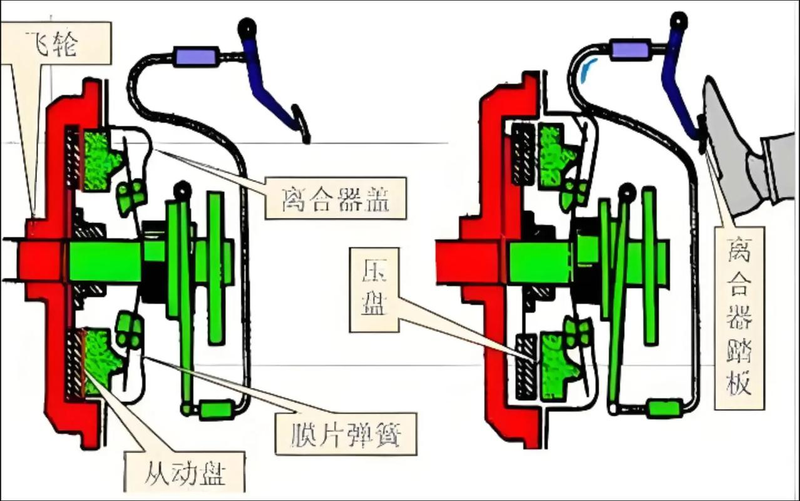
The role of the clutch is to connect or break the power transfer between the development motive and the driver, to ensure a smooth start for the vehicle, to achieve a smooth swing, to prevent the overloading of the transmission system and to protect the engine. At the start of a car, it increases the driving power gradually and avoids shaking; at the turn-off, the engine is temporarily separated from the gearbox to achieve a smooth switch; at the speed and brake, the power is cut to prevent overload; and at the special road, the power output is controlled to protect the engine and to guard the vehicle for good operation。
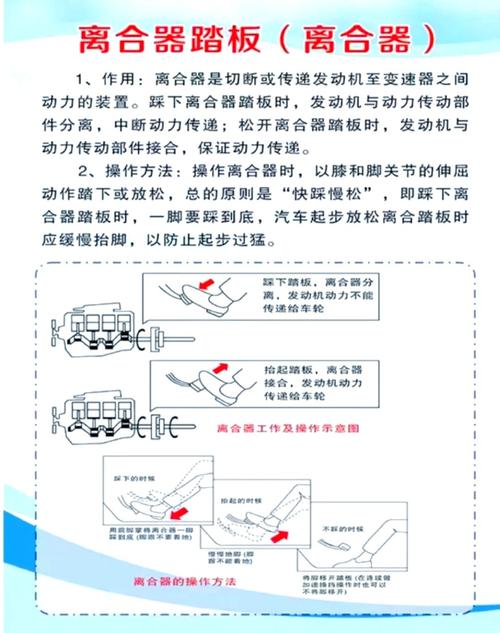
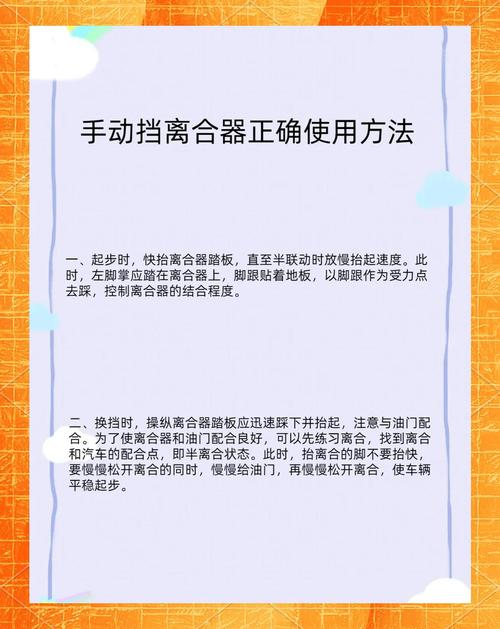
Specifically, the clutch plays a crucial role at this critical point in the start-up of a car. Imagine that, without the intervention of the clutch, engine power would be passed directly on to the driver's wheel, which, because of the wide variation in the speed of the engine and the wheel, would inevitably lead to a strong shaking of the vehicle and even to difficulties in moving forward. And the clutch, like a gentle guide, is so cleverly able to increase the driving power of the car, to keep the engine slowly synchronized with the speed of the wheel, to allow the vehicle to move smoothly and to give us a comfortable and smooth start to driving。
During the switch, the clutch was equally effective. When driving, we need to keep changing slots according to different road conditions and speed requirements. At this point, the clutch is like a switch between the engine and the gearbox, capable of temporarily cutting off the development motive from the gearbox during the breakout. This means that the power does not pass directly to the gearbox during the switch, thereby avoiding the frustration caused by the power transfer, making the switch smooth and smooth, increasing the comfort and safety of the driving and making the driving experience more fluid。
Let's look at the control system overloading. In the course of the car's journey, there are unforeseen conditions, such as rapid speed and brakes. When these events take place, the vehicle moving system is exposed to an immediate external force. Without the protection of the clutch, these powerful externalities are likely to cause serious overloading or even damage to the moving system. The clutches, on the other hand, stand up at a critical time, temporarily disconnecting the development motive from the gearbox, like a loyal guard, defusing the crisis for the transmission system, protecting the mechanical structure of the vehicle and extending its useful life。
As for the protection of engines, the clutch also has a unique function. In some special roads, such as rugged mountain roads or wet skis, vehicle demand for power becomes complex and variable. The clutch is sensitive to these needs and helps control engine power output. It avoids overloading of engines due to excess output power, and also prevents engine outages due to power output mismatches, thus ensuring that engines can operate steadily in complex situations。
In conclusion, although the clutch appears to be only one of the many parts of a car, its role cannot be underestimated. The smooth transition from the beginning to the smooth link at the end of the block, to the protection of the transmission system and the engine, which makes its own silent contribution at every stage of a car's journey, is an essential component in ensuring its proper functioning and driving experience。